

Introduction
Imagine carrying just one pair of glasses that instantly adapts to reading fine print, viewing your computer screen, or seeing distant road signs—all with a simple twist of a dial. For the millions of people juggling multiple pairs of prescription glasses or struggling with progressive lenses, this might sound too good to be true. Yet getoptiglasses.com has made this vision a reality with their innovative OptiGlasses technology.
Whether you’re dealing with presbyopia (age-related farsightedness), myopia (nearsightedness), or simply tired of switching between reading glasses and distance specs, adjustable focus glasses represent a breakthrough in eyewear convenience. This comprehensive guide explores how OptiGlasses work, who can benefit from them, and whether they’re the right solution for your vision needs.
You’ll learn about the combined lens technology that powers these glasses, the practical advantages and limitations, how to properly adjust them for optimal clarity, and what eye care professionals say about variable focus eyewear. We’ll also cover durability concerns, pricing considerations, and answer the most common questions about adjustable focus glasses technology.
Let’s dive into this optical innovation that’s changing how people think about corrective eyewear.
What Are Adjustable Focus Glasses? Understanding the Technology
Adjustable focus glasses, also known as variable focus eyewear or self-adjusting glasses, use innovative lens technology that allows wearers to manually change the optical power of their lenses. Unlike traditional fixed-prescription glasses or complex progressive lenses, adjustable focus glasses feature a mechanical system—typically a dial or slider—that physically alters the lens curvature or combines multiple lens elements to create different focusing powers.
The Science Behind Combined Lens Technology
The OptiGlasses from getoptiglasses.com utilize what’s known as combined lens technology or Alvarez lens principle. This system employs two precisely shaped lens elements that slide relative to each other. When you rotate the adjustment dial, these lens components shift position, changing the overall optical power of the lens system. This mechanism allows a single pair multifocal alternative glasses to provide a continuous range of vision correction.
According to research published by the Centre for Vision Research, adjustable eyewear technology can provide optical power ranges from -6 diopters (for moderate to severe myopia) to +3 diopters (for presbyopia and mild hyperopia), making them suitable for approximately 70% of people who require vision correction.
How OptiGlasses Differ from Traditional Eyewear
Traditional solutions for multiple vision needs include:
- Bifocals: Fixed zones for near and distance vision with a visible line
- Progressive lenses: Gradual transition zones that can cause peripheral distortion
- Multiple prescription pairs: Inconvenient and expensive
- Reading glasses: Only address near vision needs
OptiGlasses adjustable glasses offer a different approach: one continuously adjustable pair that eliminates the need for multiple prescriptions. The spin-to-adjust focus mechanism provides immediate control, letting you fine-tune your vision for any distance or task in real-time.
Who Developed This Technology?
While various organizations have researched adjustable optics—including Oxford University’s Centre for Vision in the Developing World and physics professor Joshua Silver’s pioneering work—commercial applications like those offered through getoptiglasses.com make this technology accessible to everyday consumers. The development builds on decades of optical physics research into variable focus systems.
How GetOptiGlasses.com OptiGlasses Work: The Spin Handle System
The defining feature of OptiGlasses adjustable glasses is their intuitive adjustment mechanism. Understanding how to use this system ensures you get optimal vision correction for every situation.
The Adjustment Range: Glasses -6 to +3
The OptiGlasses offered through getoptiglasses.com provide an impressive adjustment range covering glasses -6 to +3 diopters. This spectrum addresses:
- -6 to -1 diopters: Myopia (nearsightedness) ranging from moderate to mild
- 0 diopters: Neutral/no correction for those with plano prescription
- +1 to +3 diopters: Presbyopia and hyperopia (farsightedness)
This range makes them suitable for people with:
- Age-related reading difficulties (presbyopia typically starts around age 40-45)
- Mild to moderate nearsightedness
- Combined vision issues requiring both near and distance correction
- Temporary vision changes during medication use or pregnancy
How to Adjust OptiGlasses with the Spin Handle
Step-by-step adjustment process:
- Put on the glasses while looking at your target (book, screen, or distant object)
- Locate the adjustment dials on each temple arm near the hinge
- Rotate the dial slowly in small increments while viewing your target
- Adjust each eye independently for optimal binocular vision
- Fine-tune until the image is sharp and clear
- Note your settings for common tasks (reading, computer work, driving)
Pro tip: The adjustment mechanism includes subtle click stops or markings that help you return to preferred settings for different activities. Many users report memorizing their “reading setting” (typically +2.0 to +2.5) and “distance setting” (their baseline prescription) for quick switching.
Combined Lens Technology Explained Simply
The combined lens technology works like stacking two prescription lenses with opposing curves. As you rotate the dial, you’re essentially changing how much of each lens element contributes to the final optical power, creating a seamless adjustment across the entire diopter range.

Benefits of Adjustable Focus Glasses That Adjust from -6 to +3
The practical advantages of adjustable focus glasses that adjust from -6 to +3 extend far beyond simple convenience.
Convenience and Travel Benefits
Travel reading glasses top many people’s packing lists, but OptiGlasses eliminate the need for multiple pairs:
- Single pair versatility: No more choosing between reading glasses, computer glasses, and distance specs
- Lighter luggage: One case instead of three
- No switching frustration: Adjust on the fly as your activities change
- Reduced loss risk: Fewer pairs to misplace or forget
According to a 2024 survey by the American Optometric Association, the average presbyopic adult owns 3.2 pairs of prescription eyewear, costing $200-600 per pair. Consolidating to adjustable glasses offers significant cost savings over time.
Addressing Multiple Vision Conditions
The presbyopia solution offered by adjustable lenses is particularly valuable for the 120+ million Americans over age 40 experiencing age-related near vision loss. Additionally, these glasses serve people with:
- Myopia progression: Vision that changes gradually over time
- Astigmatism (mild cases; consult your optometrist for moderate to severe astigmatism)
- Post-surgical vision fluctuation: During healing periods after cataract or LASIK surgery
- Temporary prescription changes: During pregnancy or medication adjustments
Cost-Effectiveness Analysis
Financial comparison:
Multiple prescription glasses (3 pairs)
- Initial Cost: $600-1,800
- Replacement Cycle: Every 2 years
- 5-Year Total: $1,500-4,500
Progressive lenses
- Initial Cost: $400-800
- Replacement Cycle: Every 2 years
- 5-Year Total: $1,000-2,000
Adjustable focus glasses
- Initial Cost: $150-400
- Replacement Cycle: 3-5 years
- 5-Year Total: $150-800
Note: Costs vary by brand, lens options, and retailer. These are estimated averages.
Lifestyle Flexibility
Ergonomic eyewear design matters for all-day comfort. Adjustable glasses excel in situations where traditional eyewear falls short:
- Crafts and hobbies: Instantly adjust from detailed work to checking reference materials
- Professional settings: Seamlessly transition from presentations to reading documents
- Sports and outdoor activities: Adapt to changing light and distance conditions
- Screen time management: Fine-tune focus for computer work at arm’s length
The one pair for all vision philosophy aligns with minimalist lifestyles and reduces decision fatigue about which glasses to wear.
Limitations and When to Consult an Eye Care Professional
While adjustable reading glasses technology offers impressive versatility, it’s essential to understand their limitations and when professional eye care remains necessary.
Optical Quality Considerations
Adjustable mechanisms introduce additional lens elements that can affect:
- Optical clarity: May not match the precision of custom-ground single-vision lenses
- Peripheral vision: Some distortion possible at extreme adjustment ranges
- Color accuracy: Multiple lens interfaces can cause minor chromatic aberration
- Weight: Adjustment mechanisms add bulk compared to standard frames
Conditions Requiring Professional Prescription
Always consult an optometrist or ophthalmologist for:
- Moderate to severe astigmatism: Requires cylindrical correction not available in most adjustable glasses
- Prism correction needs: For binocular vision problems or eye alignment issues
- High prescriptions: Beyond the -6 to +3 range
- Pediatric vision: Children’s developing eyes need professional monitoring
- Eye diseases: Glaucoma, cataracts, macular degeneration, diabetic retinopathy
- Sudden vision changes: Could indicate serious medical conditions
The American Academy of Ophthalmology recommends comprehensive eye exams every 1-2 years for adults over 40, regardless of whether you use adjustable or traditional glasses. These exams detect not just vision changes but also systemic diseases like diabetes and hypertension that manifest in the eyes.
Not a Complete Replacement for All Users
Adjustable lenses technology works best for:
- Mild to moderate vision correction needs
- Presbyopia combined with mild myopia
- Temporary or backup eyewear
- Travel and convenience applications
They may not be ideal for:
- All-day wear in high-precision professions (surgeons, jewelers, fine artists)
- Driving at night (always verify with your eye care provider)
- Complex multi-focal prescriptions with significant astigmatism
Durability, Safety, and Lens Quality: Are They Built to Last?
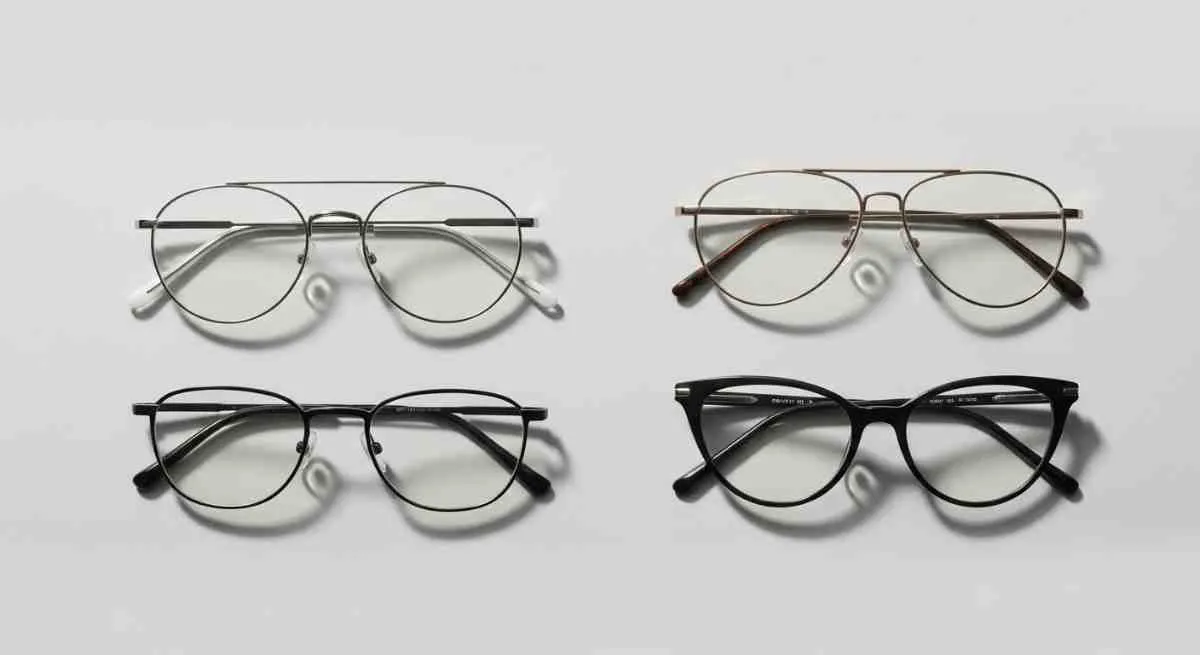
Consumer concerns about adjustable glasses often center on durability and safety. How do lightweight impact resistant adjustable reading glasses with case options compare to traditional eyewear?
Impact Resistance and Material Quality
Quality impact resistant lenses matter for everyday durability and safety. Reputable adjustable glasses, including those from getoptiglasses.com, typically feature:
- Polycarbonate or Trivex lenses: 10x more impact-resistant than standard plastic
- Scratch-resistant coatings: UV400 protection and anti-reflective treatments
- Flexible frame materials: Memory metal or TR90 polymer for durability
- Reinforced hinge mechanisms: Critical for longevity of adjustment system
According to testing standards established by ANSI Z87.1 (American National Standards Institute), impact-resistant eyewear must withstand a 1-inch steel ball dropped from 50 inches. Many adjustable glasses meet or exceed these standards, though always verify specific product certifications.
Mechanism Longevity
The adjustment mechanism represents the primary wear concern. Quality indicators include:
- Metal gearing: More durable than plastic mechanisms
- Sealed adjustment systems: Protect from dust and debris
- Smooth operation: Should rotate easily without binding
- Stable settings: Lenses shouldn’t shift during normal wear
User reviews and warranty terms provide insight into real-world durability. Look for manufacturers offering at least 1-year warranties on adjustment mechanisms and 30-day satisfaction guarantees.
Maintenance and Care
Proper care extends the life of adjustable glasses:
- Clean lenses with microfiber cloths and lens cleaner only
- Store in protective case when not in use
- Avoid extreme temperatures (car dashboards, saunas)
- Periodically lubricate adjustment mechanism if manufacturer recommends
Best Adjustable Reading Glasses for Presbyopia and Myopia: GetOptiGlasses Review
When searching for the best adjustable reading glasses for presbyopia and myopia, getoptiglasses.com offers several advantages that distinguish their OptiGlasses line from competitors.
Product Features and Specifications
Key OptiGlasses features:
- Adjustment range: -6.00 to +3.00 diopters in 0.25-step increments
- Lens material: Impact-resistant polycarbonate with UV400 protection
- Frame options: Multiple styles including full-rim, semi-rimless, and sport designs
- Weight: 23-28 grams depending on style (comparable to standard reading glasses)
- Included accessories: Protective hard case, microfiber cleaning cloth, adjustment guide
- Available coatings: Anti-reflective, blue light filtering, photochromic (transitions)
User Experience and Adjustability
The spin-to-adjust focus mechanism on OptiGlasses features:
- Individual eye adjustment: Each temple has independent controls for custom fit
- Graduated dial markings: Clear indicators for diopter settings
- Positive click feedback: Tactile confirmation of adjustment increments
- Locking option: Some models include settings lock to prevent accidental shifts
Customer feedback consistently highlights the intuitive design, though there’s a learning curve for first-time users. Most report achieving proficiency within 2-3 days of regular use.
Pricing and Value Proposition
getoptiglasses.com pricing structure (as of 2025):
- Basic models: $89-149 (standard frames, polycarbonate lenses)
- Premium models: $179-249 (designer frames, anti-reflective coating, case)
- Professional series: $299-399 (titanium frames, premium coatings, extended warranty)
Compare this to traditional eyewear solutions:
- Single-vision prescription glasses: $100-300
- Progressive lenses: $300-800
- Multiple pairs for different distances: $300-1,200+
The variable focus eyewear approach offers compelling value for people requiring multiple prescriptions, potentially recouping costs within the first year.
Real-World Case Study: Traveler Replaces Multiple Glasses
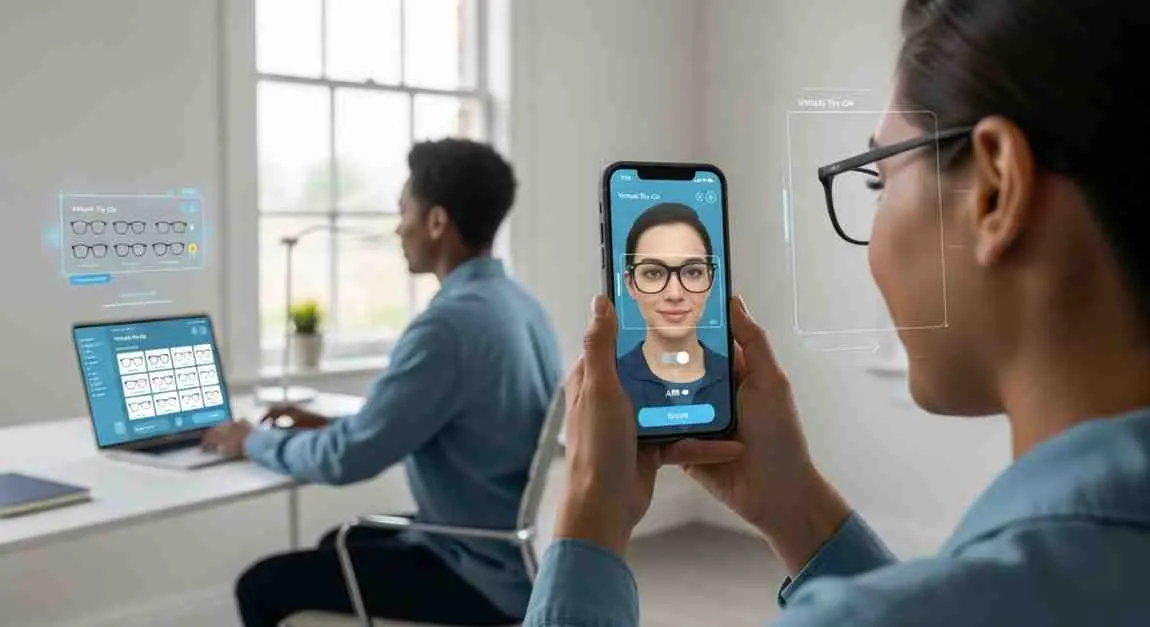
Case example (composite based on typical user experiences):
Michael Chen, a 52-year-old international business consultant, previously traveled with three pairs of glasses: distance glasses for presentations and navigation, computer glasses for work, and reading glasses for contracts and menus. The constant switching caused frustration and he’d twice lost a pair during trips.
After discovering adjustable reading glasses through getoptiglasses.com, Michael purchased a pair of OptiGlasses with -2.50 for distance and adjustable up to +2.00 for reading. During a two-week European business trip, he reported:
- Convenience: “I adjusted from reading my boarding pass to seeing gate numbers with a quick dial turn”
- Weight savings: Eliminated two extra cases from his carry-on
- Cost: “These paid for themselves when I didn’t lose an expensive prescription pair”
- Adaptation: “Took two days to build muscle memory for my common settings”
Michael notes he still uses traditional progressives for all-day office work where he doesn’t want to manually adjust, but considers his OptiGlasses essential for travel.
Important note: This represents a typical use case but isn’t a medical endorsement. Individual results vary; consult your eye care professional before switching eyewear.
Pros and Cons of OptiGlasses Adjustable Focus Technology
Advantages of Adjustable Focus Glasses
Pros:
- Versatility: One pair handles multiple vision distances
- Cost savings: Potentially replaces 2-3 prescription pairs
- Travel convenience: Lighter packing, one case needed
- Instant adjustment: No need to switch glasses for different tasks
- Prescription flexibility: Accommodates minor vision changes without new glasses
- Learning opportunity: Understand your vision needs better through self-adjustment
- Backup solution: Excellent emergency glasses if primary pair breaks
- Gift-friendly: Works for recipients without knowing exact prescription
Disadvantages and Considerations
Cons:
- Adjustment effort: Requires manual dial turning vs. automatic progressive zones
- Optical compromises: May not match custom single-vision lens clarity
- Weight: Adjustment mechanisms add bulk to frames
- Aesthetic: Some find adjustment dials less attractive than standard frames
- Limited astigmatism correction: Not suitable for significant cylindrical prescriptions
- Learning curve: 2-7 days to develop adjustment proficiency
- Durability questions: Mechanical parts may wear faster than fixed lenses
- Professional activities: May not meet requirements for precision work
Frequently Asked Questions
How do adjustable focus glasses work?
Adjustable focus glasses use combined lens technology with two optical elements that shift position relative to each other. When you rotate the adjustment dial on the temple, these lens components move, changing the overall optical power. This mechanism allows continuous variation across a range of diopters (typically -6 to +3 in quality models like OptiGlasses).
The principle, based on Alvarez lens optics, creates different focal lengths by altering the lens curvature through mechanical positioning. This gives you manual control over focus distance, similar to adjusting binoculars or a camera lens, but for correcting your vision.
Can one pair of glasses replace reading and distance glasses?
Yes, for many people. One pair for all vision needs works well if your prescription falls within the adjustment range (typically -6 to +3 diopters) and you don’t have significant astigmatism. Adjustable glasses excel at replacing separate reading glasses and mild distance correction. However, they may not completely replace progressives for all-day wear or specialized prescriptions involving prism corrections or high astigmatism.
They work best as versatile everyday glasses or travel companions. The American Optometric Association notes that approximately 60-70% of people over 40 can effectively use adjustable glasses as their primary eyewear, though professional eye exams remain essential for determining suitability.
How do I adjust glasses from -6 to +3?
To adjust OptiGlasses across their -6 to +3 range: First, put on the glasses while looking at your intended target—distant if you need distance correction, near if reading. Second, locate the adjustment dial on each temple near the hinge. Third, slowly rotate the dial while viewing your target; most models turn clockwise for plus (reading/near) power and counterclockwise for minus (distance) power.
Fourth, adjust each eye independently for optimal binocular vision—your eyes may have different prescriptions. Fifth, fine-tune until text or objects appear sharp. Sixth, note your preferred settings for common activities. The adjustment typically takes 5-10 seconds once you’re familiar with your settings. Many users mark their most-used positions with a small sticker or memorize the dial position.
Are adjustable lenses durable and impact resistant?
Quality adjustable lenses from reputable manufacturers like getoptiglasses.com feature impact resistant lenses made from polycarbonate or Trivex materials, which are 10 times more impact-resistant than standard plastic. These materials meet ANSI Z87.1 safety standards for basic impact protection. The lenses themselves are durable, but the adjustment mechanism represents an additional component that requires care.
Look for models with metal gearing rather than plastic, sealed mechanisms to prevent dust infiltration, and manufacturer warranties of at least one year on the adjustment system. Proper maintenance—storing in a case, avoiding extreme temperatures, and gentle handling—extends lifespan. Most users report 2-4 years of daily use before mechanisms show wear.
What is combined lens technology?
Combined lens technology refers to optical systems using two or more lens elements working together to create variable focal power. In adjustable glasses, this typically involves two specially shaped lens components that slide or rotate relative to each other. As their relative position changes, so does the combined optical power of the system.
This is based on the Alvarez lens principle, named after physicist Luis Alvarez, where two cubic-profile lenses create continuously variable power when shifted laterally. Unlike progressive lenses that have fixed zones, combined lens systems offer smooth adjustment across the entire power range. This technology has applications in everything from microscopes to telescopes, and now consumer eyewear.
Do OptiGlasses come with a storage case?
Yes, most OptiGlasses packages from getoptiglasses.com include a protective storage case, typically a hard-shell case to protect both the lenses and the adjustment mechanism during transport. Packages also generally include a microfiber cleaning cloth and an adjustment guide with recommended settings for common activities. Some premium models come with additional accessories like lens cleaning spray, secondary soft pouches, or blue light filter clips.
Always verify specific package contents on the product page before purchasing, as bundle options vary by model and promotional periods. The included case is important for protecting the adjustment dials from damage—these mechanisms are more delicate than standard frame hinges.
What is the return policy for OptiGlasses?
While specific policies vary by retailer, getoptiglasses.com typically offers a 30-day satisfaction guarantee allowing returns for full refund (minus shipping) if the glasses don’t meet your needs. Some retailers extend this to 60 or 90 days. Before returning, ensure you’ve: tried the glasses for at least one week to complete the adjustment learning curve, verified your prescription is within the supported range, consulted the troubleshooting guide for common issues, and kept all original packaging and accessories.
Extended warranties covering the adjustment mechanism for 1-2 years are often available for purchase. Always review the specific return terms on the retailer’s website, as policies differ between authorized dealers. Keep your purchase receipt and order confirmation for warranty claims.