

In recent years, health and wellness have gone far beyond basic diet and exercise. People now want smarter, more personalized ways to feel better, think clearer, and perform at their best. This growing interest has brought a new concept into the spotlight: Biohacking for beginners.
Biohacking may sound complex or futuristic, but at its core, it’s about understanding your body and making small, intentional changes to improve how it functions. In 2026, biohacking is no longer limited to tech enthusiasts or elite athletes. Everyday people are using simple biohacks to improve sleep, energy, focus, and overall health.
This guide breaks everything down in clear, practical terms. If you’re curious but unsure where to start, this article on Biohacking for beginners is designed just for you.
What Is Biohacking?
Biohacking is the practice of using science, data, and lifestyle changes to optimize your body and mind. Instead of following one-size-fits-all health advice, biohackers experiment to find what works best for them personally.
For Biohacking for beginners, it’s important to understand that this doesn’t mean extreme experiments or expensive technology. Many biohacks are simple habits backed by research, such as improving sleep routines, adjusting nutrition, or managing stress more effectively.
The goal is better performance, improved health, and long term well being not perfection.
Why Biohacking Is Popular in 2026
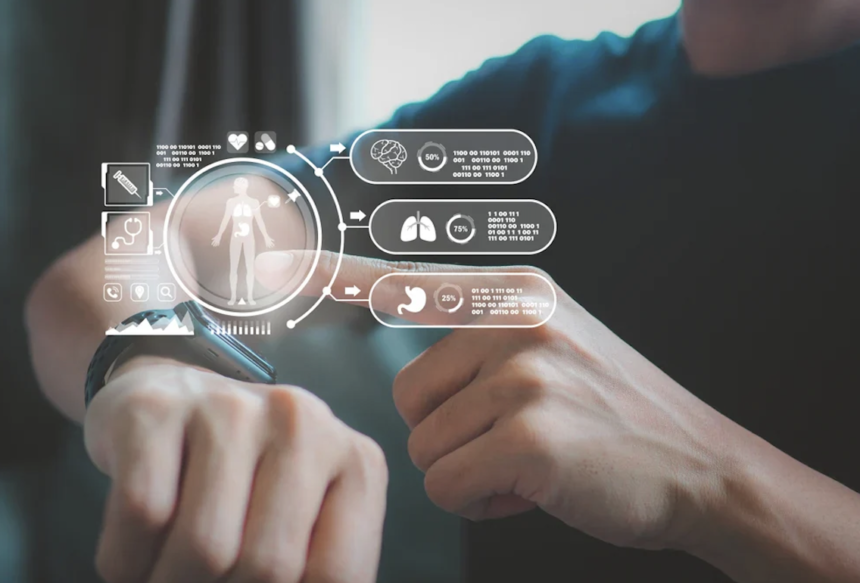
The popularity of Biohacking for beginners has grown rapidly due to several key factors. First, people now have access to more health data than ever. Smartwatches, fitness trackers, and health apps provide real-time insights into sleep, heart rate, and activity levels.
Second, modern life has increased stress, screen time, and sedentary behavior. Biohacking offers practical ways to counter these issues without drastic lifestyle changes.
Finally, scientific research is more accessible. People are better informed and want proactive control over their health rather than reacting to problems later.
In 2026, biohacking is about prevention, efficiency, and living well for longer.
The Core Principles of Biohacking for Beginners
Before jumping into techniques, it’s important to understand the basic principles behind Biohacking for beginners.
One key idea is self-awareness. You observe how your body responds to food, sleep, exercise, and stress. Another principle is experimentation. You try small changes, track results, and adjust based on outcomes.
Consistency matters more than intensity. Small habits practiced daily deliver better results than occasional extreme efforts.
Most importantly, beginner biohacking prioritizes safety and sustainability.
Sleep Optimization: The Foundation of Biohacking
Sleep is often the first focus in Biohacking for beginners, and for good reason. Quality sleep affects energy, mood, memory, immunity, and metabolism.
Better sleep doesn’t require gadgets right away small lifestyle changes can have a big impact. Maintaining a consistent sleep and wake schedule helps regulate your body clock, while limiting screen time before bed supports natural melatonin production.
Creating a dark, cool, and quiet sleep environment also improves sleep quality. Even minor adjustments, like blackout curtains or consistent bedtime routines, can lead to noticeable improvements.
For beginners, better sleep alone can feel like a complete health upgrade.
Nutrition Biohacks That Actually Work
Nutrition is a major pillar of Biohacking for beginners, but it doesn’t mean following extreme diets. Instead, it focuses on mindful eating and understanding how food affects your energy and focus.
One simple approach is eating whole, minimally processed foods. These provide stable energy and reduce inflammation. Paying attention to meal timing also matters. Many beginners notice improved focus by avoiding heavy meals during work hours.
Hydration is another overlooked biohack. Even mild dehydration can reduce cognitive performance. Drinking enough water throughout the day supports digestion, circulation, and mental clarity.
Tracking how different foods make you feel helps personalize your nutrition strategy.
Movement and Exercise Biohacks
Short, consistent workouts often outperform long, irregular sessions. Walking daily improves cardiovascular health and mental clarity. Strength training a few times a week supports muscle, bone density, and metabolism.
Even posture and stretching count as biohacks. Sitting for long periods impacts circulation and energy levels. Simple mobility routines during breaks can significantly improve how your body feels throughout the day.
The key is movement that fits your lifestyle and feels sustainable.
Mental Performance and Focus Optimization
One of the most appealing aspects of Biohacking for beginners is improving mental performance. In a world full of distractions, focus has become a valuable skill.
Mindfulness practices, such as short meditation sessions, help reduce stress and improve attention. Breathing exercises can calm the nervous system within minutes.
Another effective biohack is managing information overload. Limiting notifications and scheduling focused work sessions improves productivity without increasing work hours.
Mental biohacking isn’t about forcing productivity—it’s about creating conditions where focus comes naturally.
Stress Management: A Key Biohacking Strategy
Chronic stress undermines almost every health goal. That’s why stress management is central to Biohacking for beginners.
Understanding your stress triggers is the first step. Work pressure, lack of sleep, and poor nutrition often combine to create burnout.
Simple stress-reduction techniques include spending time outdoors, maintaining social connections, and practicing gratitude. Even short breaks during the day help reset your nervous system.
Biohacking doesn’t eliminate stress, but it helps you recover faster and respond more effectively.
Technology and Tools for Beginner Biohackers
While not required, technology can support Biohacking for beginners when used wisely. Wearable devices provide insights into sleep patterns, activity levels, and recovery.
Apps that track habits, nutrition, or meditation can increase awareness and consistency. However, beginners should avoid becoming obsessed with data.
The goal is insight, not anxiety. Technology should guide decisions, not control them.
Common Mistakes Beginners Should Avoid
Many people new to Biohacking for beginners try to do too much too fast. This often leads to frustration or burnout.
Ignoring professional advice is also risky. Biohacking should complement, not replace, medical guidance especially for existing health conditions.
Starting slow and staying curious leads to better long-term results.
How to Start Your Biohacking Journey Safely
The best way to begin Biohacking for beginners is by focusing on one area at a time. Start with sleep, nutrition, or movement whichever feels easiest.
Track how you feel before and after making changes. Energy levels, mood, focus, and sleep quality are valuable indicators.
Learning from credible sources is important. A well-structured beginner’s guide to biohacking can help you avoid confusion and misinformation. You can explore practical insights and modern health trends through this beginner’s guide to biohacking, which offers beginner-friendly explanations and strategies.
Progress comes from consistency, not perfection.
Is Biohacking Right for Everyone?
Biohacking for beginners is adaptable, which makes it suitable for most people. However, it requires patience and self-awareness.
If you enjoy experimenting, tracking progress, and learning about your body, biohacking can be empowering. If you prefer rigid rules or instant results, it may feel frustrating.
The beauty of biohacking is choice. You decide what to try, what to keep, and what to discard.
Final Thoughts on Biohacking for Beginners
In 2026, health optimization is no longer about extremes. Biohacking for beginners offers a practical, science-informed approach to feeling better and performing at your best.
You don’t need expensive tools, advanced knowledge, or radical lifestyle changes. Small, intentional adjustments applied consistently can transform how you feel physically and mentally.
Biohacking is not about chasing perfection. It’s about building a healthier, more resilient version of yourself, one smart habit at a time.