

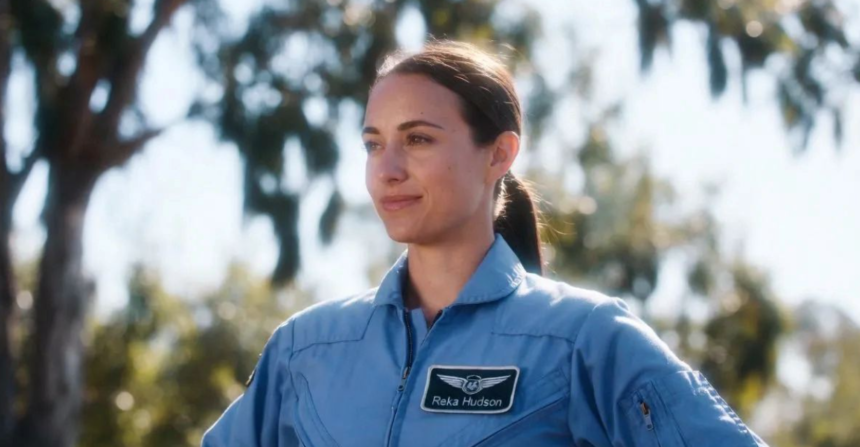
Curious about Reka Hudson, the female pilot quietly mentoring girls to chase flying dreams? Her gentle journey shows real challenges women face in aviation plus simple, heartfelt steps if you’re thinking of becoming a pilot yourself.
The post tells us Reka Hudson grew up in a small town, always tilting her head back whenever a plane crossed overhead. That little childhood habit of looking up never left her. Reka Hudson followed it she took lessons, logged hour after hour in the air, passed every test, and eventually flew professionally.
What really stayed with me, though, is what she did after she got there. Reka Hudson started running workshops just for girls. Small, safe gatherings where they could sit in a circle, ask anything without feeling silly, touch a real airplane, try a flight simulator, and hear honest stories about what it’s like to be a woman in the cockpit. She even worked with schools to bring simple aviation activities into classrooms so kids could dream about flying without anyone making them feel out of place.
We don’t have stacks of interviews or news clips about Reka Hudson. No long list of airlines she’s flown for or big awards. It’s more like a soft, warm snapshot than a full biography. And honestly, that’s what makes it feel so true. It captures the quiet reality many women pilots live every day: the spark that starts it all, the extra courage it takes to keep going, and the gentle choice to turn around and help the next girl have a smoother climb.
A Few Things Worth Holding Close
- Reka Hudson’s example shows how one woman’s steady determination can quietly light paths for so many girls.
- Women still account for only about 6% of pilots worldwide, but more girls and women are enrolling in flight schools today than at any time before.
- High costs, occasional doubts from others, and demanding schedules are still very real hurdles.
- Mentorship circles, scholarships, and special days for kids are slowly shifting things.
- If flying tugs at your heart even a little, one small step today can start something wonderful.
How Reka Hudson’s Dream Found Its Wings
Imagine you’re fourteen, sitting on your family’s flat roof in a quiet town, watching planes draw clean white lines across the sky while everything below feels small and ordinary. Every engine hum feels like a secret invitation to something bigger. That’s where the blog says Reka Hudson’s story began. She didn’t just watch she started asking questions, borrowing books, saving every bit of pocket money, and eventually took her first lesson.
After years of hard work long flights in bumpy weather, tough checkrides, late-night studying — Reka Hudson earned her wings. But she didn’t stop there. Picture a bright Saturday morning in a small hangar or classroom. Twelve girls, ages twelve to seventeen, some shy, some bursting with questions, gathered around Reka Hudson.
She’s in a worn flight jacket, holding a little model plane, gently showing them how the ailerons move. She tells them about her first solo flight how her hands shook on the yoke but she smiled the whole way down. They giggle when she admits she once forgot to put the gear down during a practice approach. Then they all step outside.
They run their fingers along the smooth wing of a real Cessna, climb into the simulator one by one, take turns “flying” a short pattern. For a few minutes, each girl feels the controls in her hands. When one of them lands it smoothly, everyone cheers. Those moments sink deep; they stay with a girl long after the day ends.
Getting to that point wasn’t always easy for Reka Hudson. Like so many women who fly, she probably faced at least one moment when someone raised an eyebrow or asked if she was really sure about this path. She turned those moments into quiet fuel and decided the girls she mentors should hear encouragement instead of doubt.
That kind of heart leads us straight into the challenges that still make flying feel out of reach for many women.
The Parts That Still Make It Hard
Let’s be real it’s not all smooth takeoffs.
You’re counting down the days to your next lesson, you’ve saved every bit you could to pay for it, and then someone tosses out a casual “Women don’t usually do this, do they?” It might come with a smile, but it lands like a stone when you’re already nervous about nailing your crosswind landings or passing the next oral exam.
Money is the toughest wall. A private pilot license often costs $12,000–$18,000 or more, depending on how many hours you need and where you train. Going commercial and building the 1,500 hours most airlines require? That number grows fast. Without scholarships or family support, many people who would be incredible pilots have to step back early.
Then there’s the life part. Early mornings, overnight trips, missing family weddings or birthdays. Women often get extra questions “What about kids?” “How will you balance everything?” that don’t land the same way on men. Those questions add weight that’s already heavy.
These aren’t small obstacles. They’re why the cockpit still doesn’t look like half the world. But here’s where the hope lives people are working hard to change it.
The Good Things Starting to Happen
The encouraging part is that change is really underway.
Women hold about 6% of commercial pilot jobs worldwide right now. That number hasn’t skyrocketed, but look at the beginning: more female student pilots, more women earning their first certificates, especially in recent years.
Programs are helping drive this. Airlines signed on to goals like IATA’s 25by2025, promising to bring more women into flying and leadership roles. It’s starting to show more women hired, more advancing to captain seats, flight schools with classes that look more balanced.
Women in Aviation International hosts Girls in Aviation Day events, where girls meet real pilots, explore cockpits, build simple models, ask endless questions, and leave believing, “I can do this.” Scholarships from their organization and the Ninety-Nines help remove financial barriers that might otherwise end those dreams. Flight schools are stepping up as well, working to create welcoming environments for women from day one. The journey isn’t complete, but the progress feels genuine and encouraging.
Stories That Feel Close to Reka Hudson’s Heart
Reka Hudson’s focus on mentoring feels so much like what strong organizations do every day. Women in Aviation International pairs experienced pilots with beginners, hands out scholarships, and builds spaces where questions are welcomed just like the workshops Reka Hudson runs.
History gives us beautiful examples too. Bessie Coleman in the 1920s wanted to fly so badly she had to train in France no one in the US would teach a Black woman. When she came home, she flew daring airshows, wowing crowds and showing the sky was for everyone.
Then there was the Miracle on the Hudson in 2009. Captain Chesley “Sully” Sullenberger lost both engines to bird strikes just after takeoff and safely landed the aircraft on the river, saving all 155 people on board. It wasn’t about gender it was about composure, preparation, and skill the same qualities women pilots, including advocates like Reka Hudson, bring to every flight.
These stories remind us that persistence plus support creates real change.
Simple Steps If Flying Is Whispering to You
If Reka Hudson’s story has you thinking “maybe I could try this,” here’s how to start without feeling overwhelmed.
Try It Gently First
Book a discovery flight. It’s usually $100–$200, lasts about an hour, and you get to fly the plane yourself for part of it. It’s the best way to know if your heart says yes. Then get your student medical certificate a regular check-up with an aviation doctor.
Build Your Circle
Hacks for the Hard Moments
- Money worries: Apply to multiple scholarships early — some cover ground school, others help with flight time. Work at an airport (even small jobs) to earn while learning.
- Feeling like you don’t belong: Visit a few schools first. Choose one where you see other women. Bring a friend to your first lesson.
- Life keeps getting in the way: Start with flexible part 61 training. Later, regional routes often mean shorter trips home.
Quick starter plan:
- Book a discovery flight this week.
- Get your medical done.
- Begin ground school (lots of affordable online options).
- Fly your first solo and celebrate.
- Track progress in a notebook.
One smart move: Community college aviation programs often cost less and give credits toward a degree.
Where Women in Aviation Are Heading
More girls getting early chances to try flying, more scholarships opening, companies feeling pressure to diversify it’s building. Soon we’ll see more women captains, more balanced crews, and kids growing up thinking “of course girls fly planes.”
Stories like Reka Hudson’s keep the flame alive. One woman choosing to mentor can start a ripple that touches many lives. Reka Hudson is one example, but she’s part of something much larger.
If this is stirring something in you, take one small step tonight. Search for a flight school, browse scholarships, or just watch a video of a female pilot sharing her first solo. The sky feels far until you start walking toward it then it starts feeling like it was waiting for you.
What part of flying excites you most? Or what’s still making you hesitate? I’d love to hear — sometimes saying it out loud makes everything clearer.
Frequently Asked Questions (FAQs)
Who is Reka Hudson?
Reka Hudson is described in a 2026 blog as a female pilot who turned her childhood love of planes into a career and now runs workshops and school programs to mentor girls interested in aviation. Detailed public information about her specific jobs is limited.
What percentage of pilots are women?
About 6% worldwide and in many countries for commercial pilots. The encouraging trend is faster growth in women starting training and earning certificates.
What barriers do women face in aviation?
High training costs, occasional doubting comments or bias, and irregular schedules that can clash with family life. Support programs and scholarships are helping reduce these.
How can I become a female pilot?
Start with a low-cost discovery flight, get your student medical, begin lessons toward a private license, and pursue women-focused scholarships to ease costs.
Are there initiatives to support women in aviation?