

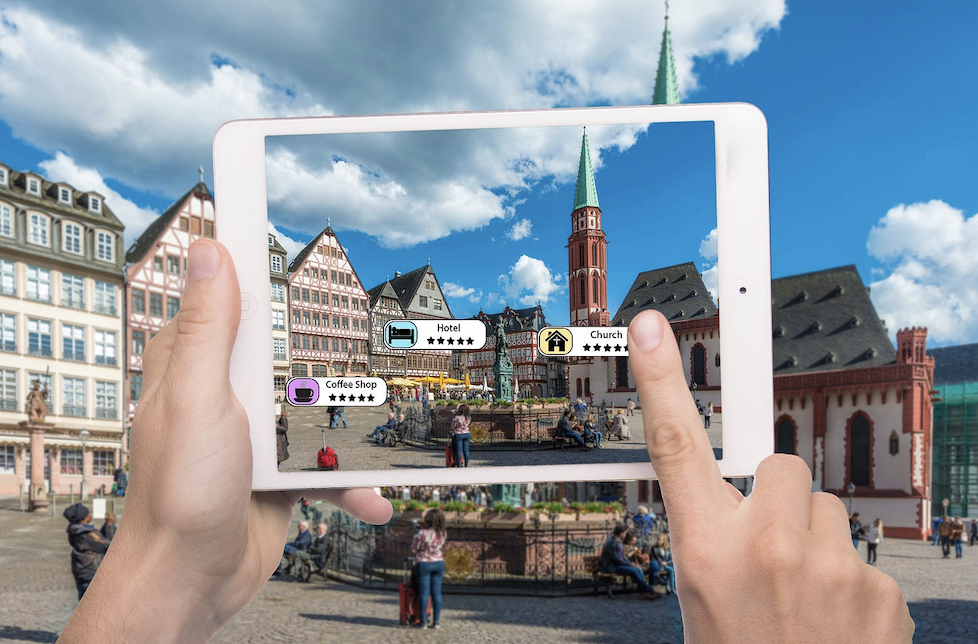
Exploring Historic Sites Through a Digital Lens
Travel has entered a fascinating new era where history meets technology. Gone are the days when visiting ancient ruins meant relying solely on guidebooks and plaques. Today, augmented reality is transforming how we experience famous landmarks across Europe and Asia. This technology layers digital information over real world views, bringing stories and history to life in ways that were unimaginable just a few years ago.
Tourists can now point their smartphones at centuries-old structures and watch them reconstruct before their eyes. What appears as rubble transforms into magnificent palaces. Silent statues begin sharing their stories. This isn’t science fiction anymore. It’s the present reality of modern sightseeing.
European Landmarks Embracing AR Technology
The Colosseum in Rome
The Roman Colosseum now offers visitors an extraordinary AR experience that recreates gladiatorial battles. Using specialized apps, tourists can see the arena as it appeared during its glory days. The missing floors reappear. The crowd fills the stands. Gladiators enter the arena. This immersive experience helps visitors understand the true scale and grandeur of ancient Roman entertainment.
The technology reveals hidden passages and mechanisms that operated beneath the arena floor. Visitors discover how wild animals were raised into the arena and how complex stage effects surprised ancient audiences.
Acropolis Museum in Athens
Greece has implemented AR glasses at the Acropolis Museum that restore the Parthenon Marbles to their original painted glory. Ancient Greek sculptures weren’t the plain white marble we see today. They were vibrant, colorful works of art. The augmented reality experience shows these colors and helps visitors understand ancient Greek aesthetics in their true context.
Walking through the museum becomes a journey through time. Each statue tells its story through digital narration that activates as you approach.
Stonehenge in England
English Heritage introduced an AR application that reveals how Stonehenge likely appeared during different historical periods. Visitors can see the complete stone circle, understand astronomical alignments, and witness seasonal ceremonies that ancient peoples might have conducted.
The app provides multiple timeline options. Users choose which era they want to explore, from construction phases to ritual usage.
Asian Destinations Leading AR Innovation
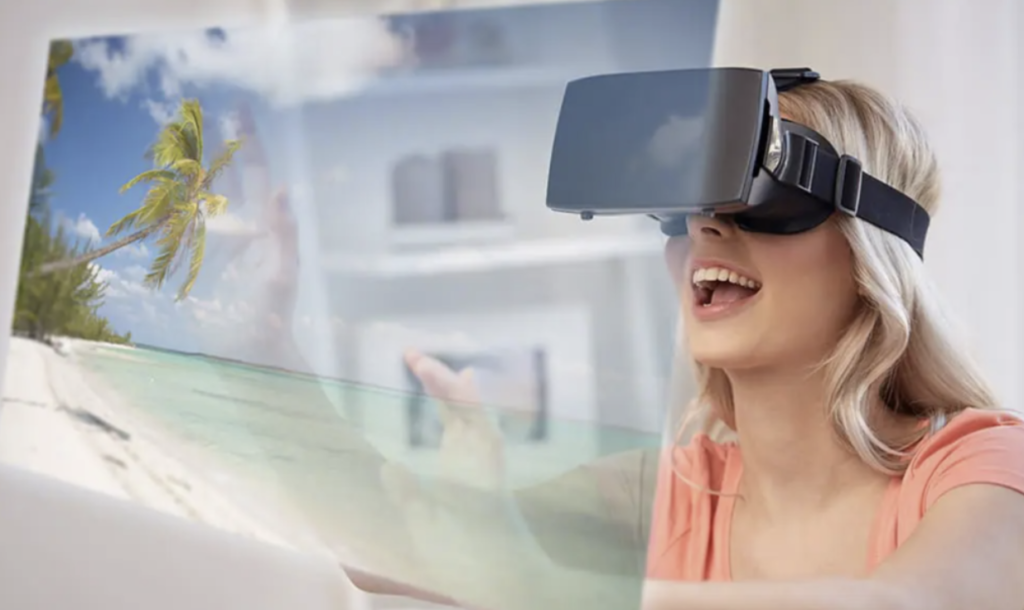
The Forbidden City in Beijing
China’s Forbidden City has partnered with technology companies to create comprehensive AR tours. Visitors download apps that transform empty courtyards into bustling scenes of imperial life. Digital emperors walk through halls. Court officials conduct ceremonies. Daily life from centuries past unfolds before modern eyes.
The experience includes interactive elements. Tourists can virtually try on royal garments or participate in ancient rituals through their devices.
Angkor Wat in Cambodia
The temples of Angkor have received thoughtful AR enhancements that respect the spiritual significance of these sites. The technology helps reconstruct damaged portions of temples without physical intervention. Visitors see detailed carvings that erosion has worn away and understand the original layout of temple complexes.
Conservation efforts benefit from this technology too. Digital reconstructions help researchers plan restoration work and document the current state of ancient structures.
Tokyo’s Historical Districts
Japanese developers created AR walking tours through Tokyo’s older neighborhoods. These experiences overlay historical photographs and scenes onto modern streets. Visitors standing in contemporary Asakusa can see the same location as it appeared during the Edo period or early Meiji era.
The contrast between past and present creates powerful moments of understanding about urban development and cultural preservation.
Practical Benefits of AR Sightseeing
The advantages of augmented reality tourism extend beyond entertainment value. Language barriers diminish when visual information supplements verbal descriptions. Children engage more deeply with history when it becomes interactive rather than passive. People with mobility limitations can access virtual viewpoints that physical constraints might prevent.
Educational value increases significantly. Complex historical events become easier to comprehend when visualized in their actual settings. Architectural features make more sense when seen in complete form rather than as ruins.
Planning Your AR-Enhanced Journey
Before traveling, research which landmarks offer AR experiences. Download required applications while connected to reliable internet. Many sites offer free apps, while others charge modest fees. Check device compatibility and ensure your smartphone has adequate battery life and storage space.
Some locations provide rental tablets or AR glasses. This option works well if you prefer not using personal devices or want higher-quality experiences than smartphones deliver.
The Future of Digital Tourism
Technology companies continue developing more sophisticated AR applications. Future versions promise even more realistic reconstructions, personalized narratives, and social features allowing shared experiences with other visitors worldwide.
Museums and heritage sites recognize that younger generations expect interactive experiences. AR provides engagement without compromising the authenticity of physical spaces.
Wrapping Up Your Tech-Powered Adventure
Augmented reality sightseeing represents more than a passing trend. It’s fundamentally changing how we connect with history and culture. The technology makes learning accessible, engaging, and memorable in ways traditional tourism cannot match.
Whether exploring Roman amphitheaters or Asian temples, AR adds valuable context that enriches understanding. The physical presence at these remarkable places combines with digital enhancement to create truly unforgettable experiences. As you plan your next European or Asian adventure, consider seeking out these tech-enhanced landmarks. You’ll discover that the past has never felt more present.
Read Also: Family Holidays 2026: The Ultimate Guide to Memorable Trips Together