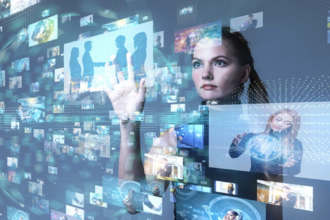
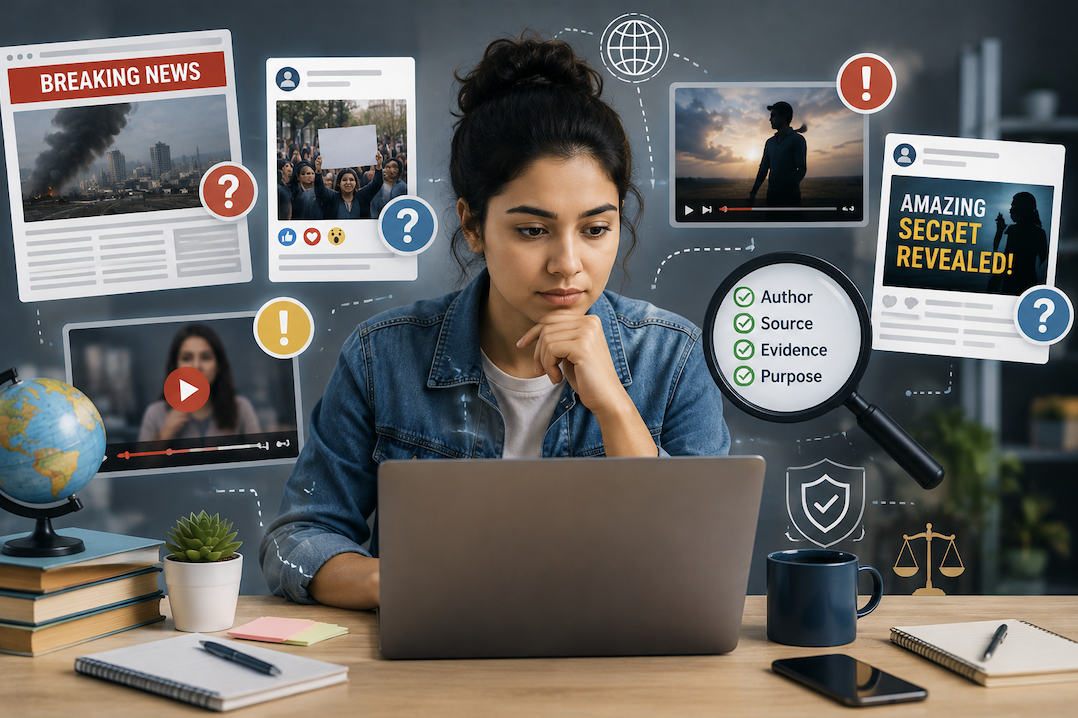
Scrolling through a typical social media feed today means encountering news articles, opinion pieces, memes, and outright misinformation all mixed together, often with no clear indication of which is which. Media literacy has become an increasingly essential skill for navigating this environment thoughtfully, rather than simply accepting or dismissing everything at face value. This article explains what media literacy actually means and why it matters more than ever.
Unlike previous generations, who generally received most of their information from a relatively small number of established, editorially reviewed sources, today’s information environment is decentralized and largely unfiltered, placing far more responsibility on individual readers to do their own evaluation before deciding what to trust.
What Media Literacy Actually Means
Media literacy refers to the ability to access, critically analyze, evaluate, and create media in its many forms, including news articles, social media posts, videos, and advertisements. Rather than passively consuming information, someone with strong media literacy skills actively questions the source, purpose, and potential bias behind what they are seeing, reading, or hearing.
This does not mean becoming cynically distrustful of everything encountered online, but rather developing a thoughtful, consistent habit of evaluating information before accepting it as accurate or sharing it further with others.
Why Media Literacy Has Become Increasingly Important
The sheer volume and speed of information available today, combined with how easily anyone can publish content online without traditional editorial oversight, has made critical evaluation skills considerably more important than in previous eras when information sources were more limited and centralized.
- Social media allows information, including misinformation, to spread extremely quickly
- Anyone can publish content online without traditional editorial review or fact checking
- Algorithms often prioritize engaging, emotionally charged content over strictly accurate information
- Sophisticated tools now make convincing but fabricated content increasingly easy to create
Key Skills That Make Up Genuine Media Literacy
Media literacy involves several distinct, practical skills that work together to help someone navigate information more thoughtfully.
- Identifying the original source of information and evaluating its credibility and track record
- Recognizing the difference between factual reporting and opinion based commentary
- Understanding how headlines and imagery can be crafted specifically to provoke a strong emotional reaction
- Checking whether other credible sources are reporting the same information independently
- Recognizing common signs of manipulated or fabricated content, including unusual formatting or urgency
How to Actually Practice Media Literacy Day to Day
Building genuine media literacy is less about memorizing a rigid checklist and more about developing consistent, thoughtful habits that become second nature over time with practice.
- Pause before sharing something that triggers a strong emotional reaction, and verify it first
- Check the “About” page or background of an unfamiliar source before trusting its reporting
- Look for the original source of a claim rather than relying solely on secondhand summaries
- Consider what might be left out of a particular framing, not just what is included
- Diversify the sources you regularly follow rather than relying on a single narrow perspective
Why Media Literacy Benefits Everyone, Not Just News Consumers
Strong media literacy skills extend well beyond simply evaluating news headlines. They also apply to advertising, which is specifically designed to persuade, and to social media content generally, which often presents a curated, incomplete picture of reality. Developing these evaluation skills helps people make more informed decisions across many areas of daily life, not just when consuming traditional news content specifically.
Practical Tips for Building Stronger Media Literacy Skills
- Cross reference surprising or significant claims across multiple independent, credible sources
- Learn to recognize common emotional manipulation tactics used in both news and advertising
- Teach these skills to younger family members, since they are growing up in an even more complex media landscape
- Stay curious and open to updating your understanding as new, credible information emerges
How Media Literacy Differs Across Generations
Different generations often encounter media literacy challenges in noticeably different ways, shaped largely by the specific platforms and information habits they grew up with. Older adults who did not grow up navigating social media may be less familiar with common manipulation tactics used specifically on those platforms, while younger people who grew up immersed in social media may be more familiar with the platforms themselves but still developing the critical evaluation habits needed to consistently separate credible information from convincing misinformation.
This generational variation is exactly why media literacy education increasingly targets multiple age groups differently, rather than assuming a single, one size fits all approach works equally well for everyone. Family conversations across generations about how to evaluate a specific piece of content can genuinely benefit both older and younger participants, each bringing different strengths and blind spots to the discussion.
- Different generations face somewhat different media literacy challenges based on their formative experiences
- Older adults may need more familiarity with specific social media manipulation tactics
- Younger people may need more practice with slower, more deliberate critical evaluation habits
- Cross generational conversations about media evaluation can genuinely benefit everyone involved
Final Thoughts
Media literacy has become a genuinely essential skill for navigating an information environment where anyone can publish content and algorithms often reward emotional engagement over accuracy. Building consistent habits of thoughtful evaluation, rather than either blind trust or blanket cynicism, helps you make more informed decisions about what you believe, share, and act upon every single day.
Like any skill, it improves with deliberate practice rather than arriving automatically. Each time you pause to check a source or verify a surprising claim before sharing it, you are reinforcing exactly the kind of habit that, practiced consistently across enough people, genuinely helps push the broader information ecosystem toward greater accuracy.
- Read more about Techsipra!
Frequently Asked Questions
1. Does media literacy mean I should distrust everything I read online?
No, the goal is thoughtful evaluation rather than blanket distrust. Media literacy helps you distinguish credible, well sourced information from unreliable or manipulative content, rather than dismissing everything equally.
2. Can media literacy skills really be learned, or are some people just naturally better at it?
These are genuinely learnable skills that improve significantly with conscious practice and awareness, rather than being a fixed trait some people simply have and others lack entirely.
3. Why do emotionally charged headlines spread faster than calm, factual reporting?
Content that triggers strong emotions tends to generate more engagement, which many platforms’ algorithms then further amplify, creating a cycle that can favor sensational content over accurate reporting.
4. Is media literacy only relevant for evaluating political news?
No, these skills apply broadly to advertising, health claims, financial advice, and virtually any information encountered online, not just political or traditional news content specifically.