
Aponeurotic Galea: Why Your Scalp Feels Tight Every Day
I can picture you there, lights low, fingers pressing into your scalp again, feeling that firm spot across the top. Hair getting thinner right in that zone, sides staying full, and the whole thing just feels confusing and unfair. You’ve probably scrolled through endless posts saying “it’s genetics” or “block DHT,” but they never quite connect to why the pattern is so exact or why your head sometimes feels heavy and pulled after a long day.
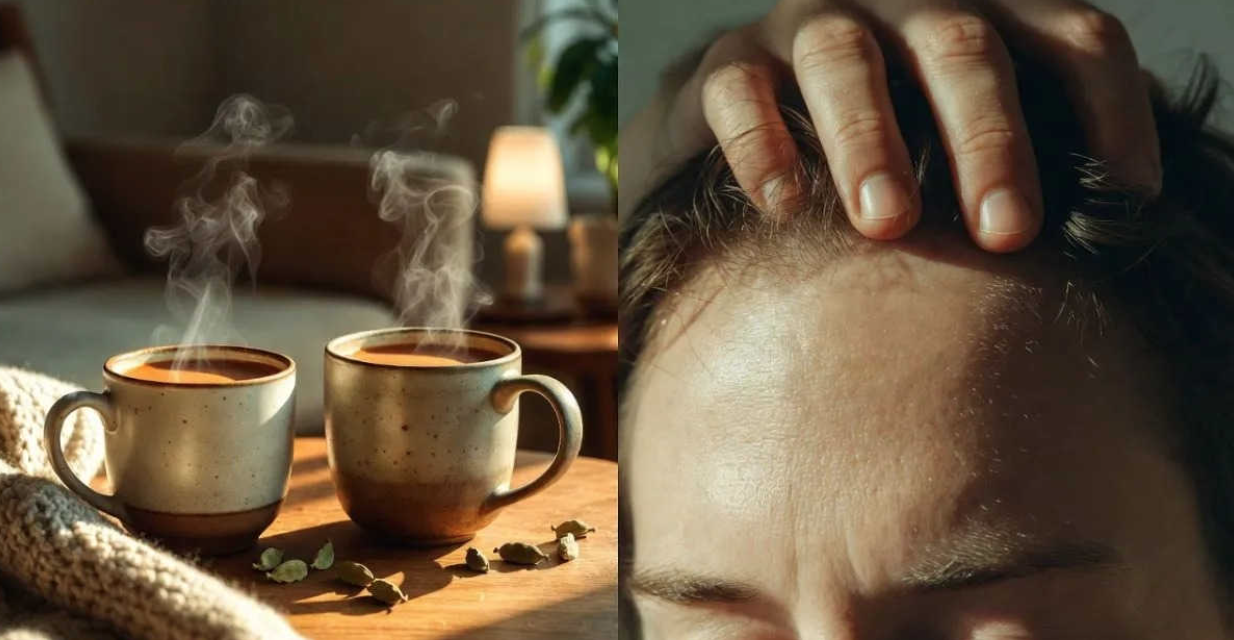
Let’s talk about the aponeurotic galea the way I’d explain it if we were here together with chai, no rush. No big walls of text, no confusing terms just straightforward chat about what this hidden layer is, why your scalp can feel tight, and some gentle, safe things you can try tonight if it feels right. I’ll keep it real and easy so it actually lands.
What Is the Aponeurotic Galea (Plain English Version)
The aponeurotic galea is a wide, tough sheet of strong tissue sitting right in the middle layer of your scalp. It’s not muscle more like a flat, sturdy tendon stretched across the top of your head.
People also call it the galea aponeurotica or epicranial aponeurosis. Same thing. It spans from just above your eyebrows back toward that small bump at the base of your skull. It’s one of those quiet body parts you never notice until your scalp starts feeling off or heavy.
How to Actually Feel & Locate It on Your Own Head
Try this if you’re comfortable. Let your whole face go soft no frown, no clench.
Put your fingertips gently on top of your head and press lightly. Feel how the crown and front often feel firmer, less cushy than the sides near your ears? That resistance is usually the aponeurotic galea showing itself.
Press a tiny bit deeper (still gentle). It might feel like a subtle band under the skin. Most people notice the difference in under a minute. If your hair is thick or your scalp has extra padding, it can be subtler but it’s there.
Simple Analogy: The Galea Is Like a Canvas Drumhead
Picture a drum. The outer skin is your scalp. Underneath is the tight canvas head that gives the drum its tone and snap.
The aponeurotic galea is that canvas layer. It’s firm enough to carry force when muscles pull on it, but it doesn’t stretch much. That’s why on stressful days your whole top can feel pulled tight like someone tuned the drumhead one turn too far.
Quick Self-Check: Is Your Scalp “Galea-Tight”?
- Sit or stand relaxed and let your face soften completely.
- Place both hands flat on top of your head.
- Press and release gently a few times.
- Notice: does the top feel heavier or firmer than the sides?
If yes, you’re feeling the aponeurotic galea zone. It’s normal. The feeling stands out more when you’re tired, slouched, or carrying stress in your face.
The Classic Pattern Hair Loss Mystery Solved by Anatomy
Here’s the part that frustrates so many.
In pattern hair loss the common kind called androgenetic alopecia thinning almost always happens in one specific area: the zone covered by the aponeurotic galea.
The sides above your ears and the back near your neck usually stay thick. That horseshoe shape isn’t chance. It’s directly linked to where this tough sheet sits.
Why Thinning Almost Always Stops at the Sides & Back
The aponeurotic galea doesn’t extend all the way down to your ears or the nape. It stops where the scalp curves outward.
Outside that boundary there’s no broad, stiff sheet pulling on the tissues. Less constant tug. Hair follicles there don’t face the same tiny daily stresses that happen over the top.
That single anatomical detail explains the pattern clearer than anything else.
Researchers have kept circling back to a quiet idea that’s been around for a while but gets fresh attention now and then.
Because the aponeurotic galea is stiff, repeated small pulls from the forehead and back-of-head muscles create low-level tension across the top. Over time that might reduce blood flow to follicles, limit nutrients, or add a bit of inflammation making those follicles more sensitive to DHT and other triggers.
Clinic articles and reviews from 2023 through 2025 still mention mechanical stress—scalp tightness, muscle activity, circulation changes. Some Botox studies for forehead lines even noted small side improvements in hair density in treated areas, suggesting relaxing tension can sometimes help a little.
Important balance:
it’s not proven as the main cause. Genetics and hormones are still the primary drivers. Tension is likely a secondary factor that makes things worse for some people especially those who hold a lot of stress in their face and scalp.
Common Mistake: Thinking It’s “Just DHT” and Ignoring Mechanics
Most advice stops at “block DHT and you’re set.” That helps tons of people. But it leaves a gap for anyone who feels constant scalp pressure and watches the top thin while sides stay strong.
Skipping the mechanical part means missing an easy, free way to support your scalp: gently easing daily tension in the aponeurotic galea zone.
Real-Life Example: Ahmed’s Story (Office Worker, 30s, Stressed Scalp)
Ahmed is 34, works long hours on a laptop in a busy office, always leaning forward. He noticed crown thinning around age 29. Every evening his scalp felt tight like an invisible cap squeezing the top.
He tried minoxidil and saw some gains. Then he added a simple routine: five minutes of gentle massage at night plus posture checks during work. After three months the heavy feeling lifted noticeably. Hair didn’t regrow everywhere, but shedding slowed and he said the top “felt more alive.”
Nothing fancy. Just consistent, gentle attention to the tension side.
How Chronic Scalp Tension Builds & Feels Every Day
Tension in the aponeurotic galea zone sneaks up slowly.
It comes from repeated habits: slouching over screens, clenching your jaw when thinking hard, frowning during stressful calls, breathing shallow when anxious.
People usually describe it the same way:
- A band-like pressure across the forehead and crown.
- Heavy, full feeling at the top after a long day.
- Sometimes a dull ache that eases when you finally relax your face.
The Everyday Triggers Most People Miss (Posture, Jaw, Screen Time)
- Forward head posture pulls on back neck muscles → they tug the back of the galea → top tightens.
- Jaw clenching (very common when focused) fires forehead muscles → they pull the galea forward.
- Looking down at phones for hours shortens the front neck → the whole scalp stays tense to compensate.
Comparison Table: Tension vs. Other Hair Loss Drivers
| Factor | Main Role | How the Galea Zone Fits In | Easy to Influence at Home? |
| Genetics | Sets follicle sensitivity | Makes top follicles more vulnerable | No |
| DHT / Hormones | Triggers shrinking | Hits hardest in galea-covered area | With medication |
| Chronic Tension | Possible amplifier | Transmits ongoing pull across the top | Yes – massage & posture |
| Inflammation | Speeds damage | Tension may add low-grade irritation | Partially (lifestyle) |
| Blood Flow | Keeps follicles nourished | Stiff galea might limit micro-circulation | Yes – warmth & movement |
Practical 7-Day Tension-Release Routine (Step-by-Step)
Keep it short and doable so it sticks.
Day 1–7 plan:
- Warm up (2 minutes) Warm damp towel on top or quick warm shower.
- Massage (5 minutes) Fingertips only. Slow circles from hairline back over crown to back. Light touch.
- Posture reset (30 seconds, 3× daily) Sit tall, shoulders back, chin gently tucked so ears stack over shoulders.
- Jaw & face release (1 minute) Let jaw hang loose. Softly open/close mouth five times.
- Evening check Lightly press crown before bed. Notice any softening.
Most feel a lighter head within 3–5 days.
Safe Ways to Ease Galea Tension at Home (No Risky Experiments)
Focus on gentle, consistent habits. No aggressive stretching or unproven gadgets.
Daily 5-Minute Scalp Massage Sequence (With Finger Placement Tips)
- Forehead sweep Fingers flat at hairline. Glide back to crown. 10 slow passes.
- Crown circles Fingertips on top. Small circles clockwise, then counter. 1 minute each.
- Side-to-side Fingers above ears. Slide gently toward middle, then back. 20 passes.
- Back lift Fingers at skull base. Lightly lift upward five times.
Quick tip short nails, finger pads only. If it hurts, lighten up right away.
Posture & Breathing Hacks That Actually Move the Needle
- Set a soft phone reminder every 45 minutes: “Head back, shoulders soft.”
- Wall angels: back against a wall, slide arms up/down slowly. Opens chest, resets head.
- Belly breathing 2 minutes twice a day: hand on stomach, breathe so it rises more than chest. Cuts body-wide tension feeding your scalp.
When to Stop Home Fixes & See a Professional (Red Flags)
Most tightness is just stress/posture. But see a doctor if:
- Sudden sharp headache
- Numbness/tingling in face/scalp
- Vision changes with pressure
- Rapid patchy or severe hair loss
A dermatologist or neurologist can check for anything else.
What Doesn’t Work (Busting Viral “Galea Hacks”)
- Aggressive “stretching” videos online can irritate nerves or worsen headaches.
- Tight headbands/caps all day adds tension.
- DIY “release” or cutting claims dangerous, no evidence support.
Gentle and steady wins every time.
Frequently Asked Questions (FAQs)
Can you really feel the aponeurotic galea with your fingers?
Yes, press gently across the top. The firmer, less squishy zone (vs sides) is usually the galea layer.
Does scalp massage help pattern hair loss or just feel good?
It eases tightness and makes your scalp feel better. Some small studies suggest better circulation may support follicles a bit, but it’s support not a cure. Pair with other treatments if needed.
Is the tension theory proven or just a Reddit idea?
It’s a hypothesis with older roots and renewed mentions in recent reviews (2023–2025). Seen as possible secondary factor, not main driver. Genetics/DHT still lead.
Why don’t sides and back go bald even with the same genes/hormones?
The aponeurotic galea doesn’t cover those areas. Less mechanical pull means follicles there avoid some daily stresses that may worsen top thinning.
How tight is “too tight” for the galea area?
Heavy/band-like feeling most evenings that eases with rest/massage is common. Constant pain, sudden changes, or added symptoms = see a doctor.
Is there any safe way to “release” or cut the galea?
No safe at-home method. Surgical ideas appear in limited research but lack strong evidence and aren’t standard. Avoid DIY risks nerve/vessel injury.
There you go, Emily the aponeurotic galea explained without any fluff or fear. It’s not the bad guy behind everything, but it does explain why the pattern looks so specific and why your scalp can feel tight like that.
Tonight, before you turn off the light, try the 5-minute massage just the gentle circles over the top. No pressure to do it perfectly. Just notice how your head feels when you wake up tomorrow. That small moment of kindness toward your head can start to change things more than you think.
If the tightness sticks around or the hair worries keep nagging, book a chat with a dermatologist. You’ll walk in already knowing your own scalp way better than most people ever do.
You’ve got this. Rest well tonight.
Your friend who gets it.