Apple Secures Full Ownership of Severance in Strategic Power Move
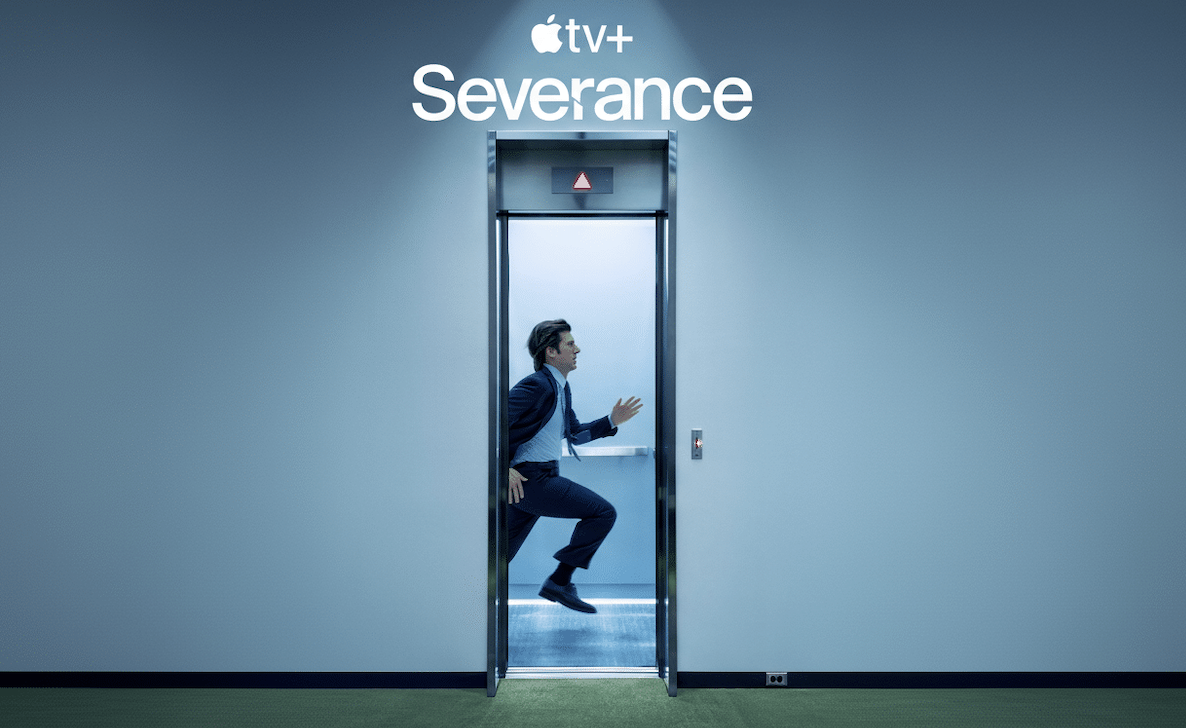
Apple has taken complete control of its acclaimed thriller series, Severance. The company acquired all intellectual property rights in a deal worth nearly $70 million. Previously, Apple licensed the show from Fifth Season. Now, the series officially joins the expanding in house catalog under Apple Studios.
This bold acquisition signals a major shift in Apple’s content strategy. Instead of sharing ownership, the company now controls every creative and financial aspect. As a result, future seasons will operate entirely under Apple’s direction. Consequently, the platform secures long-term value from one of its strongest franchises.
From Licensed Hit to In-House Flagship Production
Initially, Severance launched as an external production for Apple TV+. However, Apple steadily increased its internal production footprint over recent years. Today, Apple Studios produces nearly half of the platform’s content slate. Therefore, bringing Severance fully in house aligns with a broader corporate vision.
This strategy mirrors Apple’s earlier decision with Silo. After its debut season, Apple absorbed that science fiction drama into its studio system. Likewise, Severance now transitions into a wholly owned property. Meanwhile, Fifth Season remains attached as an executive producer, ensuring continuity.
Season Two Challenges Accelerated the Deal
Season two faced significant production obstacles. First, pandemic disruptions slowed filming schedules. Then, Hollywood labor strikes created further delays. Additionally, script revisions required costly reshoots and rebuilt sets.
Each episode reportedly cost nearly $20 million. Therefore, the extended timeline increased financial pressure on Fifth Season. Borrowing costs rose sharply during the delay period. Meanwhile, the studio awaited New York tax credits to stabilize funding.
At one point, producers considered relocating filming to Canada for stronger tax rebates. However, Apple executives evaluated long-term benefits over short term savings. Ultimately, ownership offered greater financial flexibility and stability.
Commitment to New York Production Stability
The show maintains a strong production base in New York. Relocation would have disrupted established infrastructure and crew relationships. Instead, Apple chose to absorb production costs internally. Consequently, the company preserved the show’s creative ecosystem.
Owning the property allows Apple to manage extended timelines without external financing strain. Moreover, internal budgeting provides stronger oversight of development cycles. Thus, future seasons should avoid costly shutdowns and chaotic reshoots.
Executives now insist on completed scripts before filming begins. This disciplined approach aims to eliminate unexpected rewrites. As a result, production efficiency should improve significantly.
Severance Positioned as Long-Term Franchise
Apple plans to elevate Severance into a flagship franchise. The series has already secured renewal for a third season. Reports suggest a fourth season remains virtually guaranteed. Therefore, the show appears central to Apple’s streaming future.
Creator Dan Erickson continues to shape the story’s ambitious arc. Executive producer Ben Stiller also remains deeply involved. Both creatives have expressed openness to expanding the universe. Consequently, spinoffs and international adaptations may follow.
Such expansion strengthens brand longevity. Furthermore, franchise storytelling builds sustained subscriber engagement. Apple clearly aims for multi-season dominance rather than short-term impact.
Critical Acclaim and Award Recognition
Severance quickly became a breakout success for Apple TV+. In fact, season two ranked as the platform’s most-watched series upon release. Audience engagement soared across global markets. Moreover, critics praised its psychological depth and corporate satire.
The series earned 27 nominations at the 2025 Emmy Awards. It ultimately secured eight wins, solidifying prestige status. Therefore, the acquisition protects not only financial value but also cultural capital.
Awards recognition enhances streaming credibility. Additionally, critical acclaim attracts top tier creative talent. Apple now leverages both advantages for future development.
Strategic Control Defines Apple’s Next Phase
Ownership transforms Severance into a core asset rather than a licensed success. Consequently, Apple controls distribution, merchandising, and potential adaptations. This vertical integration increases long-term profitability.
Streaming competition continues to intensify. However, exclusive intellectual property strengthens platform identity. Apple recognizes that premium storytelling drives subscriber loyalty. Therefore, acquiring Severance represents calculated long-term planning.
Production for season three is expected to begin this summer. Nevertheless, final scheduling depends on script completion. Executives refuse to rush development this time. Instead, they prioritize stability and creative precision.
A Defining Moment for Apple Studios
Apple Studios now commands greater influence within the entertainment industry. Bringing Severance fully in-house demonstrates confidence and ambition. Furthermore, the move signals that Apple intends to compete aggressively in prestige television.
Financial risk remains substantial in high-budget streaming drama. Yet, ownership reduces external dependency and revenue leakage. Therefore, Apple strengthens both creative authority and economic resilience.
Severance stands as more than a series. It represents a defining pillar in Apple’s streaming strategy. With full control secured, the company positions the show for sustained global impact.