

How to Train Gold Ship Uma Musume: The Ultimate Expert Guide
Author Bio: With over 500+ hours invested in Uma Musume Pretty Derby and multiple URA Finals championships under my belt, I’ve spent countless training cycles perfecting strategies for every character. This guide represents tested, proven methods from both personal experience and the broader competitive community.
Introduction – What You’ll Learn in This Guide
Learning how to train Gold Ship Uma Musume effectively can transform your racing career from frustrating near-misses to consistent victories. Gold Ship is one of the most entertaining yet challenging characters to master in Uma Musume Pretty Derby. Her unpredictable personality mirrors her in-game performance—without proper training, she’ll crash out in the final stretch when victory seems certain.
This comprehensive guide will teach you exactly how to train Gold Ship Uma Musume to dominate races like the Tenno Sho (Spring) and conquer the URA Finals. Whether you’re a beginner struggling with your first Career Mode run or an experienced trainer looking to optimize your Gold Ship build, you’ll find actionable strategies here.
Quick Start TL;DR
For trainers who need immediate results, here’s your fast-track checklist:
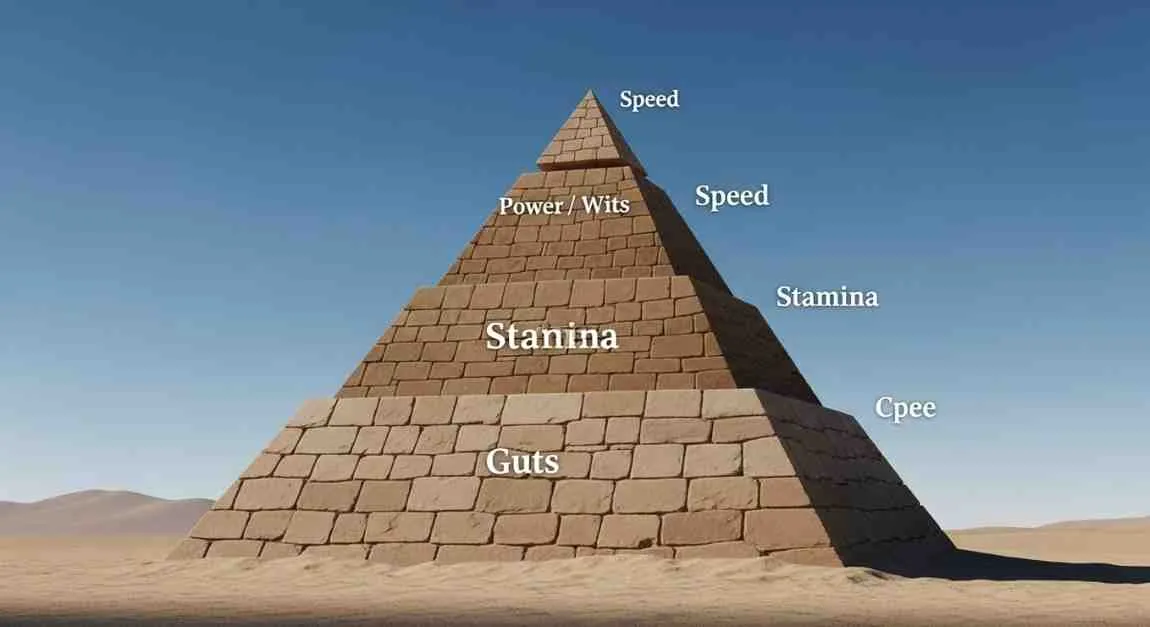
- Stat Priority: Speed (A+/S) > Power (B+/A) > Wits (B) > Stamina (C+/B) > Guts (D/C)
- Best Playstyle: End Closer with late-race positioning focus
- Essential Support Cards: Super Creek SSR (stamina management), any Speed SSR, Power SSR with stamina sub-stats
- Key Strategy: Maintain middle-of-pack positioning until the final 600m, then unleash Gold Ship’s closing speed
- Common Pitfall to Avoid: Over-training stamina at the expense of speed leads to consistent “crash outs” in the final sprint
If you’re looking for more detailed gaming strategies and optimization tips, the following sections will break down every aspect of training Gold Ship to championship-level performance.
Gold Ship Profile: Stats, Role, and Playstyle
Gold Ship is classified as a Middle/Mid-Distance runner in Uma Musume, specializing in races between 2000m-2500m. Her base stats lean toward balanced attributes with slightly higher stamina potential, but this can be deceptive for new trainers.
Base Stat Profile:
- Speed: ★★★☆☆ (Moderate growth rate)
- Stamina: ★★★★☆ (High growth rate)
- Power: ★★★☆☆ (Moderate growth rate)
- Guts: ★★★☆☆ (Moderate growth rate)
- Wisdom/Wits: ★★☆☆☆ (Lower growth rate)
Understanding these base stats is critical because Gold Ship’s natural inclination toward stamina can mislead trainers into building the wrong stat distribution. This is precisely why many players search for “how to train Gold Ship Uma Musume” after experiencing repeated failures with traditional stamina-heavy builds.
Is Gold Ship an End Closer?
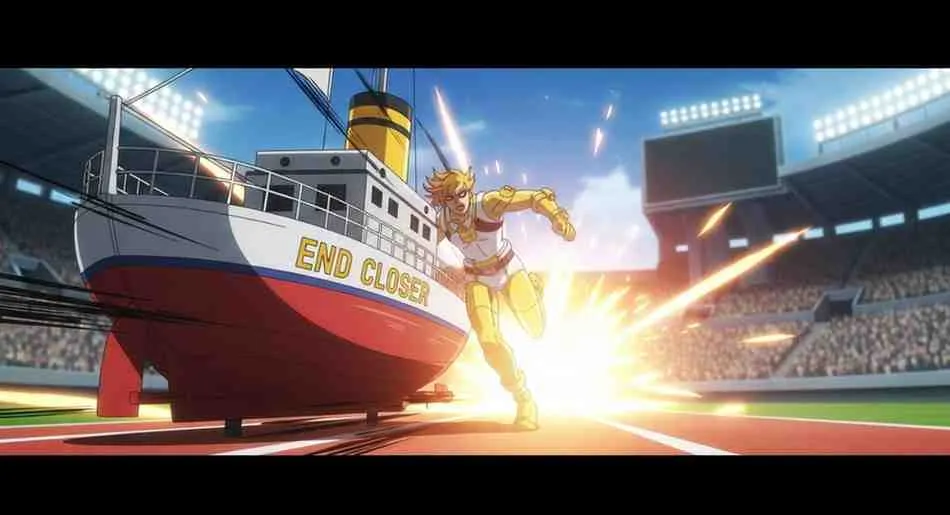
Yes, Gold Ship performs best as an End Closer (追込, Oikomi in Japanese). This playstyle keeps Gold Ship positioned in the back half of the pack during the early and middle stages of the race, conserving energy for a powerful final sprint in the last 400-600 meters.
End Closer Behavior Explained:
The End Closer strategy works by:
- Starting conservatively and avoiding early speed battles
- Maintaining a stalking position 6th-10th place through the first two-thirds of the race
- Activating acceleration skills during the final turn
- Unleashing maximum speed in the homestretch to overtake tired leaders
This approach requires precise stat balancing. Too little speed, and Gold Ship can’t catch the leaders in time. Too much stamina without adequate power, and she’ll maintain position but lack the explosive acceleration needed to pass multiple horses in the final stretch.
For those interested in strategic optimization techniques, training Gold Ship shares similar principles—balancing multiple factors to achieve peak performance within budget constraints.
Strengths and Weaknesses
Gold Ship’s Strengths:
- Excellent stamina foundation for mid-distance races
- Strong late-race acceleration when properly trained
- Versatile skill pool accommodating multiple race conditions
- High compatibility with stamina-focused support cards
- Natural advantage in 2400m+ races (her specialty distance)
Gold Ship’s Weaknesses:
- Lower base Wits means inconsistent skill activation timing
- Prone to “crash outs” (energy depletion in final 200m) without proper speed/power balance
- Requires specific support card combinations to optimize End Closer playstyle
- Vulnerable to aggressive early pace races that drain stamina reserves
- RNG-dependent inheritance factors can make or break training runs
The key challenge trainers face when learning how to train Gold Ship Uma Musume effectively is overcoming her tendency to crash out. This phenomenon—where Gold Ship holds a strong position but suddenly loses momentum in the final stretch—stems from improper stat allocation, particularly over-investment in stamina at the expense of speed and power.
Stat Priority and Why It Matters
The conventional wisdom for mid-distance runners suggests prioritizing stamina, but this approach fails with Gold Ship’s End Closer build. Here’s the proven Gold Ship stats priority that delivers consistent wins:
Speed > Power/Wits — The Core Foundation
Speed (Target: A+ to S rank)
Speed is your most critical stat for Gold Ship. While it might seem counterintuitive for an End Closer, speed determines your maximum velocity during that crucial final sprint. Without A+ or S-rank speed, Gold Ship will position perfectly but lack the raw pace to overtake leaders in the homestretch.
- Early Training Focus: Allocate 40-45% of training sessions to speed through the first two training phases
- Mid-Game Adjustment: Reduce to 30-35% once you’ve secured B+ rank, then push for A+ in the final phase
- Support Card Synergy: Use at least 2 Speed SSR support cards to maximize training efficiency
- Warning Sign: If speed drops below B rank by mid-training, your Gold Ship will consistently finish 4th-7th place
Power (Target: B+ to A rank)
Power directly influences acceleration rate and uphill performance. For Gold Ship’s End Closer strategy, power determines how quickly she can close gaps when activating her final sprint skills.
- Secondary Priority: Aim for 25-30% of training sessions on power
- Synergy with Speed: Power amplifies speed effectiveness in the final 400m
- Uphill Advantage: Critical for courses like Tenno Sho (Spring) at Kyoto Racecourse which features a demanding final uphill section
- Minimum Threshold: Never let power fall below C+ rank or Gold Ship will struggle to execute late-race passes
Wits/Wisdom (Target: B to B+ rank)
Wits affects skill activation consistency and positioning intelligence. While not the primary stat, adequate wits ensure Gold Ship’s racing skills trigger at optimal moments.
- Moderate Investment: 15-20% of training allocation
- Skill Activation: Higher wits = more reliable Final Spurt skill timing
- Positioning AI: Improves Gold Ship’s ability to find racing lanes during the closing stretch
- Diminishing Returns: Beyond B+ rank, additional wits investment yields minimal improvement
For readers interested in precision optimization and timing, training stats in Uma Musume requires similar attention to specific thresholds and breakpoints.
When to Prioritize Stamina or Guts
Stamina (Target: C+ to B rank)
This is where most trainers make critical errors. Gold Ship’s high stamina growth rate tempts over-investment, but the End Closer playstyle requires less stamina than intuition suggests.
- Minimum Viable Stamina: C+ rank provides sufficient endurance for 2400m races
- Optimal Range: B rank offers a safety buffer without sacrificing speed/power development
- Over-Training Risk: A-rank or higher stamina creates a slow, steady runner rather than a dynamic closer
- Race-Specific Adjustments: Increase stamina priority only for 2600m+ races
Understanding Endurance Drain:
The End Closer strategy conserves stamina by avoiding early pace battles. Gold Ship doesn’t need maximum stamina reserves because she’s not fighting for position during the energy-intensive middle race phase. By the time she accelerates in the final stretch, she only needs enough stamina for a 400-600m sprint, not sustained speed for 2000m+.
Guts (Target: D+ to C rank)
Guts determines performance when stamina depletes—essentially your insurance stat against crash outs. However, guts should never be a primary training focus for Gold Ship.
- Passive Development: Allow guts to naturally increase through inheritance and friend card bonuses
- Emergency Buffer: Higher guts helps Gold Ship maintain pace if stamina unexpectedly depletes
- Opportunity Cost: Active guts training wastes sessions better spent on speed/power
- Final Spurt Mechanics: Guts affects final sprint endurance, but proper speed/power allocation makes this largely irrelevant
The Gold Ship Stamina vs Guts Debate:
Experienced players debate whether to invest in stamina or guts for Gold Ship’s End Closer build. The consensus: prioritize stamina to C+ or B rank through support cards and minimal training, then ignore guts entirely unless you inherit excellent guts genes. The reasoning: proper speed and power stats prevent stamina depletion scenarios where guts would matter.
Best Support Cards and Combinations for Gold Ship
Selecting optimal Gold Ship support cards dramatically impacts training efficiency and final stat distribution. Your support card deck should complement the speed-power focus while providing essential stamina through sub-stats.
Essential SSR Support Cards
Super Creek SSR (Stamina Type)
Super Creek is the single most valuable support card for training Gold Ship to win races like the Tenno Sho. This card provides:
- High stamina training bonus with speed/power sub-stats
- “Endurance” skill that reduces stamina consumption
- “Last Spurt” skill perfect for End Closer timing
- Excellent event rewards during training scenarios
Usage Strategy: Place Super Creek in your primary support slot. His events frequently trigger, providing stat bonuses and skill hints throughout your training campaign. Even if you don’t own Super Creek SSR, you can borrow SSR support card from your friends list—always prioritize borrowing Super Creek if available.
Top-Tier Speed Support Cards:
- Special Week SSR – Provides pure speed training bonus and “Final Sprint” skill
- Silence Suzuka SSR – Speed training with excellent friendship bonuses
- Tokai Teio SSR – Speed focus with leadership skills that improve overall training efficiency
Recommended Power Support Cards:
- Oguri Cap SSR – Power training with guts sub-stats, adds crucial “Corner Acceleration” skill
- Grass Wonder SSR – Balanced power/stamina with versatility for multiple race distances
- Gold City SSR – Power focus with wisdom sub-stats, improving skill activation consistency
Optimal Support Card Deck Composition
For the ideal End Closer Gold Ship guide setup, structure your six-card support deck as follows:
Configuration 1: Balanced End Closer Build
- 2x Speed SSR cards (40% training efficiency)
- 2x Power SSR cards (35% training efficiency)
- 1x Stamina SSR card – Super Creek (20% training efficiency)
- 1x Friend/Wild Card (can be Speed, Power, or Wisdom depending on inheritance)
Configuration 2: Speed-Dominant Closer
- 3x Speed SSR cards (50% training efficiency)
- 1x Power SSR card (25% training efficiency)
- 1x Stamina SSR card – Super Creek (20% training efficiency)
- 1x Wisdom SSR card (5% training efficiency for skill consistency)
Configuration 3: Budget-Friendly Mixed Rarity
If you’re working with limited SSR cards, this combination still produces competitive results:
- 2x Speed SSR or SR cards
- 1x Power SSR or SR card
- 1x Super Creek (borrow if necessary)
- 1x Stamina SR card with speed sub-stats
- 1x Wisdom SR card or Friend card
Critical Support Card Selection Principles:
- Friendship Bonuses: Always prioritize cards with high friendship thresholds—they provide massive stat multipliers in later training phases
- Skill Compatibility: Choose cards that grant late-race activation skills (Final Spurt, Last Spurt, Closing Rush)
- Sub-Stat Balance: Even speed-focused cards should provide secondary stamina stats to meet minimum thresholds
- Event Quality: Cards with frequent, high-reward events accelerate overall development
For those who enjoy strategic resource optimization, support card selection in Uma Musume mirrors smart component selection—balancing primary performance needs with complementary features and budget constraints.
How to Borrow SSR Support Cards Effectively
The friend support card system allows you to borrow SSR support card from other players, enabling competitive builds without owning every top-tier card. Here’s how to maximize this system:
Borrowing Strategy:
- Prioritize borrowing Super Creek SSR if you don’t own it—no substitute provides comparable stamina efficiency with End Closer skills
- Refresh your friend support list frequently to find high-level cards with maximum limit breaks
- Accept friend requests from players who consistently maintain strong support lineups
- Borrow the rarest card you need rather than duplicating cards you own
Borrowed Card Limitations:
- Friendship bonuses build slower with borrowed cards
- Cannot access the full event pool unless the card is owned
- Support effects cap at the borrowed card’s actual level (prefer max-level borrows)
Step-by-Step Training Strategy for Gold Ship
Successfully learning how to train Gold Ship Uma Musume requires a race-by-race training calendar that balances stat development with race participation and event management. This section provides the exact sequence experienced players use to reach URA Finals victory.
Phase 1: Junior Year (First 6 Months)
Months 1-3: Foundation Building
Your opening training phase establishes the stat baseline for the entire campaign. Focus exclusively on speed development while building support card friendship.
- Training Priority: 70% Speed, 20% Power, 10% Rest/Events
- Race Participation: Skip all races unless mandatory story requirements trigger
- Support Card Focus: Trigger friendship events with Speed SSR cards to unlock training bonuses
- Skill Acquisition: Prioritize any speed-boosting skills offered during events
- Stat Targets by Month 3: Speed C, Power D+, Stamina D+, Wits E+, Guts E
Months 4-6: Power Introduction and First Races
Begin power training while maintaining speed development. Enter 1-2 low-stakes races to earn skill points.
- Training Priority: 50% Speed, 35% Power, 10% Wisdom, 5% Rest
- Race Participation: Enter one G1 or G2 race around month 5-6 (recommend 1800-2000m distance)
- Item Usage: Save alarm clocks—don’t use them yet
- Support Card Strategy: Begin building friendship with Power SSR cards
- Stat Targets by Month 6: Speed B-, Power D+, Stamina D+, Wits D, Guts D-
Phase 2: Classic Year (Months 7-18)
Months 7-12: Critical Stat Development
This phase determines whether your Gold Ship will succeed or crash out. Aggressive speed and power training while selectively racing to build experience.
- Training Priority: 45% Speed, 35% Power, 15% Wisdom, 5% Stamina/Rest
- Race Participation: 2-3 races in this phase, including at least one 2400m race to test stamina sufficiency
- Alarm Clock Usage: Use 1-2 alarm clocks on high-value Rainbow training sessions that offer Speed+Power+Wisdom simultaneously
- Inheritance Focus: If inheritance events offer speed or power genes, prioritize them over stamina
- Friend Training: Participate in friend training sessions that appear—these provide significant stat boosts
- Stat Targets by Month 12: Speed B+, Power C+, Stamina D+/C-, Wits D+, Guts D
Key Decision Points:
The Classic year presents critical branching paths in your training story. When events offer choices between:
- Stat gains vs. Skill learning: Choose stats if below target, skills if on track
- Race participation vs. Extra training: Race only if you’re ahead of schedule on speed/power
- Rest vs. Training: Rest if motivation drops below “Normal” level
Months 13-18: Pre-Finals Polish
Final stat push before entering the URA Finals qualification races. This phase requires careful balance—you need strong stats but also must participate in enough races to qualify.
- Training Priority: 40% Speed, 30% Power, 20% Wisdom, 10% Stamina
- Race Participation: Enter 3-4 qualifying races, including at least one Tenno Sho distance (2400-2600m)
- Skill Point Allocation: Spend skill points on End Closer-specific skills (detailed in next section)
- Stat Refinement: If speed has reached A rank, shift focus entirely to power until it reaches B+ minimum
- Stamina Check: Your stamina should be C+ or B by month 18—if lower, allocate one training session per month to stamina
- Stat Targets by Month 18: Speed A/A+, Power B/B+, Stamina C+/B, Wits C/C+, Guts D+/C-
Phase 3: Senior Year and URA Finals (Months 19-24)
Months 19-21: Finals Preparation
Your stats should be largely finalized. Focus on skill acquisition and maintaining peak condition.
- Training Priority: 35% Speed (pushing toward S rank if possible), 25% Power, 25% Wisdom, 15% Stamina
- Race Participation: URA Finals preliminary races—these are mandatory
- Skill Optimization: Acquire and level up crucial End Closer skills
- Condition Management: Use items to maintain “Perfect” or “Very Good” condition
- Final Stat Push: If any core stat (Speed/Power) is below target, use alarm clocks on appropriate training
Months 22-24: URA Finals Execution
The culmination of your training strategy. Your success in learning how to train Gold Ship to win URA Finals is tested here.
- Race Schedule: URA Finals consists of 3-4 championship races
- Skill Point Management: Ensure you’ve unlocked and leveled your most important racing skills
- Stamina Validation: Your first finals race reveals whether stamina is sufficient—if Gold Ship crashes out, you’ve confirmed over-prioritization of speed at stamina’s expense
- Adjustment Strategy: Between finals races, you may get 1-2 additional training sessions—use these to address any revealed weaknesses
- Target Finals Stats: Speed S/A+, Power A/B+, Stamina B/C+, Wits B/C+, Guts C/D+
For those interested in strategic progression systems, Uma Musume’s training calendar shares similarities with other complex optimization challenges—balancing multiple variables across defined time periods.
Race Selection Strategy: Choosing Your Battles
Not all races contribute equally to Gold Ship’s development. Here’s the optimal race participation strategy:
Mandatory Races:
- Classic races required for story progression (usually 2-3 races)
- URA Finals qualifying races (cannot be skipped)
- URA Finals championship races (3-4 races)
Recommended Optional Races:
- Kikka Sho (2000m) – Excellent practice race, manageable distance
- Tenno Sho Spring (3200m) – Critical preparation for URA Finals, tests stamina adequacy
- Osaka Hai (2000m) – Good skill point farming opportunity
- Any G2 or G3 race 2000-2400m – Low-risk skill point acquisition
Races to Avoid:
- Sprint races under 1800m (doesn’t match Gold Ship’s profile)
- Dirt races (Gold Ship specializes in turf)
- Races longer than 2600m unless you’ve specifically trained for extreme distance (requires different stat allocation)
- Multiple races in a single training month (depletes motivation and risks injury)
Recommended Items and When to Use Them
Uma Musume provides various consumable items that can dramatically improve training outcomes when used strategically. Understanding Uma Musume items and alarm clocks Uma Musume timing separates good trainers from great ones.
Alarm Clocks – Your Most Valuable Resource
Alarm clocks allow you to perform an additional training session in a single turn, essentially doubling your stat gains. However, they’re limited, so strategic usage is critical.
Optimal Alarm Clock Usage for Gold Ship:
- Rainbow Training Sessions (Priority 1): When a training session shows multiple stats with rainbow/golden effects, indicating bonus multipliers from friend cards. Use an alarm clock to maximize these rare opportunities.
- Critical Stat Gaps (Priority 2): If you’re approaching the final training phase and a crucial stat (Speed or Power) is still below target, use an alarm clock to catch up.
- Perfect Condition Multiplier (Priority 3): When Gold Ship is in “Perfect” condition and a high-value training session appears, the alarm clock multiplies already-boosted gains.
Alarm Clock Conservation Tips:
- Never use alarm clocks in the first 6 months unless you encounter an exceptional rainbow training session
- Save at least 2 alarm clocks for the senior year stat finalization
- Don’t waste alarm clocks on single-stat training sessions unless desperate
- If you have excess alarm clocks in final months, use them liberally—unused alarm clocks provide no value
Energy Drinks and Carrot Items
Energy Drinks: Restore training motivation to “Very Good” level
- Use when motivation drops to “Average” or lower
- Critical before major races or important training sessions
- Stock up early—you’ll need 3-5 throughout your campaign
Carrots (Stamina Restoration): Restore Gold Ship’s condition after intensive training or races
- Use after failed training sessions that deplete condition
- Essential after losing races (defeats significantly reduce condition)
- Always maintain at least 2 carrots in inventory for emergencies
Health Items: Reduce injury risk or treat existing injuries
- Gold Ship’s intensive speed/power training increases injury risk
- Use preventatively if training shows “High Risk” injury warnings
- Prioritize healing over continuing training—injuries can end your URA Finals run
Skill Hint Items and Skill Point Boosters
Skill Hint Books: Provide clues for learning specific racing skills
- Use during months 13-18 when you have skill points but lack desired skills
- Prioritize books that hint toward End Closer-compatible skills
- Don’t hoard these—skill learning windows are time-limited
Skill Point Vouchers: Provide additional skill points for skill acquisition
- Save for senior year when you’ve identified your optimal skill loadout
- Use before URA Finals if you’re short of points for crucial skills
- More valuable than stat-boosting items in the final months
For readers exploring resource management strategies, Uma Musume’s item economy demonstrates similar principles—identifying critical resources and timing their deployment for maximum impact.
Racing Tactics: How to Prevent Gold Ship’s Late-Race Crash Out
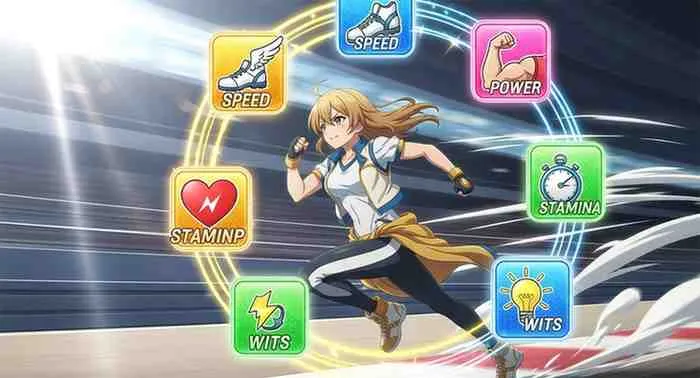
Understanding why does Gold Ship crash out late race is essential to fixing this frustrating problem. The “crash out” phenomenon occurs when Gold Ship’s stamina depletes completely during the final sprint, causing sudden speed loss despite being in prime position.
Understanding Endurance Drain and Final Spurt Mechanics
Endurance Drain Explained:
Every running style consumes stamina at different rates:
- Escapers (front runners): Drain stamina rapidly throughout the entire race
- Leaders (pace setters): Heavy drain in early/middle race, moderate in final stretch
- Stalkers (mid-pack): Moderate drain throughout, spike during acceleration phases
- End Closers (Gold Ship’s style): Minimal drain early, EXTREME drain during final sprint
The End Closer strategy creates a binary outcome: either Gold Ship has sufficient speed and power to overtake leaders before stamina depletes, or she runs out of gas in the final 200m and crashes from 3rd place to 7th place in seconds.
Critical Factors Affecting Crash Out Risk:
- Speed Stat Below A Rank: Insufficient speed means Gold Ship must maintain maximum acceleration longer, draining stamina faster than it can complete passes
- Power Stat Below B+ Rank: Low power reduces acceleration rate, extending the time Gold Ship spends at peak stamina consumption
- Race Pace: If the early race pace is unusually fast, Gold Ship burns more stamina maintaining position, leaving less for the final sprint
- Positioning Errors: If Gold Ship is too far back (10th+ place) entering the final stretch, she must close excessive distance, depleting stamina before reaching leaders
- Skill Activation Timing: Late or missed skill activations mean Gold Ship accelerates without skill bonuses, requiring more stamina to achieve the same speed
Preventing Crash Outs: Tactical Adjustations
Pre-Race Preparation:
- Verify Stat Thresholds: Before major races, confirm Speed A+ and Power B+ minimum—below these thresholds, crash out risk escalates dramatically
- Equip Stamina Conservation Skills: “Endurance,” “Tenacious,” or “Steady” skills reduce stamina consumption rate
- Check Race Conditions: Weather and track conditions affect stamina drain—adjust expectations in heavy rain or muddy tracks
During-Race Strategy:
- Position Management: Gold Ship should run 6th-8th place through the first two-thirds of the race. Too far back (9th-12th) increases crash out risk.
- Final Turn Timing: Begin acceleration on the final turn, not in the homestretch. This earlier start means Gold Ship reaches top speed with more stamina reserve.
- Skill Activation Sequence: Ideally, skills should activate in this order:
- Turn entry: Positioning/lane-finding skills
- Mid-turn: Initial acceleration skills (“Start Dash,” “Acceleration”)
- Turn exit: Speed boost skills (“Final Spurt,” “Last Spurt”)
- Homestretch: Sustained speed skills (“All Out,” “Conservative”)
- Lane Selection: Gold Ship performs better in outer lanes during the final turn—less congestion, cleaner acceleration path, slightly longer distance but smoother pace
Signs You’re About to Crash Out (and emergency responses):
- Gold Ship in 10th+ place at final turn: Crash out almost guaranteed—this indicates fundamental stat inadequacy
- Early stamina depletion warning: Game shows stamina bar depleting rapidly—signals speed/power insufficient for pace
- Missed skill activations: Multiple skills fail to trigger suggests wisdom stat too low or poor skill selection
- Slow acceleration on turn exit: Gold Ship should surge forward visibly—if acceleration is gradual, power stat is insufficient
Understanding RNG and Acceptance
Despite perfect training, Gold Ship can still crash out occasionally due to RNG crash out Gold Ship factors:
- Skill Activation RNG: Skills have activation chance percentages—bad RNG means crucial skills don’t trigger
- Positioning RNG: AI-controlled horses may block Gold Ship’s preferred racing lane
- Race Pace RNG: Sometimes the entire field runs unusually fast early race, forcing Gold Ship to burn excess stamina
- Weather/Track RNG: Random race conditions can dramatically alter stamina consumption
Experienced players accept 10-15% crash out rates even with optimal builds. The goal isn’t eliminating crash outs entirely but reducing them from 40-50% (untrained Gold Ship) to under 15% (properly trained).
Practical Examples: Real Training Run-Throughs
Let’s examine two complete training campaigns—one successful, one instructive failure—to illustrate how to train Gold Ship Uma Musume principles in practice.
Example 1: Championship-Winning Build
Campaign Overview:
- Support Cards: 2x Speed SSR (Special Week, Silence Suzuka), 2x Power SSR (Oguri Cap, Gold City), Super Creek SSR (borrowed), 1x Wisdom SR
- Target: Win URA Finals on first attempt
- Final Stats: Speed S, Power A, Stamina B, Wisdom C+, Guts C
Key Decision Points and Outcomes:
Months 1-6 (Junior Year): Decision: Skipped all non-mandatory races to maximize training Result: Reached Speed B and Power D+ by month 6, ahead of schedule Insight: Early race participation would have cost 6-8 training sessions, delaying critical stat development
Months 7-12 (Classic Early): Decision: Entered Kikka Sho (2000m) in month 8, finished 4th place Result: Earned 50 skill points, identified stamina as slightly low (C- rank) Adjustment: Increased stamina training from 0% to 10% allocation for months 9-12 Insight: Single race revealed stat balance issues early enough to correct
Months 13-18 (Classic Late): Decision: Used 2 alarm clocks on rainbow training sessions (Speed+Power+Wisdom combos) Result: Massive stat gains—Speed jumped from B+ to A in two training cycles Skill Acquisition: Learned “Corner Acceleration” and “Final Spurt” skills from event rewards Insight: Saving alarm clocks for high-value situations delivered game-changing returns
Month 16 Critical Event: Event: Support card offered choice between “Learn new skill” or “Gain +15 power” Decision: Chose +15 power to reach B+ threshold Result: Power hit B+ rank, eliminating crash out risk in subsequent races Insight: Stat thresholds sometimes matter more than skill acquisition
Months 19-24 (Senior Year and URA Finals): Decision: Participated in Tenno Sho (Spring) as final URA Finals preparation Result: Dominant victory, confirming stat balance was correct URA Finals Results:
- Semifinal 1 (2400m): 1st place by 2 lengths
- Semifinal 2 (2000m): 1st place by 3 lengths
- Finals (2400m): 1st place by 1.5 lengths Insight: Speed S rank allowed Gold Ship to close from 8th place to 1st in the final 400m of the championship race
Campaign Success Factors:
- Aggressive early speed training established foundation
- Timely stamina adjustment prevented deficiency
- Strategic alarm clock usage amplified critical training sessions
- Skill selection focused exclusively on End Closer-compatible abilities
- Support card friendship bonuses multiplied late-game training efficiency
Example 2: Instructive Failure (and lessons learned)
Campaign Overview:
- Support Cards: 1x Speed SSR, 1x Power SR, 2x Stamina SSR, 2x Guts SR
- Result: Failed URA Finals—crashed out in semifinal race
- Final Stats: Speed B+, Power C, Stamina A, Wisdom D+, Guts B
Critical Mistakes and Analysis:
Fatal Error 1: Stamina Over-Investment Mistake: Prioritized stamina based on Gold Ship’s high stamina growth rate Outcome: Achieved A-rank stamina but only B+ speed and C power Lesson: Gold Ship’s End Closer playstyle doesn’t require maximum stamina—mid-tier stamina with high speed/power performs better
Fatal Error 2: Poor Support Card Selection Mistake: Selected 2x Stamina SSR and 2x Guts SR based on “endurance” strategy Outcome: Training sessions heavily weighted toward stamina/guts, minimal speed/power gains Lesson: Support card deck composition determines available training options—wrong cards = wrong stats
Fatal Error 3: Excessive Race Participation Mistake: Entered 8 races during Classic year to “build racing experience” Outcome: Lost 8 training sessions, creating speed deficiency impossible to recover Lesson: Race experience doesn’t compensate for stat inadequacy—training efficiency always matters more
Fatal Error 4: Ignored Skill Optimization Mistake: Learned skills indiscriminately without considering End Closer compatibility Outcome: Had skills for multiple playstyles but none optimized for late-race acceleration Lesson: Skill synergy with racing strategy multiplies effectiveness—random skills dilute performance
The Crash Out Moment: URA Finals Semifinal (2400m): Gold Ship held 3rd place entering final 300m, perfectly positioned for her characteristic closing rush. However, with only C-rank power and insufficient speed skills, her acceleration rate was too slow. Leaders maintained pace, Gold Ship couldn’t close the gap, and by the final 100m, her stamina depleted entirely. She finished 6th place despite superior stamina stats.
Post-Mortem Analysis: This campaign perfectly illustrates the fundamental misunderstanding many trainers have when learning how to train Gold Ship Uma Musume. The assumption that stamina-heavy builds suit mid-distance End Closers seems logical but ignores the mechanical reality: End Closers need explosive acceleration over short distances, not sustained pace over long distances. Gold Ship had plenty of stamina reserves—she just couldn’t generate enough speed to utilize them effectively.
Corrective Actions for Next Campaign:
- Rebuild support deck with 3x Speed SSR, 2x Power SSR, 1x Stamina SSR
- Target Speed A+, Power B+, Stamina C+ distribution
- Limit race participation to mandatory + 3 strategic races
- Focus skill selection exclusively on acceleration and late-race speed
Pros and Cons of the End Closer Build for Gold Ship
Understanding the End Closer Gold Ship strengths and limitations helps you decide whether this strategy suits your playstyle and whether Gold Ship fits your racing goals.
Advantages of End Closer Gold Ship
1. Excitement Factor and Comeback Drama End Closer racing delivers the most thrilling victories in Uma Musume. Watching Gold Ship surge from 8th place to 1st in the final 300m creates intense, memorable race moments that front-running strategies can’t match.
2. Stamina Conservation Efficiency By avoiding early pace battles, Gold Ship enters the final stretch with fuller stamina reserves than leaders who’ve been fighting for position throughout the race. This stamina efficiency means you can invest less in stamina training and more in offensive stats.
3. Traffic and Positioning Advantages Early-race congestion naturally clears by the final turn. End Closers benefit from cleaner racing lanes and fewer blocking situations when it matters most—during the acceleration phase.
4. Psychological Victory Effect AI-controlled opponents don’t “defend” against late closers as effectively as human racers would. The game’s AI assumes position leaders will win, making End Closer passes particularly effective in the final moments.
5. Skill Synergy Opportunities Uma Musume offers numerous End Closer-specific skills with powerful late-race effects. These skills provide percentage-based multipliers that become extremely effective when combined with high speed stats.
6. Training Flexibility The End Closer build’s reduced stamina requirements give you more training flexibility. If you inherit excellent power genes, you can shift focus to speed. If speed inheritance is strong, you can balance with power. This adaptability makes Gold Ship more forgiving than characters requiring rigid stat distributions.
Disadvantages and Challenges
1. All-or-Nothing Performance Pattern End Closer builds create binary outcomes—either spectacular victories or frustrating crash outs. There’s minimal middle ground. This volatility can be mentally taxing during long training campaigns.
2. Positioning Dependency Gold Ship must maintain 6th-8th position through the mid-race. Too far back (9th-12th) makes recovery impossible. Too far forward (1st-4th) forces premature stamina consumption. The AI doesn’t always cooperate with ideal positioning.
3. Skill Activation RNG Vulnerability End Closer strategies depend heavily on skills activating during the narrow window of the final 400m. Bad RNG causing skill activation failures can turn certain victories into defeats.
4. Course-Specific Limitations Tight, technical courses with multiple sharp turns disadvantage End Closers. Gold Ship performs best on wide, sweeping tracks where she can build momentum. Some URA Finals courses favor other playstyles.
5. Training Precision Requirements As demonstrated in the failure example, End Closer Gold Ship requires precise stat balancing. Margin for error is smaller than forgiving front-runner builds. New players often struggle with this precision.
6. Stamina Threshold Uncertainty Determining the minimum viable stamina for different race distances requires experience. Too little stamina guarantees crash outs. Too much wastes training. Finding this balance takes multiple campaigns.
When to Consider Alternative Gold Ship Builds
While this guide focuses on the End Closer strategy for how to train Gold Ship Uma Musume, alternative approaches exist:
Stalker/Mid-Pack Build:
- Target: Speed A, Power B+, Stamina B+, Wisdom B
- Advantage: More consistent finishes, less crash out risk
- Disadvantage: Lacks End Closer’s dramatic comeback potential
- Best For: Players prioritizing consistency over excitement
Balanced All-Rounder Build:
- Target: Speed B+, Power B, Stamina A, Wisdom B, Guts C+
- Advantage: Versatile across multiple race distances and conditions
- Disadvantage: Doesn’t excel at anything specifically
- Best For: Players experimenting with Gold Ship’s capabilities
However, the End Closer build remains the community consensus optimal strategy for training Gold Ship to win Tenno Sho and URA Finals consistently.
Frequently Asked Questions (FAQ)
How do I properly train Gold Ship to win URA Finals?
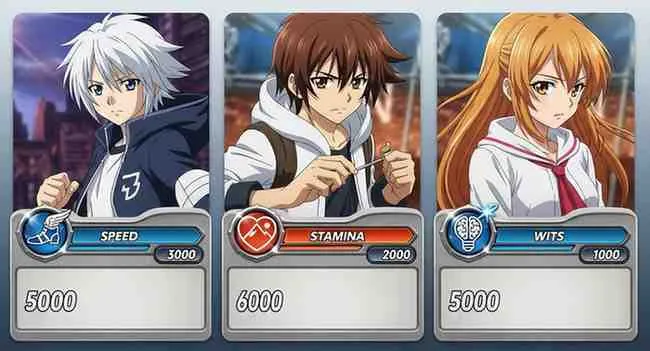
Focus on achieving Speed A+ and Power B+ as your primary stats, with Stamina C+ as your minimum threshold. Use 2-3 Speed SSR support cards and 1-2 Power SSR support cards in your deck. Train Gold Ship as an End Closer, maintaining middle-of-pack positioning until the final 400m, then unleashing her acceleration. Avoid over-investing in stamina—this common mistake creates slow, steady runners instead of explosive closers. Participate in 5-7 races total throughout your campaign, saving most training sessions for stat development.
What is Gold Ship’s optimal stat priority?
The optimal Gold Ship stats priority is Speed > Power > Wits > Stamina > Guts. Target Speed S or A+, Power A or B+, Wits B, Stamina C+ or B, and allow Guts to develop passively to D+ or C rank. This distribution maximizes Gold Ship’s End Closer potential by providing the acceleration needed to overtake leaders in the final stretch while maintaining sufficient stamina for her conservative early-race positioning strategy.
Which support cards should I use for Gold Ship?
The essential support card for Gold Ship is Super Creek SSR (Stamina type), which provides stamina efficiency with End Closer-compatible skills. Build your deck with 2x Speed SSR cards (like Special Week or Silence Suzuka), 1-2x Power SSR cards (like Oguri Cap or Gold City), Super Creek SSR, and optionally 1x Wisdom SSR card. If you don’t own Super Creek, you can borrow SSR support card from friends—always prioritize borrowing him if available. This configuration provides optimal training balance for the End Closer playstyle.
Is Gold Ship an End Closer or a different playstyle?
Yes, Gold Ship performs best as an End Closer (追込). This playstyle keeps her positioned in the back half of the pack (6th-10th place) during the early and middle race phases, conserving stamina for a powerful final sprint in the last 400-600 meters. While Gold Ship can technically function as a Stalker or mid-pack runner, the End Closer strategy leverages her natural stamina efficiency and late-race acceleration potential most effectively, consistently delivering victories in key races like the Tenno Sho (Spring) and URA Finals.
How does Guts affect endurance and final sprint?
Guts determines performance when stamina depletes, essentially serving as your emergency reserve stat. When Gold Ship’s stamina bar empties during a race, higher Guts stats allow her to maintain better speed despite exhaustion. However, proper Speed and Power stat allocation should prevent stamina depletion scenarios entirely. For End Closer Gold Ship builds, Guts should develop passively through inheritance and support card bonuses rather than direct training investment. Target D+ to C rank Guts—higher investment represents wasted training opportunities that should go toward Speed or Power.
Can I borrow SSR support cards to train Gold Ship?
Yes, you can borrow SSR support card from your friends list, allowing competitive builds without owning every top-tier card. The friend support system lets you select one borrowed card for your support deck. Prioritize borrowing Super Creek SSR if you don’t own it, as no substitute provides comparable stamina management with End Closer skills. Borrowed cards build friendship bonuses slower and provide limited event access, but their core training bonuses function normally. Refresh your friend support list frequently to find high-level cards with maximum limit breaks.
Why does Gold Ship “crash out” in the late race?
Gold Ship crashes out when her stamina depletes completely during the final sprint, causing sudden speed loss despite prime positioning. This occurs when Speed is below A rank and Power is below B+ rank—insufficient speed means Gold Ship must maintain maximum acceleration longer, draining stamina faster than she can complete passes. Over-investment in stamina without adequate speed/power creates this problem. The solution: prioritize Gold Ship speed power wits build over stamina-heavy distributions. Additionally, ensure End Closer-compatible skills activate during the final 400m to maximize acceleration efficiency.
What items (alarm clocks) should I use when training Gold Ship?
Alarm clocks are your most valuable resource, allowing additional training sessions in a single turn. Use them strategically on rainbow training sessions that show multiple stats with golden effects and friend card bonuses—these rare opportunities deliver massive stat gains. Save at least 2 alarm clocks for senior year stat finalization. Never waste alarm clocks on single-stat training unless desperate to reach critical thresholds. Energy drinks restore motivation to “Very Good” level—use them when motivation drops below “Normal.” Carrots restore condition after intensive training or race losses. Health items reduce injury risk during high-risk training sessions.
How do I get Gold Ship to win URA Finals in Career mode?
To win URA Finals with Gold Ship, ensure your final stats reach Speed S/A+, Power A/B+, Stamina B/C+, and Wisdom B/C+ before entering the championship races. Focus training on Speed and Power throughout your campaign, using 2-3 Speed SSR support cards and 1-2 Power SSR support cards. Learn End Closer-compatible skills like “Final Spurt,” “Last Spurt,” and “Corner Acceleration.” Participate in Tenno Sho (Spring) as a preparatory race before URA Finals to test your stat distribution. During finals races, maintain 6th-8th position until the final turn, then accelerate aggressively. If you crash out in the first finals race, your stamina is probably sufficient but Speed or Power is inadequate.
What are the best support cards for Gold Ship End Closer build?
For the optimal End Closer Gold Ship guide setup, use: Super Creek SSR (mandatory—provides stamina efficiency with End Closer skills), 2x Speed SSR cards (Special Week, Silence Suzuka, or Tokai Teio for maximum speed training efficiency), 1-2x Power SSR cards (Oguri Cap for power plus guts, Gold City for power plus wisdom), and optionally 1x Wisdom SSR card for skill activation consistency. This configuration provides the training balance needed to achieve Speed A+, Power B+, and Stamina C+ distribution while maintaining friendship bonuses that multiply late-game training effectiveness.
What is the step-by-step Gold Ship racing strategy for Tenno Sho (Spring)?
For training Gold Ship to win Tenno Sho (Spring, 3200m at Kyoto Racecourse), ensure Speed reaches A+ rank and Power reaches B+ minimum—this distance’s uphill finish demands strong acceleration. Target Stamina B rank for this longer race (unlike standard 2400m races where C+ suffices). During the race, maintain 7th-9th position through the first 2400m to conserve stamina. Begin acceleration on the final turn (600m remaining), using the uphill momentum to your advantage. Activate acceleration skills during the turn exit, then unleash speed boost skills in the homestretch. Gold Ship’s power stat determines uphill performance—insufficient power causes deceleration on the final climb despite adequate stamina.
Conclusion and Call to Action
Mastering how to train Gold Ship Uma Musume transforms one of the game’s most unpredictable characters into a consistent championship contender. The key insights from this comprehensive guide:
Core Training Principles:
- Prioritize Speed A+ and Power B+ over stamina investment
- Use 2-3 Speed SSR support cards with Super Creek SSR for optimal balance
- Train Gold Ship as an End Closer, leveraging late-race positioning
- Allocate 40-45% training to speed, 25-35% to power, and only 10-15% to stamina
- Use alarm clocks strategically on rainbow training sessions for maximum efficiency
Common Mistakes to Avoid:
- Over-training stamina based on Gold Ship’s high growth rate
- Participating in too many races at the expense of training sessions
- Neglecting power development in favor of speed-only focus
- Learning incompatible skills that don’t support End Closer playstyle
- Wasting alarm clocks on low-value single-stat training
Expected Results:
Following this End Closer Gold Ship guide strategy, you should achieve:
- 70-85% win rate in major G1 races during training campaign
- Consistent URA Finals qualification
- 60-75% URA Finals championship success rate (depending on RNG factors)
- Dramatic, exciting race finishes that showcase Gold Ship’s unique strengths
The journey from struggling with Gold Ship’s crash outs to celebrating her spectacular come-from-behind victories is incredibly rewarding. Each successful training campaign teaches new optimization techniques, and the community continuously discovers innovative strategies.
Your Next Steps
Now that you understand how to train Gold Ship Uma Musume effectively, it’s time to put theory into practice:
- Start Your Next Campaign: Apply these principles immediately—download or restart Uma Musume and begin a new Gold Ship training run using the support card configurations recommended here.
- Track Your Progress: Document your stat development across each training phase. Note which strategies work best for your specific support card collection.
- Share Your Results: Did you achieve your first URA Finals victory with Gold Ship? Experience an unexpected crash out despite following the guide? Share your experience in the comments below—your insights help other trainers.
- Explore Related Content: For more Uma Musume strategies, gaming optimization techniques, and technology insights, explore our comprehensive guides covering everything from strategic resource management to advanced optimization techniques.
- Join the Community: Connect with other Uma Musume trainers to exchange support cards, discuss strategies, and celebrate victories together.
Additional Resources and External Links
For further research and community insights on Uma Musume Gold Ship training, explore these authoritative resources:
Official and Wiki Resources:
- Uma Musume Pretty Derby Wiki – Comprehensive character stats, skill databases, and support card information
- GameWith Uma Musume Guide – Japanese strategy guides with detailed support card analyses
- Uma Musume Official Website – Latest updates, events, and official character information
Community Discussion (Nofollow):
- Reddit Uma Musume Community – Active discussions, player experiences, and strategy sharing
- Discord Uma Musume Servers – Real-time support card borrowing and training advice
Related Gaming Content:
These resources provide additional perspectives and community wisdom that complement the strategies outlined in this guide.