

A credit score influences far more than whether a loan gets approved: it affects the interest rate on a mortgage, the deposit required for a new apartment, and sometimes even the premium quoted for car insurance.
Keeping track of that number, and the report behind it, used to require paying a monitoring service a monthly fee, but free tools from Credit Karma, Experian, and most major banks have changed the calculus for a lot of consumers.
This guide compares free and paid credit monitoring options, explains what each one tracks, and helps you decide which combination fits your financial situation.
What Credit Monitoring Tracks
Credit monitoring services track changes to your credit report and score over time, alerting you when something new appears, such as a new account opened, a hard inquiry from a credit application, a change in reported balance, or a derogatory mark like a missed payment or collection account. The underlying data comes from the three major credit bureaus, Equifax, Experian, and TransUnion, each of which maintains its own separate file that can differ slightly depending on which creditors report to which bureau.
Most monitoring tools display a credit score alongside the report data, though it’s worth knowing that the score shown by a free tool is often a “educational” score model, like VantageScore, rather than the FICO score that most lenders use to make credit decisions.
The two scoring models are correlated but not identical, so a score shown by a free app can differ from the score a lender pulls during a real application, sometimes by a wide enough margin to matter for a borderline approval decision.
- New account alerts: Notification when a new credit card or loan appears on your report.
- Hard inquiry tracking: Flags each time a lender pulls your report for a credit application.
- Balance changes: Tracks reported balances on existing accounts, useful for spotting errors or unauthorized charges.
- Derogatory marks: Alerts for late payments, collections, or other negative items that can affect your score.
- Score model differences: Free tools often show VantageScore, while lenders commonly use a FICO score for real decisions.
Free Monitoring Tools Worth Using
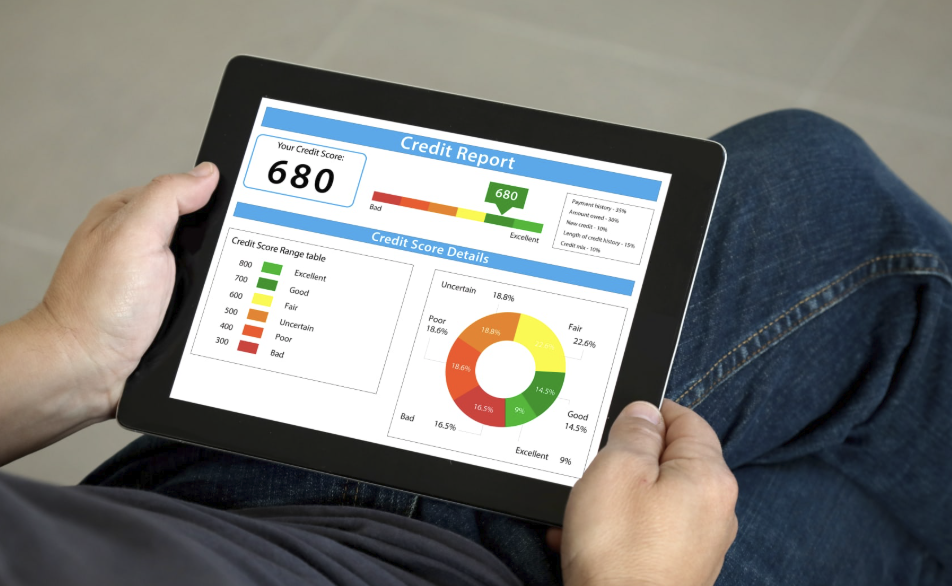
Credit Karma remains one of the most widely used free credit monitoring platforms, offering weekly updates to TransUnion and Equifax-based scores along with a simplified breakdown of factors affecting your score. Experian offers its own free tier with access to your Experian report and FICO score, which is closer to what many lenders pull compared to the VantageScore model used elsewhere.
Many credit card issuers, including Discover, Capital One, and Chase, now provide a free FICO score directly on the cardholder’s account dashboard, often updated monthly, without requiring a separate sign-up.
Combining a couple of these free tools gives broader coverage than relying on just one, since each service tends to pull from a different bureau or scoring model. A person using both a bank-provided FICO score and a Credit Karma account, for instance, gets visibility into two different bureaus and two different scoring models without paying for either.
- Credit Karma: Free weekly TransUnion and Equifax score tracking with a plain-language score factor breakdown.
- Experian free tier: Provides an Experian-based FICO score, often closer to what lenders use than a VantageScore.
- Card issuer dashboards: Discover, Capital One, and Chase, among others, provide a free FICO score directly within the account portal.
- AnnualCreditReport.com: The federally mandated source for a free full credit report from all three bureaus.
Paid Monitoring Services and What They Add

Paid credit monitoring services, whether standalone products or bundled into identity theft protection plans, typically add more frequent monitoring across all three bureaus rather than just one or two, daily rather than weekly updates, and dark web scanning for exposed personal information tied to your credit identity. Some paid tiers also include identity theft insurance and a dedicated recovery specialist, similar to what dedicated identity protection services offer, blurring the line between a pure credit monitoring product and a broader identity protection subscription.
For most people with a stable financial situation and no active credit disputes, the added frequency and bureau coverage of a paid plan add convenience rather than a necessity, since the free options already catch most real changes within a week. For someone actively managing a credit dispute, rebuilding credit after a period of financial trouble, or applying for a major loan like a mortgage in the near future,
the more frequent updates of a paid plan can provide earlier notice of a change that needs attention.
- Tri-bureau monitoring: Paid plans typically monitor all three bureaus rather than just one or two.
- Daily updates: Faster refresh rates compared to the weekly updates common on free platforms.
- Bundled insurance: Some paid credit monitoring plans include identity theft insurance similar to dedicated identity protection services.
- Dispute support: Premium tiers sometimes include direct help disputing an error with the bureaus on your behalf.
Knowing What Moves Your Score
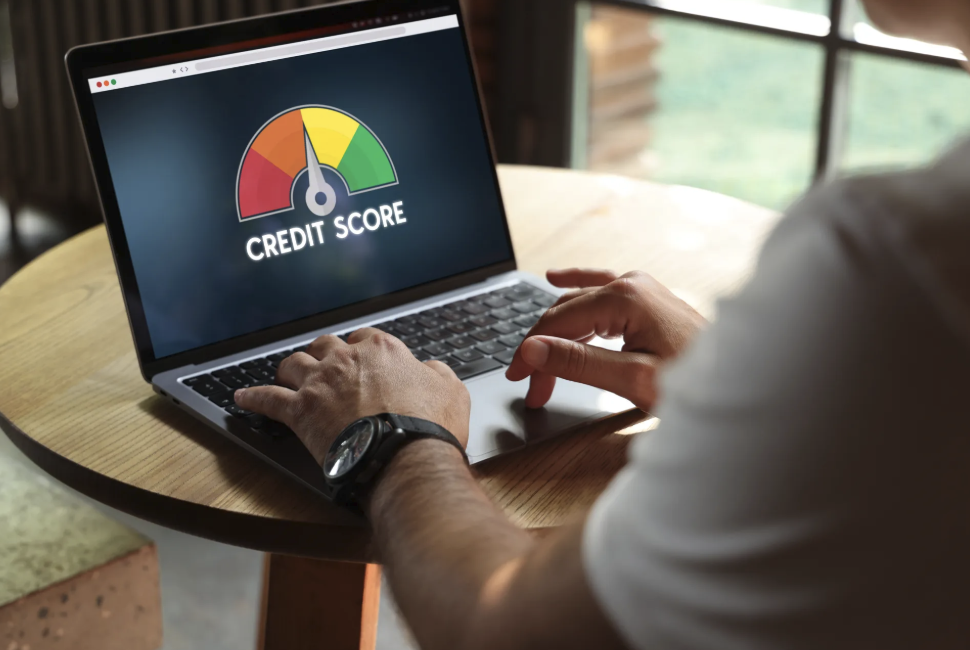
Regardless of which monitoring tool you use, knowing what factors drive score changes matters more than the monitoring itself. Payment history carries the heaviest weight in most scoring models, meaning a single missed payment can cause a sharper drop than almost any other single factor. Credit utilization, the percentage of available credit currently in use, is the second most heavily weighted factor for most people, and keeping utilization well below the commonly cited thirty percent threshold tends to support a stronger score.
The length of credit history, the mix of credit types, such as revolving credit cards versus installment loans, and the number of recent hard inquiries round out the remaining factors in most scoring models. Closing an old credit card, even one rarely used, can shorten average account age and reduce available credit, both of which can lower a score temporarily, which is why many financial advisors recommend keeping old accounts open, even at zero balance, rather than closing them once a balance is paid off.
- Payment history: The single heaviest factor in most scoring models, making on-time payments the top priority.
- Credit utilization: Keeping balances well below available credit limits supports a stronger score.
- Length of history: Older accounts help average account age, which is part of why closing old cards can hurt a score.
- Credit mix and inquiries: A mix of credit types and limited recent hard inquiries round out the remaining scoring factors.
Disputing Errors on Your Credit Report
Errors on a credit report are common enough that periodic review of the full report, not just the score, is worth doing at least once a year through AnnualCreditReport.com. Common errors include accounts that don’t belong to you, incorrect balances, accounts reported as late when payments were on time, and outdated information that should have aged off the report after the standard reporting period.
Each bureau has its own dispute process, typically initiated online, and is required by law to investigate a dispute within thirty days.
Documenting the dispute with supporting evidence, such as bank statements or payment confirmations, strengthens the case and speeds up resolution. If a dispute is denied and you believe the bureau’s decision is wrong, escalating to the Consumer Financial Protection Bureau or seeking help from a nonprofit credit counseling service are both viable next steps beyond simply accepting the bureau’s initial finding.
Building Better Credit Habits Over Time
Monitoring a score is only useful if it leads to action when something changes, and building a few consistent habits does more for long-term credit health than any single tool. Setting up automatic payments for at least the minimum due on every account removes the risk of a forgotten payment turning into a reported late mark. Checking utilization before a statement closing date, rather than after, allows for a payment that brings the reported balance down before it’s captured and sent to the bureaus.
Reviewing a full credit report annually, even without a specific concern prompting it, catches errors and fraud that day-to-day score monitoring alone might miss, since a shift in the underlying report doesn’t always move the score enough to trigger an alert from a monitoring app.
Credit Freezes, Locks, and Alerts
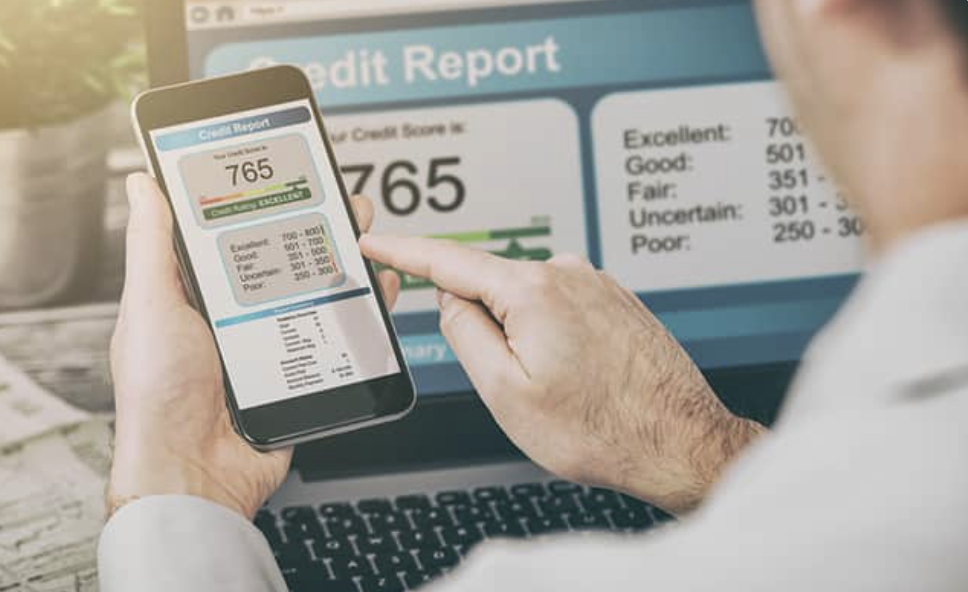
Beyond monitoring, most bureaus and monitoring apps also offer tools that actively restrict access to your credit file rather than just watching for changes. A credit freeze blocks lenders from viewing your report entirely, which stops most new account fraud outright, while a credit lock, offered by some services as a convenience feature, works similarly but through a faster app-based toggle rather than a formal freeze request.
A fraud alert, which lasts one year and can be renewed, asks lenders to take extra verification steps before approving new credit in your name, offering a lighter-touch option than a full freeze for people who apply for credit occasionally.
Each of these tools serves a different purpose alongside monitoring. Monitoring tells you after something has changed, while a freeze or lock prevents the change from happening in the first place, at least for new account fraud specifically. Combining a freeze with periodic monitoring gives strong baseline protection: the freeze blocks most new fraud attempts, and monitoring catches anything else, like unauthorized charges on an existing account, that a freeze alone wouldn’t stop.
- Credit freeze: Blocks lenders from accessing your report, effectively stopping most new account fraud.
- Credit lock: A faster, app-based version of a freeze offered by some bureaus as a paid convenience feature.
- Fraud alert: Requires extra verification for new credit applications, lasting one year and renewable.
- Security freeze removal: Temporary or permanent unfreezing is required before applying for new credit yourself.
Establishing Credit as a Renter or Young Adult
People early in their financial lives, including young adults building credit for the first time and renters without a mortgage, benefit from credit monitoring in ways that differ from an established homeowner managing multiple accounts. A thin credit file, meaning few accounts and a short history, makes even small changes, like a single missed payment or a new account, move the score by a larger margin than it would for someone with a longer, more established file. Monitoring during this period helps catch mistakes early, before a habit of late payments compounds into a larger problem.
Rent payments themselves traditionally weren’t reported to credit bureaus at all, though a growing number of services now let renters opt into rent reporting, which can help build a credit history using a payment that was already being made every month regardless. For someone with little other credit activity, this can be one of the more accessible ways to establish a positive payment history without taking on new debt specifically to build credit.
- Thin credit files: Fewer accounts mean each new item, positive or negative, moves the score by a larger margin.
- Rent reporting services: Let renters add monthly rent payments to their credit history, building a positive track record.
- Secured credit cards: A common starting point for building credit, backed by a refundable deposit as collateral.
- Authorized user status: Being added to a family member’s well-managed credit card can help build history without opening a new account directly.
Looking Beyond the Score at the Full Report

The score gets most of the attention, but the underlying report contains details worth reading on their own terms at least once a year. The report lists every open and closed account, the payment history for each going back several years, the balance and credit limit on revolving accounts, and a section on hard inquiries from the past two years. It also lists public records, though the scope of what’s included here has narrowed over recent years as most civil judgments and many types of liens were removed from credit reports industry-wide.
Reading through the full account list catches things a score alone won’t reveal, like an old account you forgot you had that’s still reporting a balance, or a joint account tied to an ex-partner or former roommate that should have been closed or removed after a shared living or financial arrangement ended.
Because each bureau’s file can differ slightly, pulling all three reports rather than relying on just one gives a more complete picture of what different lenders might see when they check your file.
Final Thoughts
For anyone planning a major purchase that requires financing, like a car or a home, timing credit monitoring and any cleanup work well in advance of the application matters more than checking on the
day of the purchase. Disputing an error, paying down a balance to lower utilization, or waiting out an old collection account aging off the report all take weeks to months to reflect fully, so starting this process three to six months before a planned application gives enough runway for changes to show up before a lender pulls the report.
Avoiding new credit applications and large purchases on existing cards in the months leading up to a major loan application also helps, since both new inquiries and rising balances can lower a score at exactly the moment a strong number matters most for securing a favorable interest rate.
Read more about Techsipra
Frequently Asked Questions
Does checking my own credit score lower it?
No. Checking your own score or report is considered a soft inquiry and has no effect on your credit score, regardless of how often you check it through a monitoring app or website.
Why do I see different scores from different apps?
Different apps often use different scoring models, like FICO versus VantageScore, and pull from different bureaus, which can result in scores that differ by a noticeable margin even though they’re describing the same underlying credit history.
Is Credit Karma accurate for what lenders will see?
It’s a reasonable directional indicator, but Credit Karma’s VantageScore may differ from the FICO score a specific lender pulls during an application, so treat it as a general guide rather than the exact number a lender will use.
How often should I check my credit report?
Checking the full report at least once a year through AnnualCreditReport.com is a reasonable baseline, with more frequent checks worthwhile during periods of active credit activity, like applying for a mortgage or recovering from identity theft.
Can I get my credit score for free without signing up for anything ongoing?
Yes, many credit card issuers display a free score directly in your existing account dashboard, and AnnualCreditReport.com provides a free full report without requiring a monitoring subscription.
Is paid credit monitoring worth it if I already use free tools?
For most people with a stable financial life, free tools cover the core need adequately. Paid monitoring becomes more worthwhile during active credit disputes, a major loan application process, or after a data breach exposing your personal information.