

Every car comes with a maintenance schedule buried somewhere in the owner’s manual, but few drivers read it closely enough to know which services are truly needed on time and which are padded into service center visits to boost the invoice. Skipping a service the car truly needs can shorten the life of an engine or transmission, while paying for unnecessary flushes and inspections drains money that could go toward more pressing repairs.
This guide separates the maintenance tasks backed by manufacturer recommendations and mechanical necessity from the upsells that tend to pad a shop’s bottom line, and explains how to read your own vehicle’s schedule with a more critical eye.
Reading Your Owner’s Manual Correctly
The maintenance schedule in your owner’s manual is written by the manufacturer and reflects the intervals the automaker believes will keep the vehicle running reliably through the warranty period and beyond. Most manuals list two sets of intervals: a “normal” schedule and a “severe” schedule for driving conditions like frequent short trips, extreme heat or cold, towing, or heavy stop-and-go traffic. Many drivers fall into the severe category without realizing it, since short commutes under ten miles and frequent idling both qualify, and using the normal schedule under those conditions can leave a car under-maintained.
Manuals typically organize service by mileage and time, whichever comes first, since some fluids and rubber components degrade with age even if the car sits mostly unused. It helps to keep a copy of the manual’s maintenance table, whether the physical booklet or a PDF from the manufacturer’s website, and cross-reference it against whatever a shop recommends at each visit, since dealership service departments sometimes suggest their own more frequent internal schedule that exceeds what the manufacturer requires.
- Normal schedule: Intervals designed for typical daily driving without extreme conditions or heavy loads.
- Severe schedule: Shorter intervals for frequent short trips, extreme temperatures, dusty roads, or towing.
- Mileage versus time: Services are due at whichever threshold, mileage or elapsed time, comes first.
- Warranty requirements: Skipping scheduled maintenance can void certain warranty claims if a failure is linked to neglect.
Oil Changes and the Myth of the Three-Month Rule
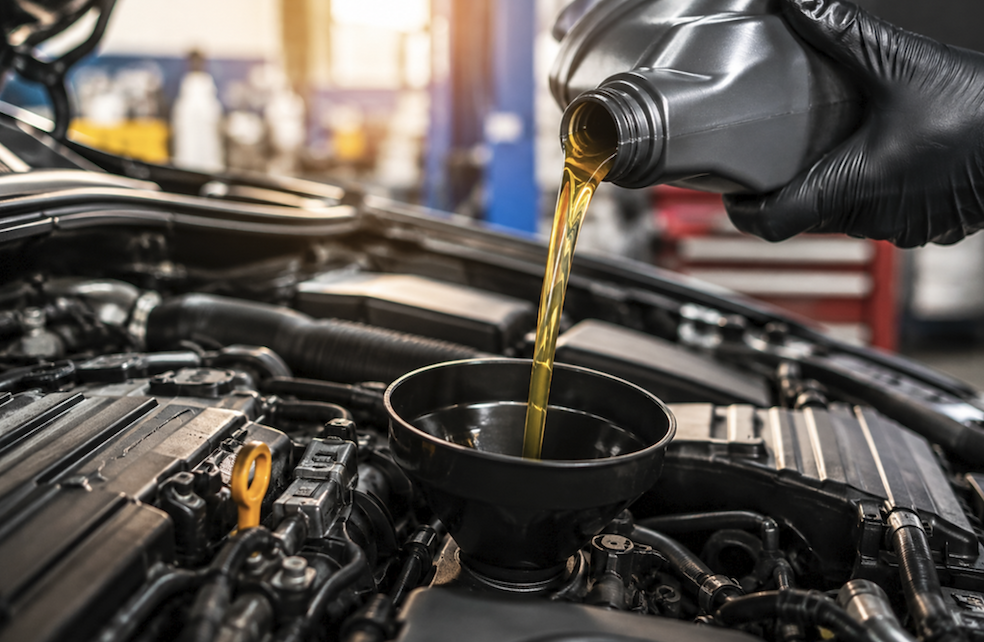
The idea that every car needs an oil change every three months or three thousand miles has persisted long after most modern engines and oils outgrew that requirement. Conventional oil in an older engine may still call for a shorter interval, but synthetic oil, now standard in most new vehicles, is typically rated for five thousand to ten thousand miles or more between changes, depending on the manufacturer’s specification. Following the interval printed in the manual, rather than a shop’s default sticker reminder, avoids paying for oil changes well before they’re needed.
Many modern vehicles also include an oil life monitoring system that calculates wear based on real driving conditions rather than a flat mileage number, adjusting the recommended interval up or down depending on how the car has been driven. Trusting that onboard system, when the vehicle has one, is usually more accurate than a generic sticker left by the last shop that serviced the car.
Brake, Tire, and Fluid Services That Matter
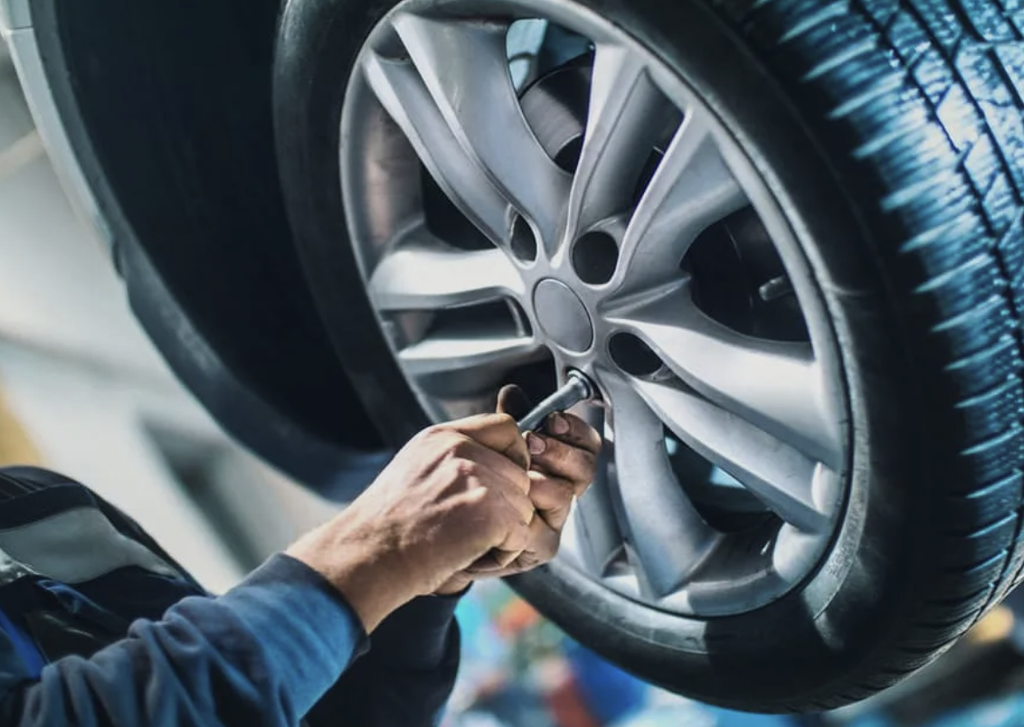
Beyond oil, a handful of services carry real safety and reliability weight. Brake pads wear at a rate that depends heavily on driving style and terrain, so there’s no fixed universal mileage number, but most pads last between thirty thousand and seventy thousand miles, and a shop should measure remaining pad thickness rather than replacing on a calendar alone. Tire rotation, typically recommended every five thousand to eight thousand miles, evens out tread wear across all four tires and can extend the useful life of a tire set noticeably compared to letting front or rear tires wear unevenly.
Transmission fluid, coolant, and brake fluid all degrade over time even without heavy use, since heat cycles and moisture absorption break down their protective properties. Manufacturer intervals for these fluids vary widely, from thirty thousand miles for some transmission fluids to over a hundred thousand miles for long-life coolant formulations, so checking the specific interval for your make and model rather than assuming a one-size-fits-all number avoids both premature replacement and dangerous neglect.
- Brake pads: Replace based on measured thickness rather than a fixed mileage, since wear rates vary by driving style.
- Tire rotation: Even tread wear across all four tires, typically every five thousand to eight thousand miles.
- Coolant: Long-life formulations can last well over one hundred thousand miles, far beyond older short-interval expectations.
- Transmission fluid: Intervals vary widely by vehicle, and some manufacturers specify fluid considered sealed for the vehicle’s life.
- Brake fluid: Absorbs moisture over time and is generally recommended for replacement every two to three years regardless of mileage.
Air Filters, Belts, and Other Wear Items
Engine air filters and cabin air filters are inexpensive parts that are easy to check visually, and many drivers replace them more often than needed simply because a shop flags them at every visit. A quick visual inspection, holding the filter up to a light source, usually reveals whether it needs replacing well before the manufacturer’s suggested interval, which is often somewhere between fifteen thousand and thirty thousand miles depending on driving conditions and local air quality.
Serpentine belts and timing belts, where the vehicle uses one, follow stricter intervals since a failure can cause the engine to stop running or, in the case of an interference engine, cause internal damage. Timing belt replacement intervals, when applicable, usually fall between sixty thousand and one hundred thousand miles and should be followed closely rather than pushed past the recommended window, since the cost of a failed timing belt in an interference engine can include a full engine rebuild.
Services That Are Often Oversold

Certain services show up on service menus more because they generate profit than because most vehicles need them on a fixed schedule. Fuel system cleaning, sold as a stand-alone flush, is rarely needed outside of specific symptoms like rough idling or reduced fuel economy, and modern fuel injectors are generally durable enough to go a long time without a dedicated cleaning service. Engine flushes, marketed as a way to remove sludge before an oil change, can in some cases loosen debris that then clogs oil passages in an older, higher-mileage engine, making the service counterproductive rather than helpful.
Transmission flushes on vehicles the manufacturer lists as having sealed, lifetime transmission fluid are another common upsell, since flushing fluid the manufacturer never intended to be serviced can, in rare cases, cause more harm than leaving it alone. A useful habit is asking a shop to point to the specific manufacturer interval that justifies a recommended service, rather than accepting a generic recommendation at face value.
- Fuel system flushes: Rarely needed outside specific symptoms like rough idle or noticeably reduced fuel economy.
- Engine flushes: Can dislodge sludge that clogs oil passages in older engines, sometimes causing more harm than good.
- Power steering flushes: Often oversold on vehicles with electric power steering that doesn’t use hydraulic fluid at all.
- Nitrogen tire fills: Marketed as superior to regular air, though the practical benefit for typical daily driving is minimal.
Building a Realistic Maintenance Budget
Setting aside a monthly amount for car maintenance, based on the manufacturer’s schedule rather than a shop’s suggested add-ons, makes it easier to handle routine costs without treating each service visit as a surprise expense. A rough approach is to total the manufacturer’s recommended services for the next twelve months, get a general cost estimate for each from a trusted independent shop or dealership, and divide that total across twelve monthly deposits into a dedicated account.
This approach also makes it easier to compare quotes across shops, since you already know what’s due rather than relying entirely on whatever a service advisor recommends during a visit. Independent mechanics are often less expensive than dealership service departments for routine maintenance, though certain warranty-covered repairs may need to go through a dealership to avoid coverage disputes.
Seasonal Checks Worth Adding to the Routine
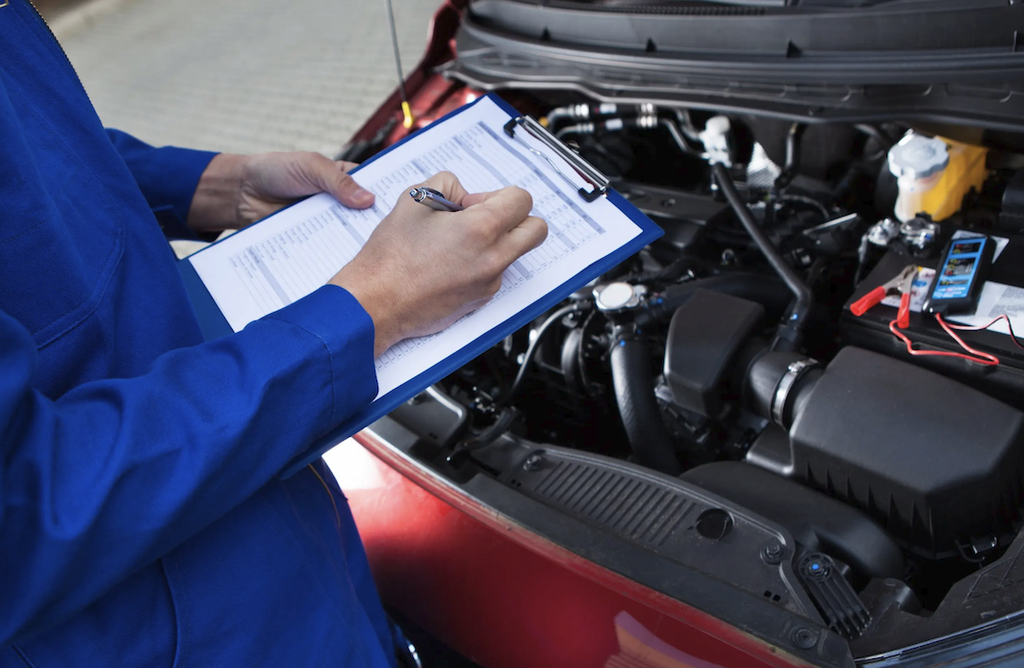
Beyond mileage-based services, a handful of seasonal checks catch problems before they turn into breakdowns. Battery health tends to decline in extreme heat as much as in cold weather, so a load test before summer and before winter can flag a battery that’s on its way out before it leaves you stranded in a parking lot. Wiper blades degrade from UV exposure and should be inspected before the rainy or snowy season starts rather than after the first storm reveals streaking or skipping.
Tire pressure deserves a monthly check regardless of season, since pressure drops roughly one pound per square inch for every ten-degree drop in outside temperature, and an underinflated tire wears unevenly and reduces fuel economy. Checking pressure with a reliable gauge rather than relying on a dashboard warning light, which typically only triggers once pressure is already notably low, catches the problem earlier.
- Battery load test: Best done before extreme summer heat and again before winter cold sets in.
- Wiper blades: Replace before the season that needs them most rather than after visibility already suffers.
- Tire pressure: Check monthly with a gauge, since temperature swings shift pressure without a slow leak being present.
- Washer fluid: Top off with a formula rated for the season, since summer fluid can freeze in a winter cold snap.
Warning Signs That Shouldn’t Wait for a Scheduled Visit
Some symptoms call for an inspection regardless of where the car sits in its maintenance schedule. A grinding or squealing sound while braking usually signals worn pads reaching the end of their life, and continuing to drive on badly worn pads risks damaging the rotors, turning a moderate repair into a more expensive one. A burning smell, a dashboard warning light that wasn’t there before, or a noticeable change in how the car handles are all reasons to schedule an inspection sooner rather than waiting for the next scheduled interval.
Fluid leaks are also worth investigating promptly rather than ignoring until the next oil change. A dark puddle under the engine suggests an oil leak, a sweet-smelling puddle often points to coolant, and a puddle with a distinct chemical smell near the front wheels can indicate a brake fluid or power steering leak. Identifying the color and location of a leak before it becomes a larger problem can save a mechanic diagnostic time and can save the owner from a more costly repair down the road.
- Grinding brakes: A sign that pads have worn through and metal is contacting the rotor directly.
- Dashboard warning lights: A new light, especially one for the engine or oil pressure, deserves prompt attention rather than a wait-and-see approach.
- Fluid puddles: Color and location can point toward the source of a leak before a mechanic even looks under the hood.
- Unusual vibration: Often linked to tire balance, alignment, or a brake rotor issue, and worth checking before it worsens.
Keeping Records That Help
A simple maintenance log, whether a notebook kept in the glove box or a spreadsheet on a phone, pays off in ways that are easy to overlook. It gives a shop a clear history to work from instead of guessing what was last done, it supports a resale or trade-in value claim when the time comes to sell the car, and it makes it easier to spot patterns, like a battery that seems to fail every three years or brake pads that wear faster than the manual’s estimate suggests for your specific driving habits.
Many manufacturers now track service history digitally through a connected app or a dealership’s internal system, but that record can be incomplete if some services were done at an independent shop instead. Keeping a personal log, even a basic one listing date, mileage, and service performed, fills that gap and gives you a complete picture regardless of where the work was done.
- Service date and mileage: The two data points that matter most for tracking when the next service is due.
- Shop and technician: Useful for follow-up questions or warranty claims tied to a specific repair.
- Parts used: Brand and part number for filters, pads, or fluids, in case a specific brand performs better or worse over time.
- Receipts: Keeping physical or scanned copies supports resale value and any future warranty disputes.
Final Thoughts
A car maintenance schedule works best as a reference point rather than a set of rules to follow blindly from a shop’s recommendation sheet. The manufacturer’s manual, cross-referenced against your real driving conditions, gives a more accurate picture of what’s due than a generic sticker or a service advisor’s upsell list.
Oil changes, tire rotations, and fluid replacements tied to real intervals protect the vehicle without wasting money on flushes and services with little proven benefit.
Building a modest monthly maintenance budget based on that realistic schedule turns car ownership costs into something predictable rather than a source of recurring financial stress, and it puts you in a stronger position to question unnecessary add-ons at every visit.
Read more about Techsipra
Frequently Asked Questions
How often should tires be rotated?
Most manufacturers recommend rotation every five thousand to eight thousand miles, often aligned with an oil change interval so both services happen in the same visit.
Is synthetic oil worth the extra cost over conventional oil?
For most modern engines, yes. Synthetic oil handles heat and stress better than conventional oil, allows for longer intervals between changes, and is often required by the manufacturer for the vehicle’s warranty to remain valid.
Does skipping a scheduled service void my warranty?
Only if a failure can be traced to that missed service. Manufacturers generally cannot void an entire warranty over one skipped oil change, but they can deny a specific claim if neglect caused the failure being claimed.
What should I do if a shop recommends a service my manual doesn’t mention?
Ask the shop to point to the specific manufacturer interval or symptom that justifies the recommendation. If they can’t, it’s reasonable to decline and seek a second opinion before authorizing the work.
How do I know if I’m driving under severe conditions?
Frequent short trips under ten miles, extreme heat or cold, dusty or unpaved roads, heavy traffic, and towing all typically qualify as severe conditions under most manufacturer definitions, even if the driving doesn’t feel extreme day to day. Many city commuters technically fall under the severe schedule without realizing it, simply because stop-and-go traffic and short trips prevent the engine from fully reaching operating temperature.
Can I do basic maintenance myself to save money?
Yes. Tasks like air filter replacement, wiper blade changes, and even oil changes are within reach for many drivers with basic tools and a bit of guidance, and doing them yourself can lower the cost of ownership over time without sacrificing reliability. More involved work, like brake pad replacement or timing belt service, is still worth leaving to a trained mechanic unless you already have mechanical experience, since a mistake in those areas carries safety consequences that a missed oil change simply doesn’t.