
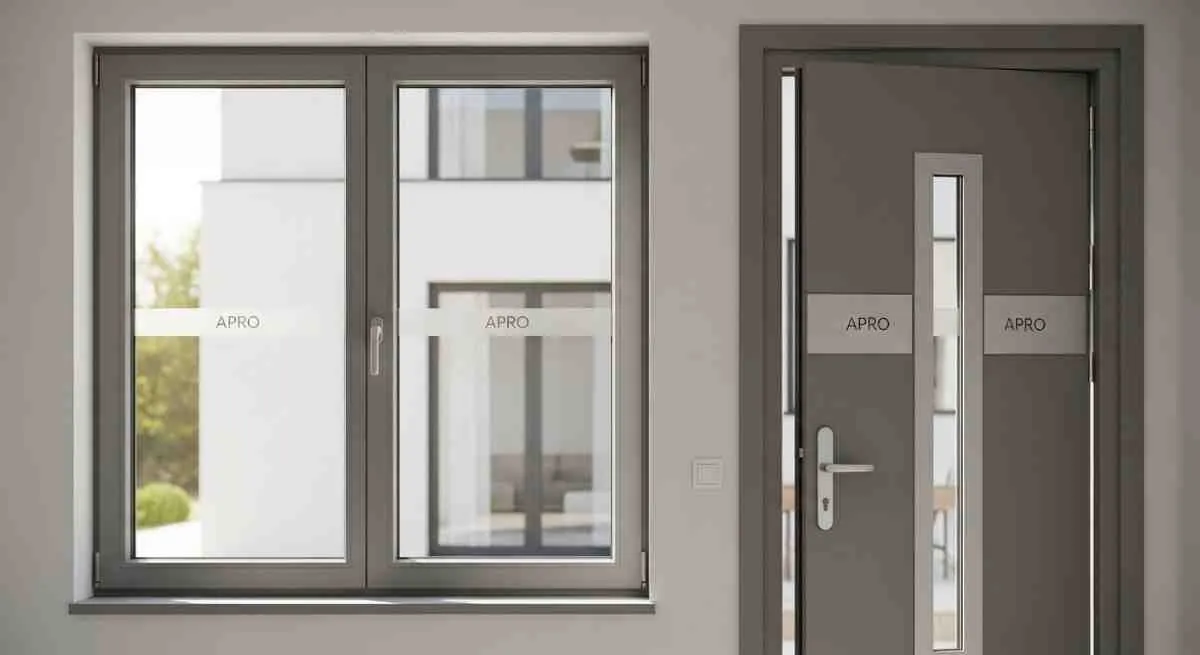
Modern architecture demands more than just aesthetic appeal—it requires intelligent building solutions that balance design, performance, and sustainability. Aluminum doors and windows have emerged as the premier choice for architects, builders, and homeowners seeking durable, energy-efficient, and customizable fenestration systems. Whether you’re constructing a residential villa, a commercial high-rise, or renovating an existing structure, understanding the specifications, benefits, and installation considerations of aluminum systems is essential for making informed decisions.
This comprehensive guide explores everything you need to know about custom aluminum doors and windows from https://www.aprodoor.com/, from product types and thermal performance to installation processes and cost considerations. You’ll discover how modern aluminium frames with thermal breaks and low-E glass can dramatically reduce energy consumption, how to select the right glazing types for your climate, and which industry standards ensure quality and longevity. By the end of this article, you’ll be equipped with the knowledge to specify, purchase, and maintain aluminum fenestration systems that enhance both the comfort and value of your building.
Why Choose Aluminum Doors & Windows?
Aluminum has revolutionized the fenestration industry, offering unmatched versatility and performance characteristics that traditional materials simply cannot match. The inherent strength-to-weight ratio of aluminium frames allows for slimmer profiles and larger glass areas, creating the expansive views and abundant natural light that define contemporary architecture.
Durability and Longevity
Unlike wood, which warps, rots, and requires frequent maintenance, or vinyl, which can crack and discolor under UV exposure, aluminum maintains its structural integrity and appearance for decades. Properly specified aluminum window frames typically last 30-45 years with minimal maintenance, making them a sound long-term investment. The material’s natural resistance to corrosion, especially when treated with anodized or powder-coated finishes, ensures performance in harsh coastal environments, industrial zones, and extreme weather conditions.
Energy Efficiency and Thermal Performance
Modern energy-efficient windows featuring thermal break aluminum frames have transformed aluminum’s reputation in energy conservation. Early aluminum systems suffered from thermal bridging—the tendency of the highly conductive metal to transfer heat rapidly between interior and exterior. Today’s heat insulation windows incorporate polyamide thermal breaks that physically separate the interior and exterior aluminum profiles, dramatically reducing heat transfer.
When combined with low-E glass and argon gas fills, contemporary aluminum systems achieve U-values as low as 0.25 BTU/(hr·ft²·°F), meeting or exceeding NFRC certification standards for even the coldest climate zones. These heat-insulating awning windows for tropical climates and northern temperate regions alike can reduce HVAC costs by 20-40% compared to older single-pane systems, delivering measurable return on investment.
Acoustic Performance
Urban environments and properties near highways, airports, or commercial districts benefit tremendously from sound reduction windows. Aluminum’s structural rigidity provides an excellent foundation for acoustic glazing systems. By specifying laminated glass, dissimilar glass thicknesses, and wide air spaces, acoustic windows can achieve Sound Transmission Class (STC) ratings of 38-45, reducing exterior noise by 80-95%. This transforms noisy streets into quiet, comfortable living and working spaces.
Customization and Design Flexibility
The malleability of aluminum during extrusion allows manufacturers to create virtually any profile shape, enabling unlimited design possibilities. Whether you’re seeking ultra-slim sightlines for minimalist aesthetics or robust commercial frames for high-traffic applications, aluminum delivers. Anodized powder-coated finish options span hundreds of RAL colors and wood-grain textures, allowing perfect coordination with any architectural style. Custom aluminum doors for modern homes can feature oversized panels up to 10 feet wide, while specialty shapes like arches, circles, and trapezoids present no manufacturing obstacles.
Sustainability and Environmental Responsibility
Aluminum is infinitely recyclable without quality degradation, and approximately 75% of all aluminum ever produced remains in use today. The energy required to recycle aluminum is just 5% of that needed for primary production, making recycled aluminum an environmentally responsible choice. Many manufacturers now offer systems with 80-90% recycled aluminum content while maintaining full structural performance specifications.
Types & Systems: Comprehensive Product Overview
Understanding the range of aluminum fenestration products available helps you select the optimal solution for each application within your project.
Aluminum Doors
Modern aluminum door systems combine security, weather resistance, and aesthetic refinement in configurations suited to every entrance requirement.
Sliding Door Systems
Custom aluminum sliding door for modern homes offers effortless operation and space efficiency. These systems feature multi-point locking, stainless steel rollers rated for 100,000+ cycles, and narrow stiles that maximize glass area. Lift-and-slide variants for oversized panels (up to 12 feet wide, 10 feet tall) use hydraulic mechanisms that lift panels slightly during operation, reducing friction and extending hardware life. Weather seals typically achieve air infiltration rates below 0.01 cfm/ft², and water penetration resistance exceeds 12 psf.
Bifold Door Systems
Bifold door configurations collapse panels to one or both sides, creating true indoor-outdoor transitions. Premium systems use top-hung designs where panels suspend from overhead tracks, eliminating floor thresholds that impede accessibility and water drainage. Panel counts range from 2 to 8, spanning openings up to 40 feet. Architectural-grade weather seals and interlocking mechanisms ensure thermal and acoustic performance comparable to fixed windows.
Pivot Door Systems
Pivot door designs rotate on offset hinges, creating dramatic entrances with panels up to 12 feet tall and 5 feet wide. The offset pivot point (typically 4-6 inches from the panel edge) allows oversize panels to swing smoothly with minimal force while maintaining weather sealing integrity. Hidden floor pivots and overhead supports carry panel weight independently of frames, enabling ultra-slim profiles and continuous sightlines.
Hinged and Patio Doors
Traditional hinged door and patio door configurations remain popular for their simplicity and security. Modern aluminum versions feature concealed hinges, multi-point locking with anti-lift pins, and adjustable weatherstripping. French door variations with divided lites maintain historical aesthetics while delivering contemporary thermal performance.
Aluminum Windows
Window selection dramatically impacts both interior comfort and building energy consumption, making proper system specification critical.
Sliding Window Systems
Sliding window designs suit horizontal openings where outward projection is undesirable. Contemporary systems use tandem rollers and precision guides to ensure smooth operation across panels up to 8 feet wide. Dual-track configurations allow both panels to slide, while triple-track systems accommodate screens and storm panels. Interlock weatherstripping and compression seals achieve performance ratings suitable for commercial and residential applications.
Casement Window Systems
Casement window configurations hinge at the side, swinging outward to capture breezes and provide unobstructed ventilation. Multi-point locking distributes sealing pressure evenly around the perimeter, optimizing both security and weather resistance. Friction stays control opening angle and prevent slamming, while hidden drainage ensures water exits without staining façades.
Awning Window Systems
Awning window units hinge at the top, projecting outward to provide ventilation even during light rain. These excel in bathrooms, basements, and as transom windows above doors. When specified with proper overhangs and drip edges, they maintain weather protection while enhancing natural ventilation strategies crucial for passive building design.
Tilt and Turn Window Systems
Tilt and turn window European-style systems offer dual functionality: tilting inward at the top for secure ventilation or swinging fully inward for cleaning and emergency egress. Single-lever hardware controls both functions, while multi-chambered perimeter seals achieve exceptional thermal and acoustic performance. These systems particularly suit high-rise applications where exterior cleaning access is limited.
Picture Window and Bay Window Systems
Picture window fixed units maximize views and natural light while offering optimal thermal performance due to lack of operable hardware. Bay window projections combine fixed center panels with operable flankers, creating interior space and architectural interest. Structural reinforcement and proper flashing details ensure these projecting assemblies perform reliably across all climate zones.
Curtain Walls & Window Walls
Large-scale glazing systems define modern commercial architecture, with aluminum playing the central structural role.
Unitized Curtain Wall Systems
Unitized curtain wall assemblies arrive at the job site as complete, factory-glazed panels that install from the building interior, dramatically accelerating construction schedules. Interlocking vertical and horizontal mullions create continuous weatherbarriers while accommodating structural movement. Thermal breaks span the full perimeter, and pressure-equalized rainscreen principles ensure water never penetrates to the interior. These commercial curtain wall system for high-rise buildings can span floor-to-floor heights of 18 feet and resist wind loads exceeding 80 psf.
Stick-Built Curtain Wall Systems
Stick systems install mullions first, with glazing installed afterward—a traditional approach offering maximum field customization. While slower than unitized methods, stick systems suit renovation projects, complex geometries, and situations where crane access is limited. Performance matches unitized systems when properly detailed and installed.
Spider Curtain Wall Systems
Spider curtain wall point-supported glazing uses stainless steel “spider” fittings at glass corners, eliminating framing entirely for maximum transparency. Structural aluminum beams behind the glass plane carry loads, while flexible joints accommodate thermal expansion and building movement. These dramatic systems demand precise engineering but deliver unparalleled architectural impact.
Window Wall Systems
Window wall assemblies install between floor slabs rather than spanning them, simplifying structural requirements. Pre-assembled units include spandrel panels, vision glass, and integral shading devices, offering value-engineering opportunities for mid-rise construction. Thermal performance approaches that of curtain walls while installation complexity remains lower.
Glass Railings & Office Partitions
Aluminum’s strength makes it ideal for transparent barrier systems that maintain openness while ensuring safety.
Glass Railing Systems
Aluminium glass railing for rooftop deck installation provides code-compliant fall protection without obstructing views. Systems range from framed designs with continuous top and bottom rails to frameless approaches where glass panels insert into base channels with minimal visual interruption. Structural calculations ensure 200-pound load capacity at top rail heights per IBC requirements, while drainage details prevent water accumulation and ice formation.
Office Partition Systems
Bespoke office partition glass systems for open-plan offices balance privacy, acoustics, and visual connectivity. Frameless glass partition designs use floor-to-ceiling tempered or laminated glass with minimal hardware for maximum transparency, while framed glass partition system configurations incorporate aluminum mullions for greater structural capacity and acoustic performance. Demountable systems allow reconfiguration without waste, supporting adaptive reuse strategies.
Performance & Specifications: Understanding Technical Standards
Selecting aluminum systems requires understanding performance metrics and how they translate to real-world comfort and energy savings.
Thermal Performance Metrics
U-Factor (U-Value): Measures overall heat transfer through the complete assembly (frame, glass, spacer). Lower numbers indicate better insulation. NFRC certified aluminum windows and doors achieve U-factors ranging from 0.20 to 0.50 BTU/(hr·ft²·°F) depending on glazing and frame configuration.
Solar Heat Gain Coefficient (SHGC): Indicates solar radiation transmission, with values from 0 to 1. Lower SHGC reduces cooling loads in hot climates; higher SHGC provides passive solar heating in cold regions. Energy-efficient aluminium windows for villas typically specify SHGC between 0.25 and 0.40.
R-Value: The inverse of U-factor (R = 1/U), commonly used in insulation discussions. Higher R-values indicate better thermal resistance.
| Climate Zone | Recommended U-Factor | Recommended SHGC |
|---|---|---|
| Hot-Humid (Miami) | ≤ 0.40 | ≤ 0.25 |
| Mixed-Humid (Philadelphia) | ≤ 0.32 | 0.25-0.40 |
| Cold (Chicago) | ≤ 0.27 | ≥ 0.35 |
| Very Cold (Minneapolis) | ≤ 0.24 | ≥ 0.40 |
Source: NFRC performance criteria aligned with ENERGY STAR Version 7.0 requirements
Thermal Break Technology
Thermal break aluminum frames incorporate low-conductivity polyamide or polyurethane strips between interior and exterior aluminum sections, reducing heat transfer by 40-60% compared to non-thermally broken frames. Polyamide strips typically measure 20-35mm wide in commercial systems and 15-25mm in residential applications. Continuous thermal breaks outperform segmented designs, ensuring no metallic bridging paths remain.
Glazing Types and Selection
Low-E Glass: Microscopically thin metallic coatings reflect infrared radiation while transmitting visible light. Low-E coatings on surface 2 (cavity-side of exterior lite) optimize solar control; on surface 3 they maximize heat retention. Triple-pane assemblies with two Low-E coatings achieve U-factors below 0.20.
Acoustic Glazing: Laminated glass with thick PVB interlayers (1.52-2.28mm) significantly outperforms monolithic glass for sound reduction. Asymmetric configurations (6mm + 8mm) with wide air spaces (typically 150mm) achieve optimal acoustic performance by avoiding resonance frequencies. STC ratings of 40+ reduce exterior noise by approximately 87%.
Tempered and Laminated Safety Glass: Building codes mandate safety glazing in doors, sidelites, and low-height windows. Tempered glass shatters into small, blunt fragments; laminated glass remains intact when broken, providing security and hurricane protection.
Gas Fills: Argon (most common) and krypton (higher performance, higher cost) replace air in sealed units, reducing convective heat transfer. Proper gas retention requires high-quality spacers and sealants to maintain concentrations above 90% over the unit’s 20-year warranty period.
Acoustic Performance
Sound reduction windows address specific noise frequencies based on glazing configuration:
- Traffic Noise (dominant frequencies 500-2000 Hz): 6mm + 8mm laminated glass with 12mm air space achieves STC 38-40
- Aircraft Noise (dominant frequencies 400-800 Hz): Thicker laminates (10mm + 12mm) with wider cavities (150mm) achieve STC 42-45
- Industrial Noise (broad spectrum): Triple-glazed assemblies with varied glass thicknesses and two cavities achieve STC 45+
Relevant Standards and Certifications
NFRC Certification: The National Fenestration Rating Council provides independent verification of thermal performance. Look for NFRC labels displaying actual tested U-factor, SHGC, and visible transmittance values. According to NFRC test methods, labeled products undergo annual audits to ensure ongoing compliance.
ENERGY STAR Certification: Products meeting climate-zone-specific performance criteria receive ENERGY STAR labels, simplifying specification for energy-efficient windows applications and often qualifying for utility rebates.
AS2047 Standards: Australian/New Zealand standards for windows, doors, and curtain walls specify structural adequacy, weather resistance, and operational performance through rigorous testing protocols. Commercial projects frequently reference AS2047 for specification baselines.
ASTM Standards: American Society for Testing and Materials publishes performance standards for air infiltration (E283), water penetration (E547), structural loading (E330), and forced-entry resistance (F588).
ISO Standards: International standards for façades & glazing provide globally recognized performance criteria, particularly relevant for international projects and export specifications.
Finish & Hardware Options: Customization Details
Surface finishes and hardware selections dramatically impact both appearance and longevity.
Anodized Finishes
Anodizing converts aluminum’s surface into a durable, corrosion-resistant oxide layer through electrochemical process. Class I anodizing (0.7+ mils) provides optimal durability for architectural applications, available in clear, bronze, black, and champagne. The process maintains aluminum’s metallic appearance while providing superior UV resistance compared to organic coatings.
Powder-Coated Finishes
Anodized powder-coated finish options offer unlimited color possibilities through electrostatically applied polymer powder cured at high temperatures. AAMA 2604 ratings (institutional quality, 10-year warranty) suit most applications, while AAMA 2605 (architectural quality, 30-50 year warranty) specifications provide maximum durability for harsh environments. Super-durable fluoropolymer coatings resist fading, chalking, and chemical attack, maintaining appearance for decades.
Wood-Grain and Custom Textures
Sublimation processes transfer photographic-quality wood grain patterns onto powder-coated surfaces, delivering timber aesthetics with aluminum performance. Over 200 standard patterns replicate oak, walnut, mahogany, and contemporary grays, while custom patterns accommodate any design vision.
Hardware and Operating Systems
Multi-Point Locking: Contemporary aluminum door hardware incorporates multi-point locking with shoot bolts engaging at head, sill, and hinge jamb for superior security and weathersealing. Grade 1 commercial locks meet ANSI/BHMA 156.5 standards for 800,000+ operating cycles.
Smart Lock Integration: Modern systems increasingly accommodate electronic locks, keyless entry, and smart home integration. Low-voltage strikes, concealed wiring channels, and optional battery compartments enable technology upgrades without compromising thermal performance or aesthetics.
Weather Seals: Multiple seal strategies—compression gaskets, fin seals, and interlocking weatherstripping—work together to exclude air and water. Silicone and EPDM materials maintain flexibility across temperature extremes, while proper seal compression through adjustable hardware ensures long-term performance.
Threshold Options: Low-profile thresholds (under 5/8″) meet accessibility requirements while maintaining water resistance through strategic drainage and damming. Thermally broken sills prevent condensation and ice formation while optimizing energy performance.
Installation, Warranty & After-Sales: Ensuring Long-Term Performance
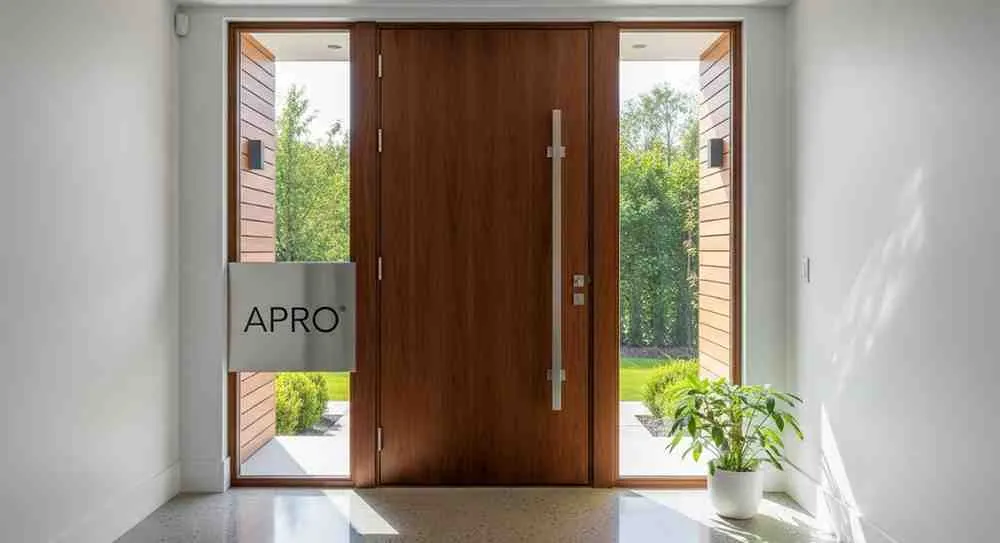
Proper installation proves as critical as product selection for achieving rated performance and longevity.
Installation Process Overview
Site Survey and Measurement: Accurate field dimensions account for structural tolerances, out-of-plumb conditions, and coordination with adjacent trades. Laser scanning and 3D modeling increasingly supplement traditional measurement for complex projects.
Shop Drawings and Approval: Detailed fabrication drawings showing frame dimensions, hardware locations, glazing specifications, and installation details undergo review by architects and structural engineers before production begins.
Manufacturing: Computer-controlled cutting, machining, and assembly ensure precision and consistency. Factory glazing reduces field labor and weather exposure while enabling quality control in controlled environments.
Delivery and Staging: Just-in-time delivery sequences coordinate with construction schedules, minimizing on-site storage requirements and damage risk. Protective packaging prevents scratching and impact damage during handling.
Installation: Frames install into prepared openings with continuous structural support and proper shimming. Three-dimensional adjustment accommodates building tolerances while maintaining proper reveals and alignment. Installation & after-sales service teams seal perimeters with compatible sealants rated for 20+ year service life, ensuring air and water barriers integrate with building envelope systems.
Waterproofing and Flashing: Proper flashing creates lapped, shingled assemblies directing water away from vulnerable joints. Self-adhering membranes, metal flashings, and compatible sealants work together as complete water management systems, not isolated components.
Commissioning and Testing: Post-installation testing verifies performance before occupancy. Calibrated air leakage testing, spray rack water penetration testing, and operational checks ensure systems meet specifications.
Warranty Considerations
Comprehensive warranties typically include:
- Frame Warranty: 10-20 years covering structural integrity, finish durability, and freedom from defects
- Glass Warranty: 10-20 years for seal failure resulting in fogging between lites
- Hardware Warranty: 2-10 years depending on component type and quality grade
- Installation Warranty: 1-5 years covering water infiltration and installation defects
Review warranty exclusions carefully—many exclude damage from improper maintenance, harsh cleaning chemicals, or building movement exceeding design parameters. Warranties from reputable manufacturers like APRO Door and Window provide confidence in long-term performance.
Maintenance Requirements
Aluminum’s low-maintenance reputation holds true with minimal periodic care:
- Quarterly: Clean glass and frames with mild soap and water; inspect and clean drainage weeps
- Semi-annually: Lubricate hardware with manufacturer-approved lubricants; inspect weatherseals for compression set
- Annually: Inspect sealant joints for cracks or gaps; verify proper operation and adjustment
- As needed: Touch up scratches or abrasions; replace damaged weatherstripping
Coastal environments warrant more frequent washing to remove salt deposits, while industrial areas may require additional finish inspection.
Cost & Buying Guide: Investment Considerations
Understanding cost drivers enables accurate budgeting and value comparison.
Price Ranges and Factors
Cost of custom aluminium doors and windows varies dramatically based on multiple factors:
Entry-Level Systems ($200-400 per unit): Standard sliding windows and basic hinged doors with builder-grade hardware, single-pane or basic double-pane glass, and limited color options suit budget-conscious new construction.
Mid-Range Systems ($400-800 per unit): Thermally broken frames, Low-E double glazing, quality hardware with multi-point locking, and wider color selections balance performance and economy for most residential applications.
High-Performance Systems ($800-1,500+ per unit): NFRC certified aluminum windows and doors with optimized thermal breaks, triple glazing, acoustic interlayers, commercial-grade hardware, and custom finishes deliver maximum performance for luxury residences and commercial projects.
Specialty Systems ($1,500-5,000+ per unit): Oversized pivot doors, lift-and-slide systems, curved or radius units, blast-resistant assemblies, and hurricane-rated systems command premium pricing reflecting engineering complexity and specialized manufacturing.
Cost Factors in Detail
Size: Larger openings require proportionally more material but also heavier structural framing and hardware. Panels exceeding standard sizes (typically 48″ x 96″) incur surcharges for custom extrusions and handling equipment.
Glazing: Low-E coatings add $8-15/ft², triple glazing adds $12-20/ft² compared to standard double-pane, and specialty options like acoustic laminates or security glass add $15-40/ft².
Hardware: Builder-grade hardware may cost $50-100 per door, while commercial-grade multi-point locks with anti-lift pins cost $200-400, and smart lock integration adds $300-800.
Finish: Standard mill finish costs nothing extra, powder coating adds $2-4/ft² of frame, and wood-grain or custom colors add $4-8/ft².
Installation Complexity: Simple replacement windows in prepared openings cost $75-150 per unit installed, while new construction installation costs $150-300, and complex commercial curtain wall installation costs $35-75 per square foot of wall area.
Return on Investment
Energy-efficient windows generate measurable savings:
- Replacing single-pane windows with ENERGY STAR-qualified double-pane Low-E units saves $125-465 annually in heating and cooling costs (US Department of Energy estimates)
- In temperate climates, window upgrades typically achieve simple payback in 8-15 years
- Enhanced comfort, reduced condensation, and improved acoustic privacy provide non-quantifiable quality-of-life benefits
- Property value increases of 70-80% of project cost are typical for major window replacements
Selecting the Right Supplier
Look for suppliers offering:
- Technical Expertise: Engineering support, performance data, and assistance with specification development
- Product Range: Comprehensive systems suitable for multiple application types from a single source simplify coordination
- Customization Capability: In-house extrusion and fabrication enabling true custom solutions rather than adapted standard products
- Testing and Certification: Independent verification of performance claims through NFRC, ENERGY STAR, and relevant ASTM testing
- Installation Support: Factory-trained installation teams or comprehensive contractor training programs
- After-Sales Service: Responsive warranty service, replacement parts availability, and technical troubleshooting
- Project Portfolio: Demonstrated experience with similar project types and scales
Suppliers like APRO Door and Window exemplify these characteristics, providing turnkey aluminium window and door supplier with installation capabilities from specification through commissioning.
Case Studies: Real-World Performance Examples
Case Study 1: Villa Energy Retrofit
A 4,500 square foot villa in a hot-humid climate replaced 32 aluminum windows dating from the 1990s with energy efficient aluminium windows for villas featuring thermally broken frames, Low-E triple glazing (U-factor 0.24, SHGC 0.23), and argon gas fills.
Results:
- Annual cooling costs decreased 38% (from $3,240 to $2,010)
- Interior temperature variations reduced by 6°F, eliminating hot and cold zones
- Condensation problems eliminated entirely
- Street noise reduced noticeably (measured STC improvement from 28 to 39)
- Simple payback achieved in 11.2 years based on energy savings alone
The homeowners noted improved comfort as the most significant benefit, with consistent temperatures throughout the home and the ability to enjoy rooms previously too hot for afternoon use.
Case Study 2: Commercial High-Rise Façade
A 28-story office tower specified a commercial curtain wall system for high-rise buildings using unitized aluminum assemblies with 1-inch insulated glass units (Low-E coating, argon fill, U-factor 0.28, SHGC 0.32).
Results:
- The unitized system allowed installation of 42,000 square feet of façade in just 8 weeks, significantly faster than stick-built alternatives
- Building achieved LEED Gold certification with fenestration contributing 12 points toward energy performance
- Tenant satisfaction surveys noted exceptional daylight quality and thermal comfort
- After three years of operation, maintenance costs remain minimal with no seal failures or operational issues
- The façade meets AS2047 standards for wind load resistance and water penetration
The project team emphasized the value of early supplier involvement in resolving constructability challenges and optimizing mullion layouts to coordinate with structural grid.
Visit the APRO Project Case Studies page to explore additional examples across residential, commercial, and institutional sectors.
Pros & Cons: Balanced Evaluation
Advantages of Aluminum Doors and Windows
Structural Strength: Aluminum’s high strength-to-weight ratio enables slim profiles, large spans, and oversized units impossible with other materials. This translates to more glass area, better views, and abundant natural light.
Durability and Longevity: Properly finished aluminum resists corrosion, won’t rot, warp, or swell, and maintains dimensional stability across temperature extremes. Expected service life of 30-45 years exceeds most other fenestration materials.
Low Maintenance: Unlike wood requiring periodic refinishing or vinyl prone to chalking and discoloration, aluminum needs only periodic washing. Anodized and quality powder-coated finishes maintain appearance for decades without repainting.
Design Flexibility: Virtually unlimited color options, custom shapes, and specialized profiles enable aluminum to suit any architectural style from historical reconstruction to cutting-edge contemporary design.
Thermal Performance: When properly specified with thermal breaks and high-performance glazing, modern aluminum systems rival or exceed wood and fiberglass in energy efficiency while maintaining superior structural capabilities.
Sustainability: Aluminum’s infinite recyclability and high recycled content make it environmentally responsible. The material never downgrades during recycling, maintaining full performance in subsequent applications.
Fire Resistance: Aluminum is non-combustible, contributing to building fire safety. Unlike vinyl which melts at relatively low temperatures, aluminum maintains structural integrity during fire exposure.
Disadvantages and Considerations
Initial Cost: Premium thermally broken aluminum systems with quality glazing cost more upfront than vinyl or basic wood systems, though long-term value often justifies the investment through durability and reduced maintenance.
Thermal Bridging Risk: Improperly specified aluminum without adequate thermal breaks becomes highly conductive, creating cold spots, condensation, and energy loss. This underscores the importance of proper specification and thermal modeling.
Condensation Potential: In cold climates with high interior humidity, even thermally broken frames can experience condensation on interior surfaces if not properly detailed or if interior humidity isn’t controlled. This isn’t a material defect but rather a physics phenomenon requiring attention during design.
Professional Installation Required: Aluminum systems demand precise installation to achieve rated performance. This limits DIY options and requires qualified installers, adding to project costs.
Denting Risk: While structurally sound, aluminum can dent if impacted forcefully during construction or operation. Proper protection during construction and reasonable care during use mitigate this concern.
Frequently Asked Questions
How much do custom aluminum doors cost?
Custom aluminum doors range from $800 to $5,000+ per door depending on size, configuration, glazing, hardware, and finish. A standard 3’×7′ hinged entry door with Low-E double glazing and quality hardware typically costs $1,200-2,000. Oversized pivot doors or lift-and-slide systems with premium finishes and smart locks can exceed $8,000-15,000. Installation adds $150-500 per door depending on complexity. Request detailed quotes from suppliers like APRO Door and Window for accurate pricing based on your specific requirements.
Are aluminum windows energy efficient?
Yes—modern aluminum windows with thermal breaks are highly energy efficient. Thermally broken frames incorporate polyamide or polyurethane separators that drastically reduce heat transfer compared to continuous aluminum. When combined with Low-E coated, argon-filled double or triple glazing, aluminum windows achieve U-factors as low as 0.20-0.30 BTU/(hr·ft²·°F), meeting or exceeding ENERGY STAR requirements for all climate zones. According to ENERGY STAR guidance from the Department of Energy, properly specified aluminum windows perform comparably to wood or fiberglass while offering superior structural capabilities. The key is ensuring specifications include thermal breaks—avoid non-thermally broken aluminum in climate-controlled spaces.
What is the difference between unitized and stick curtain walls?
Unitized curtain wall systems arrive as complete, factory-assembled and glazed panels that install from the building interior in quick succession. This accelerates construction schedules, improves quality control through factory conditions, and reduces weather exposure during installation. Stick-built systems install individual mullions first, with glass installed afterward on-site. While slower and more weather-dependent, stick systems offer maximum field customization and suit renovation or complex geometry situations. Performance is comparable when properly executed—the choice typically hinges on schedule, crane access, and project complexity. Most commercial high-rise projects specify unitized systems for speed and consistency.
How do I choose glazing types for aluminium windows?
Glazing selection depends on climate, orientation, and performance priorities:
Hot Climates: Specify Low-E coatings on surface 2 (exterior pane, cavity side) with low SHGC (0.25-0.30) to reject solar heat while maintaining visible light transmission. Consider tinted or spectrally selective glass for west-facing exposures.
Cold Climates: Use Low-E coatings on surface 3 (interior pane, cavity side) with moderate-to-high SHGC (0.35-0.45) to retain interior heat while capturing passive solar gain. Triple glazing with two Low-E coatings achieves U-factors below 0.20.
Acoustic Requirements: Laminated glass with thick PVB interlayers (1.52mm+) significantly outperforms monolithic glass. Asymmetric configurations (e.g., 6mm + 8mm laminated) with wide air spaces (12-20mm) optimize sound reduction across multiple frequencies.
Security/Safety: Tempered glass for impact resistance, laminated glass for burglary resistance and hurricane protection, or specialized security glazing meeting forced-entry standards.
Consult with glazing specialists and reference NFRC ratings to confirm performance for your specific application.
Do aluminium doors come with smart lock options?
Yes—many contemporary aluminum door systems accommodate smart locks and electronic access control. Suppliers like APRO offer factory preparation for electronic strikes, concealed wiring channels, and battery compartments. Integration options include Bluetooth, Wi-Fi, and Z-Wave connectivity for smartphones, keypads, biometric readers, and smart home systems. Important considerations: ensure adequate door and frame depth for lock body, verify battery life and replacement access, confirm compatibility with multi-point locking systems, and evaluate wireless connectivity reliability in your location. Retrofit installations into existing doors may require frame modification or may not be feasible depending on profile design.
Which standards should aluminium windows meet (NFRC, CSA, AS2047)?
Key standards vary by region:
North America: NFRC certification provides independently verified thermal performance ratings (U-factor, SHGC, VT). ENERGY STAR certification ensures climate-appropriate efficiency. AAMA (American Architectural Manufacturers Association) standards address air infiltration, water penetration, and structural performance. CSA (Canadian Standards Association) A440 governs Canadian fenestration requirements.
Australia/New Zealand: AS2047 specifies structural adequacy, weather resistance, and operational performance through comprehensive testing protocols including cyclone resistance for tropical regions.
International: ISO standards provide globally recognized performance criteria for façades and glazing systems, particularly relevant for international projects.
Specify products tested to standards relevant for your jurisdiction and project type. Commercial projects typically require more stringent performance documentation than residential applications.
How long do aluminium window frames last?
Quality aluminum window frames with proper finishes typically last 30-45 years with minimal maintenance. Anodized finishes often outlast the glazing seal warranties, while AAMA 2605 architectural powder coatings carry 30-50 year warranties against finish degradation. Frames themselves rarely fail structurally—replacement typically occurs due to seal failure (fogging between glass panes), hardware wear, or aesthetic preferences rather than frame deterioration. Coastal and industrial environments may see somewhat shorter lifespans without proper maintenance, while protected installations can exceed 50 years. This longevity significantly exceeds vinyl (20-30 years) and matches or exceeds quality wood installations.
Can you install glass railings on a rooftop deck?
Yes—glass railing systems are well-suited for rooftop applications where views matter and wind exposure is high. Aluminum posts and base channels provide structural support for tempered or laminated glass panels typically 1/2″ to 3/4″ thick. Systems must meet IBC requirements for 200-pound horizontal load at top rail height and must be engineered for wind loads specific to building height and exposure category. Critical considerations include proper waterproofing of post attachments to prevent leaks into occupied spaces below, drainage details to prevent water and ice accumulation, and specification of low-iron glass for maximum clarity. Frameless systems provide minimal visual obstruction while framed systems offer greater structural capacity. Always engage structural engineers for load calculations and local code compliance verification.
What is the installation process for curtain walls?
Curtain wall installation
follows a systematic sequence ensuring structural integrity and weather performance:
1. Preparation Phase: Structural embedment plates, cast-in channels, or post-installed anchors attach to concrete floor slabs or structural steel at precisely surveyed locations. Tolerance typically demands ±1/4″ accuracy horizontally and vertically across entire façade heights.
2. Anchor Installation: Adjustable bracket systems attach to structural embedments, providing three-dimensional positioning capability to accommodate building tolerances while maintaining curtain wall alignment.
3. Panel Installation (Unitized): Pre-assembled panels lift into position via crane or hoist, engaging interlocking mullion joints. Installation typically proceeds from bottom to top, inside to outside, with 2-4 panels installed per crew per day depending on panel size and complexity.
4. Mullion Installation (Stick-Built): Vertical mullions install first, spanning floor-to-floor and connecting to anchor brackets. Horizontal mullions then install between verticals, creating a grid. Thermal break continuity demands careful attention at all joints.
5. Glazing: For stick systems, glass units set into mullion pockets with setting blocks supporting weight and spacer shims maintaining proper edge clearance. Structural silicone or mechanical retention systems secure glass permanently.
6. Sealing: Weatherseal installation at all mullion joints, perimeter conditions, and glass-to-frame interfaces creates multiple lines of defense against air and water infiltration. Pressure-equalized rainscreen principles use baffles and weep systems to manage any water penetrating outer seals.
7. Testing: Mock-up assemblies undergo laboratory testing for air infiltration (ASTM E283), water penetration (ASTM E547), structural performance under wind load (ASTM E330), and seismic drift capability. Field testing of installed assemblies via calibrated fans and spray racks verifies performance before interior finishes proceed.
8. Commissioning: Final inspections verify proper operation of operable units, complete sealant installation, and functioning drainage systems before substantial completion.
The entire process for a typical mid-rise building façade spans 3-6 months from anchor installation through final commissioning. Experienced installation teams like those at APRO ensure coordination with other trades and maintain weather protection throughout construction.
Specialized Applications and Emerging Trends
Façade Integration Systems
Modern aluminum fenestration increasingly integrates with building systems for enhanced performance. Façade louvres combining operable aluminum blades with curtain wall framing provide solar shading, natural ventilation, and architectural expression. Automated systems linked to building management platforms adjust blade angle in response to solar position, interior temperature, and occupancy patterns, optimizing comfort while minimizing HVAC energy consumption.
Photovoltaic-integrated curtain walls embed thin-film solar cells directly into spandrel panels, transforming building skin into power generation infrastructure. Aluminum’s thermal management capabilities prove particularly valuable for dissipating heat from PV modules, maintaining electrical efficiency.
Hurricane and Blast Resistance
Coastal regions and security-sensitive applications demand enhanced protection. Hurricane-rated aluminum doors and windows undergo impact testing per ASTM E1996 and E1886, withstanding large missile impacts (9-pound 2×4 lumber at 50 feet/second) and cyclic pressure loading simulating hurricane wind conditions. Laminated glass, reinforced frames, and impact-resistant hardware combine to provide protection while maintaining optical clarity.
Blast-resistant assemblies for government, diplomatic, and critical infrastructure applications feature heavy laminated glass (often 2-3 inches thick), structural silicone glazing that flexes to absorb explosive pressure, and reinforced aluminum framing anchored to building structure via substantial embedments. These systems achieve GSA and DoD anti-terrorism protection levels while appearing indistinguishable from conventional curtain walls.
Passive House and Net-Zero Compatibility
Ultra-low energy buildings demand fenestration optimized for thermal performance. Passive House certification requires window U-values typically below 0.18 BTU/(hr·ft²·°F) and glazing edge details that minimize thermal bridging. Aluminum systems meeting these standards incorporate 35-40mm polyamide thermal breaks, triple or quadruple glazing with two Low-E coatings, krypton or vacuum insulating glass units, and thermally broken installation details. Manufacturers now offer certified Passive House component systems enabling architects to meet the standard without compromising aluminum’s structural and aesthetic benefits.
Net-zero buildings balance annual energy production and consumption. High-performance aluminum windows reduce heating and cooling loads to levels where rooftop solar arrays can offset total building energy use. The combination of minimal thermal bridging, optimized solar heat gain characteristics by orientation, and airtight installation details makes modern aluminum systems essential for achieving net-zero performance.
Adaptive and Smart Glass Integration
Electrochromic (smart) glass that tints on demand integrates seamlessly with aluminum framing systems. Low-voltage wiring through mullion cavities powers the glass while maintaining thermal break integrity. Occupants control tinting via wall switches, building automation systems, or smartphone apps, optimizing daylight, glare control, and solar heat management without mechanical shading devices. While smart glass costs $50-100/ft² more than conventional Low-E glass, it eliminates blind and shade expenses while providing superior control and view preservation.
Thermochromic and photochromic glazing that responds automatically to temperature or light levels offers passive smart glass benefits without electrical infrastructure or ongoing energy consumption.
Sustainability Deep Dive
Lifecycle Environmental Impact
Lifecycle assessment (LCA) studies comparing fenestration materials reveal aluminum’s environmental profile:
Embodied Energy: Primary aluminum production is energy-intensive, but recycled aluminum (now comprising 80-90% of architectural extrusion content) requires just 5% of primary production energy. Per square foot of installed window, aluminum systems with high recycled content show embodied energy comparable to wood and lower than vinyl over a 40-year lifecycle.
Use-Phase Energy: Energy consumed for heating and cooling through windows over 30-40 years dwarfs embodied energy in manufacturing and installation. High-performance aluminum windows with thermal breaks and optimized glazing reduce use-phase energy by 30-50% compared to older or poorly specified systems, making operational efficiency far more impactful than embodied energy differences between frame materials.
End-of-Life: Aluminum’s recyclability enables closed-loop material flows. Demolished window frames return to smelters, re-emerging as architectural extrusions without quality degradation. Recovery rates for aluminum building products exceed 90%, while vinyl windows typically landfill and wood products combust or decompose, returning embodied carbon to atmosphere.
Carbon Footprint Optimization
Specifiers seeking to minimize carbon footprint should:
- Request suppliers provide Environmental Product Declarations (EPDs) quantifying embodied carbon
- Specify maximum recycled aluminum content (85-90% is achievable without performance compromise)
- Prioritize local or regional suppliers to minimize transportation impacts
- Optimize glazing performance to reduce operational carbon over building lifetime
- Design for disassembly with mechanical fasteners rather than permanent adhesives to facilitate future recycling
Projects pursuing LEED, BREEAM, or Living Building Challenge certification earn materials credits through responsible aluminum sourcing, EPD documentation, and recycled content verification.
Regional Considerations and Climate-Specific Recommendations
Tropical and Hot-Humid Climates
Buildings in regions like Southeast Asia, the Middle East, and the Caribbean prioritize solar heat rejection and humidity management:
Glazing: Low SHGC (0.20-0.28) with visible transmittance maintained above 0.50 for daylight. Tinted or reflective outer lites reduce solar gain while maintaining views.
Thermal Breaks: While heating is minimal, preventing interior surface condensation during high-humidity conditions requires thermal breaks even in tropical climates. This stops moisture from condensing on cold, air-conditioned interior surfaces.
Ventilation: Operable units like awning windows and louvered systems enable natural ventilation during shoulder seasons, reducing mechanical cooling loads. Insect screens become essential accessories.
Corrosion Resistance: Coastal tropical regions demand AAMA 2605 fluoropolymer coatings and 316 stainless steel hardware for maximum corrosion resistance against salt-laden air.
Cold and Very Cold Climates
Northern temperate and arctic regions emphasize heat retention and ice management:
Glazing: Triple glazing with U-factors below 0.24, moderate-to-high SHGC (0.35-0.45) for passive solar gain, and argon or krypton gas fills. South-facing windows maximize solar heat gain; north-facing units prioritize insulation over SHGC.
Thermal Breaks: Wide (30-40mm) polyamide thermal breaks with additional insulation in head and sill conditions prevent thermal bridging. Continuous thermal breaks without metal interruptions are critical.
Condensation Prevention: Interior humidity control (maintaining 30-40% relative humidity in winter) combined with surface temperatures above dewpoint prevents condensation and ice formation. Supplemental resistance heating in sill areas addresses extreme conditions.
Drainage: Sloped sills and protected weep systems prevent ice dams that block drainage, leading to water infiltration when melting occurs.
Seismic Zones
Earthquake-prone regions require fenestration designed for significant building movement:
Drift Capacity: Curtain walls must accommodate inter-story drift (horizontal displacement between floors) typically 1.5-2.5% of story height without glass breakage or frame damage. Flexible mullion connections and glazing bite depth provide necessary movement capacity.
Anchorage Design: Anchors must prevent curtain wall detachment while permitting in-plane movement. Slotted connections or engineered flex joints achieve this balance.
Glass Selection: Fully tempered glass offers maximum resistance to breakage during seismic events. Captured glazing systems (glass seated in frames rather than structurally siliconed) perform more reliably during extreme movements.
Maintenance and Troubleshooting Guide
Common Issues and Solutions
Condensation on Interior Surfaces
Cause: Excessive interior humidity, inadequate thermal break, or below-dewpoint surface temperatures
Solution: Reduce interior humidity through ventilation or dehumidification; verify thermal break continuity; consider upgrading to higher-performance glazing
Water Infiltration
Cause: Deteriorated sealant joints, clogged weep systems, damaged weatherstripping, or installation defects
Solution: Inspect and replace sealants on 10-15 year cycles; clear weep holes quarterly; replace weatherstripping showing compression set; engage qualified contractors for membrane repairs
Difficult Operation
Cause: Hardware wear, misalignment from building settlement, or inadequate lubrication
Solution: Lubricate hardware with manufacturer-approved products semi-annually; adjust strike plates and hinges to restore proper alignment; replace worn rollers or pivots
Glass Seal Failure (Fogging)
Cause: Seal degradation allowing moisture infiltration between glass panes
Solution: Insulated glass unit replacement—seals cannot be repaired. Most manufacturers warranty seals for 10-20 years
Finish Deterioration
Cause: Aggressive cleaning chemicals, abrasive cleaning methods, or coastal salt exposure
Solution: Clean only with pH-neutral soap and soft cloths; rinse thoroughly after cleaning; increase cleaning frequency in harsh environments; touch up scratches promptly with manufacturer-approved repair kits
Professional Service Intervals
While routine maintenance remains simple, periodic professional service optimizes longevity:
Every 5 Years: Comprehensive inspection of sealant joints, weatherseals, hardware operation, and finish condition with detailed reporting and minor repairs
Every 10-15 Years: Sealant joint renewal at perimeter conditions and between dissimilar materials using compatible, high-performance sealants
Every 20-25 Years: Major refurbishment including complete weatherseal replacement, hardware overhaul or replacement, and finish touch-up or recoating as needed
Proactive maintenance significantly extends system life and prevents minor issues from escalating into costly repairs.
Making the Specification Decision
Selecting aluminum doors and windows involves balancing performance requirements, aesthetic goals, budget constraints, and long-term value considerations. Start by clearly defining priorities:
Performance-Driven Projects prioritize thermal efficiency, acoustic isolation, or structural capability. These warrant investment in high-performance systems with documented testing, NFRC certification, and engineered solutions even at premium cost.
Aesthetics-Focused Projects emphasize slim sightlines, custom colors, or specialized shapes. Aluminum’s design flexibility makes it ideal, though complex custom work increases costs and lead times.
Budget-Conscious Projects balance performance and economy through strategic specification—premium systems where performance matters most (primary façades, occupied spaces) with value-engineered solutions where appropriate (service areas, storage spaces).
Sustainability-Targeted Projects pursuing green building certification should specify high recycled content, EPD documentation, optimized operational performance, and design-for-disassembly approaches.
Work with experienced suppliers who provide technical support throughout specification development, understand local codes and climate considerations, and offer comprehensive product lines enabling consolidated sourcing. Companies like APRO Door and Window demonstrate the value of integrated manufacturers offering doors, windows, curtain walls, and specialty systems backed by engineering expertise and responsive service.
Conclusion: Investing in Performance and Longevity
Aluminum doors and windows represent sophisticated building systems delivering exceptional performance, longevity, and design flexibility when properly specified and installed. Modern thermally broken frames combined with high-performance glazing achieve energy efficiency rivaling any fenestration material while offering unmatched structural capability for oversized openings and floor-to-ceiling glass. The material’s inherent durability, low maintenance requirements, and complete recyclability make it a responsible choice for projects valuing lifecycle value over lowest first cost.
Success with aluminum systems demands attention to three critical factors: specification that matches performance to application needs, quality manufacturing with documented testing and certification, and professional installation ensuring rated performance translates to real-world comfort and efficiency. Shortcuts in any area compromise the investment’s value.
Whether you’re planning a residential renovation, designing a commercial high-rise, or managing an institutional building portfolio, aluminum fenestration systems offer proven solutions. The key lies in partnering with knowledgeable suppliers, investing time in proper specification, and maintaining realistic expectations about costs versus benefits.
Ready to explore custom aluminum solutions for your project? Visit the Aluminum Doors — Product Range and Aluminum Windows — Systems & Glazing pages at APRO Door and Window to review detailed specifications, performance data, and project examples. Request a custom quote today by contacting our technical team—we’ll help you navigate product selection, performance optimization, and budget considerations to deliver fenestration systems that enhance your building’s performance, aesthetics, and value for decades to come.
For large-scale commercial projects, explore our Curtain Wall Systems capabilities and review our Project Case Studies demonstrating successful installations across diverse building types and climate zones. Learn more about our credentials, testing capabilities, and warranty programs at About APRO — Credentials & Warranty.
Download technical datasheets, request a site consultation, or connect with our façade experts to transform your architectural vision into high-performance reality. Share your project challenges and requirements in the comments below—our team monitors discussions and provides guidance to help you make informed decisions about aluminum fenestration systems.