
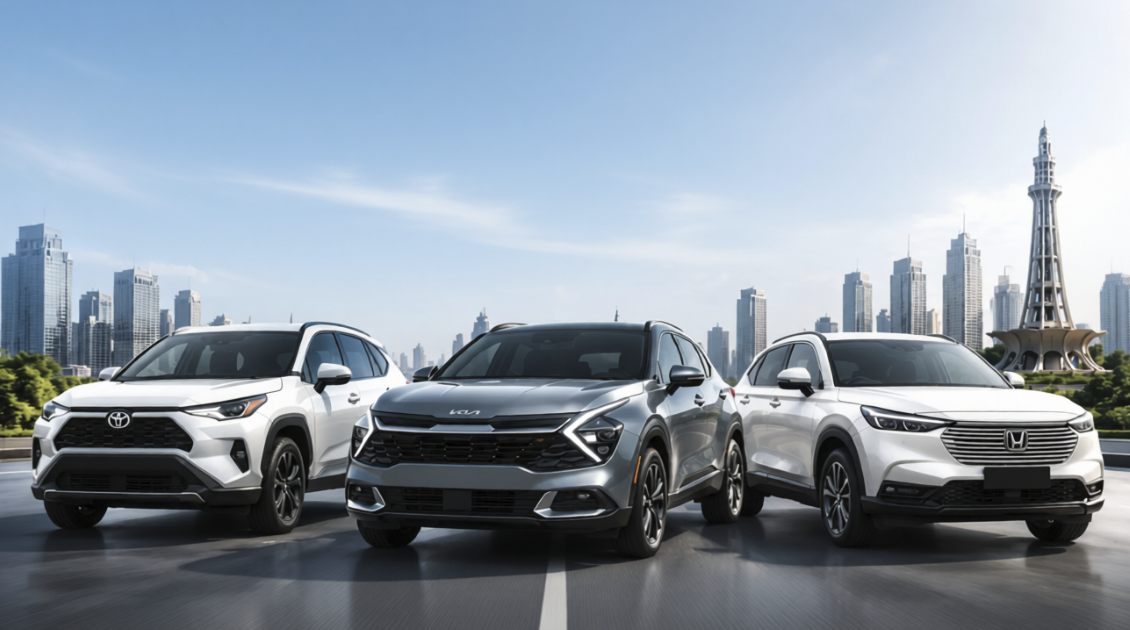
A year ago the United States stopped offering buyers a federal tax credit for electric vehicles, and the car market has been reshaping itself ever since. Shoppers who were weighing an electric model now face a different mix of choices, with hybrids gaining ground and used electric cars becoming more plentiful.
In this article we will discuss what happened to sales after the credit ended, why hybrids are rising, what used EVs offer, how prices compare, and how to choose a vehicle without relying on slogans.
The Credit Ended and Sales Dropped Fast
The federal credit, worth up to 7,500 dollars on a new electric vehicle and up to 4,000 dollars on a used one, ended on September 30, 2025. According to a public radio report from late September 2026 that cited Edmunds and Cox Automotive, electric vehicles reached 11.4 percent of new car sales in September 2025, the last month before the deadline. A month later the share was 5.8 percent. Buyers had rushed to claim the credit while it lasted, and then the demand pulled forward by that rush disappeared.
Cox Automotive reported that EV sales were down 36 percent compared with the same period a year earlier in late 2025 and down 27 percent in the first quarter of 2026. Through the rest of 2026, the report says, electric vehicles have held at roughly 5 to 6 percent of new sales. That is a steady plateau and not a continuing slide, which is the point several analysts have emphasized.
Edmunds described the situation as clearly nothing like what it was before, but not a fall off a cliff. That is a fair summary. The market halved in share terms, then stopped falling, and what remains looks like a smaller group of committed buyers who would purchase an EV with or without a subsidy.
Why a Deadline Creates a Spike
Whenever a tax benefit has a fixed end date, buyers who were planning to purchase within the next year or two bring their purchases forward. That produces a surge before the date and a hollow period afterward, since many of the people who would have bought in the following months already did. The comparison between September 2025 and the months after it therefore overstates the underlying decline, which is one reason the later months are the better guide.
The year-over-year comparisons in the reports also carry the distortion of a very strong baseline. Falling 27 percent from a boosted quarter is not the same as falling 27 percent from a normal one, and readers should keep that in mind when headlines compare the numbers.
What the Plateau Says
A share of 5 to 6 percent means roughly one new car in seventeen or eighteen sold in the United States is fully electric. Cox’s Stephanie Valdez Streaty described the new state as a lower and more stable level of demand, and added that she believes the future is still electric. Both statements can be true: the near-term pace is slower than hoped, and the long-run direction remains toward electrification.
How to Read Monthly Sales Reports
Sales share is a ratio, so it can move because electric sales changed or because total car sales changed. When a report says electric vehicles held near 5 to 6 percent, it means the electric slice stayed about the same size relative to the whole market. Before drawing conclusions from any single month, look at three months together, because a model launch, a supply hiccup or a holiday weekend can nudge one month’s number.
Also check who is counting. Edmunds and Cox Automotive use different methods and data, so their figures will not always line up exactly. A good habit is to trust trends that both agree on, such as the drop after the credit and the rise of hybrids, and to hold loosely any precise figure that rests on one source.
Hybrids Take the Demand
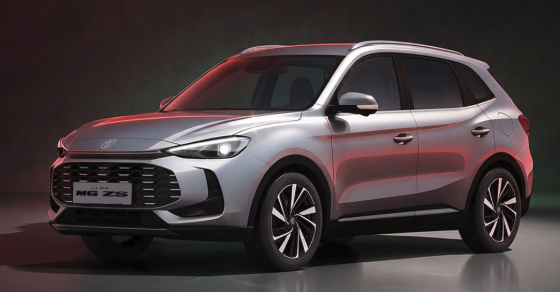
While electric sales flattened, hybrid sales rose. The report, citing Edmunds, says US hybrid sales are up almost 27 percent over the past year. Individual brands show it as well: Hyundai’s hybrid sales in August were reported up 33 percent compared with a year earlier, and Kia’s were up 99 percent, close to a doubling.
Hybrids appeal to the shopper who wants better fuel economy without changing any habits. There is no charging cable, no concern about road trips, and no home installation, yet the fuel bill drops noticeably compared with a gasoline-only car. For many households that is the sweet spot, and with the federal credit gone, the price premium of a full EV no longer has a subsidy to soften it.
Hybrid, Plug-In Hybrid and Full Electric
The three categories are easy to mix up, so it helps to separate them. A conventional hybrid has a small battery that the car charges itself through braking and the engine, and you only ever put fuel in it. A plug-in hybrid has a larger battery you can charge from an outlet for a stretch of electric driving, usually enough for a typical commute, plus an engine for longer trips. A full electric vehicle has no engine at all and depends on charging.
Which one fits depends largely on whether you can charge at home. A plug-in hybrid driven mainly on electric power can run very cheaply, but a plug-in hybrid that is never plugged in is just a heavier hybrid. If you have no reliable place to charge, a conventional hybrid is the honest choice.
Where Hybrids Fall Short
Hybrids still burn fuel, so they leave you exposed to gas prices and to the maintenance of a combustion engine. Their electric-only range is nonexistent or short, and they do not deliver the quiet, instant response many electric drivers love. They are also not a path to zero tailpipe emissions, so shoppers whose main motive is environmental should weigh that against the practical gains.
A simple test is to ask what you would do on your worst driving day. If a long trip with no charger nearby would stress you, a hybrid removes the problem. If your driving is predictable and short, an electric car removes the fuel stop altogether.
Fuel Prices and the War Push Shoppers Toward Efficiency
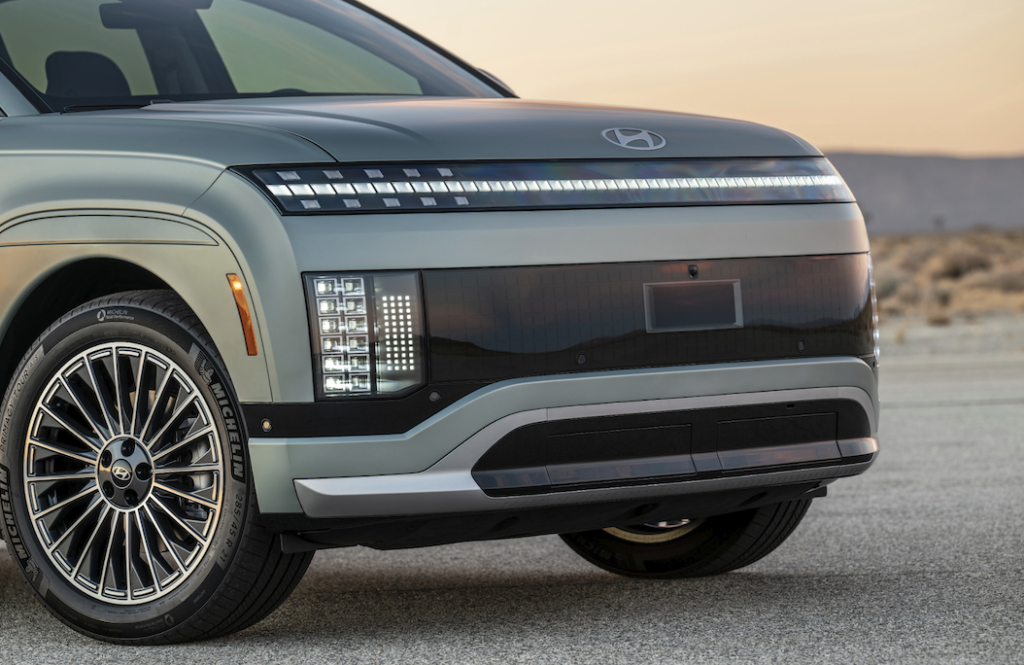
The report points to two forces behind the hybrid surge: higher gas prices, at around 4.50 dollars per gallon nationally, and the start of a US war with Iran, which it says appears to have boosted demand. These are the reporter’s observations rather than a measured cause, and the exact weight of each factor is hard to separate. Still, the logic is familiar from earlier fuel price spikes, when buyers moved toward efficient cars within months.
Notice that higher fuel prices should help electric vehicles too, since they make charging look cheaper than fueling. Yet the report suggests that more of the benefit went to hybrids. A likely reason is the price gap, because a hybrid usually costs somewhat more than its gasoline twin, while an electric model usually costs more, and without a credit the hybrid pays back faster for a buyer worried about the next fill-up.
How Fuel Prices Change the Math
If you drive about 12,000 miles a year in a car that gets 25 miles per gallon, you burn around 480 gallons. At 4.50 dollars per gallon, that is about 2,160 dollars in fuel annually. A hybrid getting nearly double that mileage would use roughly half the fuel, saving more than a thousand dollars a year under the same assumptions. Those figures are an illustration using round numbers, so substitute your own mileage and local prices.
Electricity costs vary widely by state and by time of day, and public fast charging can cost far more per mile than charging at home overnight. An electric car that is mostly charged at home on an off-peak rate will usually cost much less per mile than fuel, while one that depends on public fast chargers may not.
Prices Change Quickly
Fuel prices move with events, and a war-driven spike can reverse as fast as it arrived. Do not buy a vehicle on the assumption that today’s gas price is permanent. Choose a car that makes sense at a lower fuel price too, and treat a high price as a bonus rather than a plan.
Used EVs Are the Quiet Opportunity
Used electric vehicles are still a small slice of the market, at under 3 percent of used car sales according to the report. That share may grow soon. More than 300,000 leased electric vehicles are expected to come off lease in the next year, which will add a wave of one-to-three-year-old cars to dealer lots and online listings.
A big supply of lightly used cars tends to put downward pressure on prices, and the loss of the federal credit means new electric cars do not have the subsidy advantage over used ones that they enjoyed for a time. Buyers who are comfortable with a used car may find the best value in the market here, though prices will depend on the model, the mileage and the local supply.
Battery Health Checks
The battery is the single most expensive component of a used electric car, so check it before you buy. Ask the seller for a battery health report, which many dealers can produce with a diagnostic tool, and compare the reported capacity against the capacity when new. A modest decline after a few years is normal; a steep drop is a warning sign.
Also ask about the warranty. Electric vehicle batteries usually carry a long separate warranty, but the terms depend on the manufacturer, and coverage may not transfer in every case. Read the actual paperwork instead of relying on the salesperson’s summary.
Charging History and Software
Frequent fast charging can wear batteries faster than slower home charging, so ask how the car was charged if the seller knows. Look at the charging port, the cable that comes with the car, and the app login that must be transferred to you. A car still tied to the previous owner’s account can cause headaches, so confirm that the account has been removed before you pay.
Shopping a Lease Return
A car coming off a lease is often a strong used buy because the first owner usually kept to a mileage limit and followed the maintenance schedule. Dealers selling certified pre-owned electric cars may include an inspection and an extended warranty, which can be worth paying for if the terms are clear. Ask for the service history, check the tires, and test every charging mode you plan to use, including the home cable and a public fast charger if one is nearby.
Negotiate on the total price, not the monthly payment, and compare listings from several sellers. A wave of returning cars means sellers will compete, so patience can pay, but do not wait on the hope of a perfect deal for a car you need soon.
Used Federal Credit and What Replaced It
The used credit of up to 4,000 dollars ended along with the new one, so a used EV purchase today does not include that discount. Some states and utilities run their own incentives, and the rules differ widely, so check with your state energy office or utility before assuming nothing is available. Do not count on a rebate until you have it in writing.
What an EV Costs Compared With a Gas Car
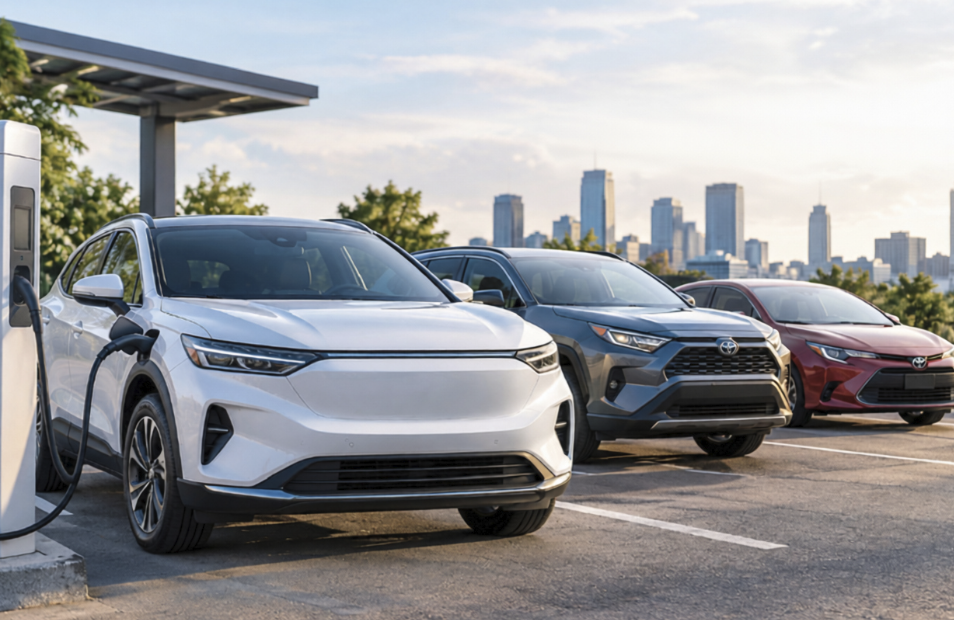
Cox Automotive reported an average electric vehicle transaction price of more than 54,000 dollars in August, compared with just under 50,000 dollars for gasoline vehicles. The gap is about four thousand dollars or more, and that comparison is of averages, so it is influenced by the mix of vehicles each group includes. Electric vehicles skew toward larger, better-equipped models, which pushes the average up.
For a like-for-like comparison, look at specific models in the same size class and trim, and not at averages. Some electric models cost close to their gasoline equivalents, while others carry a large premium. The table below sets out how the three powertrain types usually compare for a household weighing them.
| Factor | Gasoline | Hybrid | Plug-in hybrid | Full electric |
| Purchase price | Lowest | Slightly higher | Higher | Often highest |
| Fuel or charging cost | Highest | Lower | Lowest if plugged in daily | Lowest with home charging |
| Home charging needed | No | No | Strongly helpful | Strongly helpful |
| Long trip flexibility | Excellent | Excellent | Excellent | Depends on charger network |
| Routine maintenance | Most | Moderate | Moderate | Least |
| Exposure to gas prices | High | Reduced | Low if plugged in | None |
The table is a general guide, and individual vehicles vary. Use it as a starting point for the questions you ask at a dealership, not as a verdict.
Leasing Versus Buying
Leasing gives a different set of trade-offs than buying, and it matters more for electric cars because the technology and the incentive landscape are changing quickly. A lease limits your exposure to resale values, which are uncertain for any vehicle type that is changing fast. A purchase makes sense if you plan to keep the car for many years and drive enough that the lease mileage limits would be a nuisance.
Whichever you choose, read the fine print on mileage limits, wear charges and end-of-lease fees, and compare the monthly cost with the total over the whole term. Dealers can present very different monthly numbers for the same car by shifting the down payment.
Count the Full Cost of Ownership
Sticker price is only one number. Total cost of ownership adds fuel or electricity, insurance, maintenance, depreciation, financing costs and registration fees. It is the fairest way to compare a gasoline car, a hybrid and an electric car, because each wins in a different line of the ledger.
Start with the figures you control. Estimate your annual mileage, check your local fuel price and your electricity rate, and find out whether your utility offers a cheaper overnight rate for car charging. Then ask an insurer for quotes on the specific models, since insurance for electric vehicles can differ from similar gasoline cars, and the difference can change the result.
Home Charging and Its Cost
For electric ownership, the single largest practical factor is where the car sleeps. A household with a driveway or garage and an outlet nearby can charge cheaply overnight. A basic outlet gives slow charging that is enough for many commuters, and a dedicated higher-power wall unit is faster but requires installation by a licensed electrician, and the cost of that installation varies widely.
Renters and apartment dwellers face the biggest hurdle. Ask whether your building has or will add chargers, check for workplace charging, and be honest about how often you would rely on public stations. If charging access is uncertain, a hybrid is the safer buy.
Depreciation and Resale
Depreciation is often the biggest hidden cost, and it is the hardest to predict. Rapid changes in prices, incentives and technology can push used values down, which is bad for owners who sell early and good for used buyers. Choose a model with a record of holding value, and consider a lease if you worry about being stuck with a car whose worth fell more than you expected.
Tires, Weight and Road Trips
Electric cars and plug-in hybrids are heavier than comparable gasoline models because of the battery, which tends to wear tires faster, so factor replacement tires into your cost estimate. Cold weather also reduces range for electric cars, sometimes by a noticeable amount, because the battery is less efficient and the cabin heater draws power. If you live where winters are harsh, test the range claim against your own routes and plan a buffer instead of driving to the last mile shown.
Road trips are manageable with planning. Before buying, map a trip you take regularly and see where chargers sit along the way, and keep a backup option in case one is busy or broken. Households that take frequent long drives often keep it simple with a hybrid and save the electric car for local use if they own two vehicles.
Maintenance and Repairs
Budget for tires, brake fluid, cabin filters and coolant on any of the three powertrains, since these wear regardless of what powers the wheels. A written service plan from the dealer is worth comparing against independent shop rates.
Electric cars have fewer moving parts, no oil changes and gentler wear on brakes thanks to regenerative braking, so routine maintenance is usually cheaper. Hybrids still require engine service but tend to be reliable. Repairs after a collision can be costly for electric cars because of battery and sensor complexity, so ask your insurer how they price such claims.
Rules Outside the United States
Everything above is centered on the United States, and conditions elsewhere differ. The federal credit ended in the US, but other countries have their own incentives, taxes and charging networks, and several run purchase grants, tax breaks on company cars, or fees on gasoline vehicles that change the math entirely. A shopper in another country should check the current national and local rules rather than assume that American trends apply.
Fuel prices, electricity costs, and the availability of public charging also vary widely between countries and even within them. The advice to compare total cost, check your charging access and avoid paying for range you will not use carries over, but the numbers will be different. If you move or travel across borders, check plug standards and rules for registering the car.
Conclusion
Begin with your driving and your parking. Write down your typical weekly mileage, your longest regular trip, and where the car sits overnight. If you can charge at home and your driving is predictable, an electric vehicle, new or used, is worth a serious look, and the drop in demand may improve the deals available.
If charging is uncertain or you often drive long distances, shortlist hybrids and plug-in hybrids and compare them against a comparable gasoline model. Hybrids are where demand is strongest right now, so prices and wait times may be firmer, which is a reason to compare several dealers instead of taking the first offer.
Keep one more point in mind about timing. Models and incentives change often, so a good deal in one month may not repeat. Set a budget ceiling before you visit a dealer, get pre-approved financing from a bank or credit union to compare against the dealer’s offer, and walk away from any deal that depends on pressure to decide the same day. The slower market for electric cars gives buyers more leverage than they had a year ago, so use it.
If you are open to used, watch listings over the coming months as the leased cars return, and get a battery health report before you commit. Whatever you choose, run the total-cost comparison with your own numbers, get written quotes for insurance and any charger installation, and be wary of any salesperson who treats the end of the credit as either a catastrophe or a bargain. As one analyst put it, the future is still electric, but the path is slower and more varied than the 2025 rush suggested.
Read more about Techsipra
Frequently Asked Questions
Is the federal EV tax credit still available?
No. The federal credit of up to 7,500 dollars for new electric vehicles and up to 4,000 dollars for used ones ended on September 30, 2025. Some states and utilities still offer their own incentives, so check locally.
Are electric car sales still falling?
Not in recent months. After dropping from 11.4 percent of new sales in September 2025 to 5.8 percent a month later, electric vehicles have held at roughly 5 to 6 percent through 2026, according to the reports.
Is a hybrid better than an electric car right now?
It depends on charging access and driving habits. A hybrid suits shoppers who cannot charge at home or who drive long distances, while an electric car suits those with reliable home charging. Compare total cost for your own situation.
Will used EV prices drop?
They may, because more than 300,000 leased electric vehicles are expected to return in the next year, according to the report. More supply usually helps buyers, but prices depend on the model and your local market.
How do I check the battery on a used electric car?
Ask for a battery health report from the seller or a dealer with a diagnostic tool, and compare it with the original capacity. Also confirm the battery warranty terms in writing.
Why are hybrid sales up so much?
Edmunds reported US hybrid sales up almost 27 percent over the past year, and higher gas prices and the war with Iran appear to have helped, as reported. Hybrids offer better fuel economy without any charging needs.