
Nancy Parker McDonald’s: The Controversial Case of a 911 Call, Alleged Firing, and Internet Backlash
TL;DR: A McDonald’s employee reportedly identified Luigi Mangione, a person of interest in a high-profile case, and called 911. Social media claims suggest the employee, identified as “Nancy Parker,” was subsequently fired and became the target of widespread doxxing and online harassment. Questions persist about reward eligibility, mistaken identity, and whether the viral story reflects accurate facts or social media confusion. This article examines the controversy, employment law considerations, and the broader implications of employees reporting crimes on company time.
Disclaimer: This article discusses claims circulating on social media and online platforms. Many details remain unverified, and this content should not be construed as legal advice. Readers are encouraged to consult reputable news sources and legal professionals for verified information.
Introduction
The case of nancy parker mcdonalds has become a lightning rod for debate across social media platforms, particularly TikTok, Reddit, and Twitter. In the wake of the Luigi Mangione investigation—a case that captured national attention—reports emerged that a McDonald’s employee in Pennsylvania called 911 after recognizing Mangione as a wanted suspect. What should have been a straightforward act of civic duty quickly devolved into a viral controversy involving alleged wrongful termination, doxxing, and questions about reward money.
But who is Nancy Parker? Was she really the employee who made the call? Did she get fired for calling 911 on company time? And is she eligible for the substantial reward offered for information leading to Mangione’s capture? These questions have fueled intense speculation, with the internet backlash nancy parker faced highlighting the darker side of viral justice.
This comprehensive analysis explores the timeline of events, the legal and employment dimensions, the role of social media in amplifying unverified claims, and the broader lessons for employees, employers, and the public.
Timeline of Events: From 911 Call to Viral Controversy
The Initial 911 Call and Luigi Mangione’s Identification
According to widely circulated reports, a McDonald’s employee at an Altoona, Pennsylvania location recognized Luigi Mangione, who was wanted in connection with a serious criminal investigation. The employee reportedly called 911 to alert authorities, leading to Mangione’s apprehension at or near the restaurant.
The individual who reported luigi mangione performed what many consider a public service—identifying a suspect and contacting law enforcement. However, the aftermath of this decision would prove far more complicated than anyone anticipated.
The Alleged Firing: Nancy Parker McDonald’s Fired?
Shortly after Mangione’s arrest, social media posts began claiming that the employee who made the 911 call—identified by some users as “Nancy Parker”—had been terminated by McDonald’s. The alleged reason? Nancy parker fired mcdonalds posts suggested she made the call during work hours, supposedly violating company policy about using company time for personal matters.
The claim that nancy parker mcdonalds fired her for calling emergency services sparked immediate outrage. Critics argued that terminating an employee for reporting a wanted criminal suspect was not only morally wrong but potentially illegal under whistleblower and public policy protections.
Social Media Explosion and Doxxing
As the story spread, internet users began searching for information about Nancy Parker. Within hours, profile photos, alleged Facebook accounts, and personal details began circulating on TikTok, Twitter, and Reddit. The viral tiktok coverage luigi mangione case included numerous videos expressing support for the employee and condemning McDonald’s.
However, this is where the story takes a troubling turn: doxxing nancy parker became a widespread phenomenon, with users sharing what they believed to be her personal information. The wiped profile phenomenon emerged when alleged social media accounts associated with the name disappeared, fueling further speculation about whether she was hiding from harassment or whether the accounts were never hers to begin with.
Mistaken Identity Confusion
Complicating matters significantly, multiple individuals named Nancy Parker exist on social media. Reports emerged that a New York-based comedian and content creator named Nancy Parker was being misidentified as the McDonald’s employee. This mistaken identity problem led to the wrong person receiving harassment, death threats, and unwanted attention.
The question “Is the Nancy Parker photo the New York comedian or the McDonald’s employee?” became a common search query as users tried to separate fact from fiction. This confusion highlights the dangers of social media spread without verification.
The Reward Money Question: Crime Stoppers vs 911
Did Nancy Parker Receive the Reward for Identifying Luigi Mangione?
One of the most frequently asked questions surrounding this case is “Did nancy parker get reward?” The Luigi Mangione case reportedly had a substantial reward—potentially tens of thousands of dollars—offered for information leading to his capture. However, the mechanism of reporting may have affected eligibility.
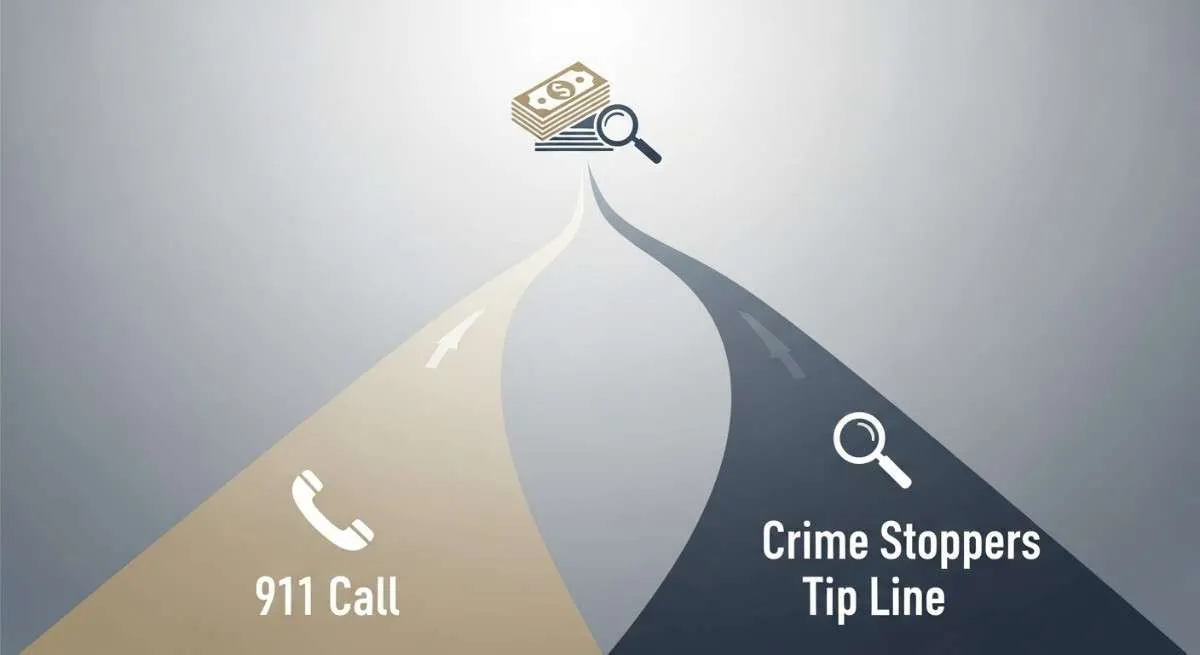
Crime Stoppers vs 911: Understanding the Difference
Crime Stoppers vs 911 represents a critical distinction in reward eligibility. Crime Stoppers programs typically offer rewards for tips submitted through their anonymous tip lines. These programs have specific protocols for validating tips and distributing rewards. In contrast, calling 911 connects directly to emergency dispatch and may not automatically qualify the caller for Crime Stoppers rewards.
The question “Can you get reward money if you call 911 instead of tip line?” has a complex answer. Generally speaking:
- 911 calls are for immediate emergencies and direct police response
- Crime Stoppers tip lines are designed for anonymous information sharing with reward structures
- Some jurisdictions may honor rewards for 911 calls if they lead to arrests, but this varies significantly
- Documentation and verification processes differ between the two systems
Legal experts note that reward eligibility often depends on the specific terms established by the offering organization. If the reward was offered by Crime Stoppers and required submission through their tip line, a 911 call might not technically qualify. However, some law enforcement agencies and reward sponsors have discretion to award funds to individuals who provide critical information through alternative channels.
As of this writing, there is no verified confirmation that the McDonald’s employee received any reward money, regardless of which reporting method was used.
Employment Law Considerations: Wrongful Termination McDonald’s Claims
Can Employers Fire Employees for Calling 911?
The allegation of wrongful termination mcdonalds raises significant legal questions. Employment law experts generally agree that terminating an employee for calling 911 to report a crime—particularly one involving a wanted suspect—could constitute wrongful termination in many jurisdictions.
Several legal theories could apply:
- Public Policy Exception: Most states recognize exceptions to at-will employment when firing violates public policy. Penalizing an employee for reporting criminal activity typically falls under this protection.
- Whistleblower Protections: While whistleblower laws traditionally protect employees who report illegal activity by their employer, some jurisdictions extend protections to employees who report crimes to authorities.
- Retaliation Claims: If McDonald’s policy requires or encourages crime reporting, terminating an employee for doing so could constitute unlawful retaliation.
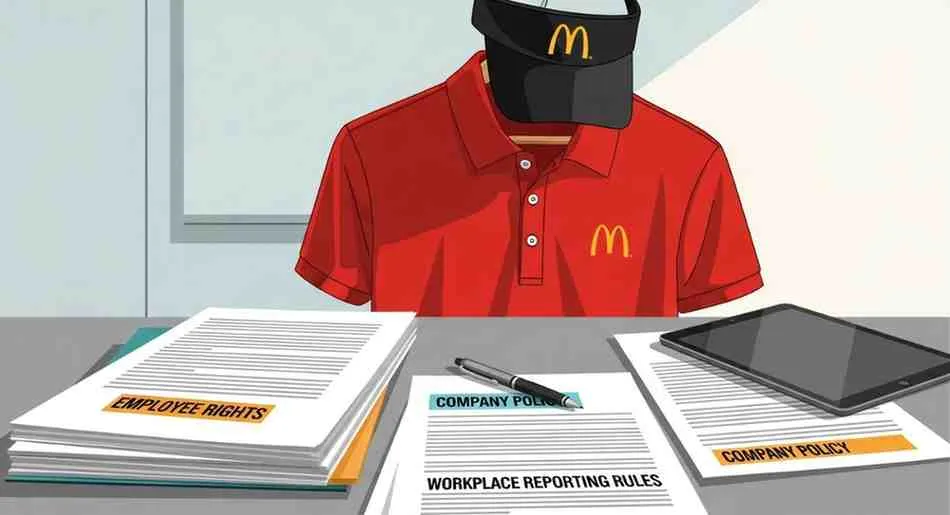
Company Policy on Calling Police and Employee Reporting Crime Policy
Understanding company policy on calling police is crucial for both employers and employees. Responsible corporations typically have policies that:
- Encourage employees to report crimes observed on premises
- Protect employees who cooperate with law enforcement
- Clarify when and how to contact authorities during work hours
- Balance business operations with public safety obligations
The employee reporting crime policy at major corporations like McDonald’s would typically support, not punish, workers who alert authorities to wanted criminals. If the termination allegations are true, they would likely contradict McDonald’s stated corporate values and potentially expose the company to legal liability.
Called 911 on Company Time: Does It Matter?
The specific claim that the employee was terminated for called 911 on company time deserves scrutiny. While employers generally have the right to restrict personal activities during work hours, calling emergency services to report a credible public safety threat occupies a different category than personal phone calls or social media use.
Employment attorneys would likely argue that:
- Emergency calls to 911 serve a legitimate public interest
- Preventing employees from contacting authorities could expose employers to liability
- The brief time required for such a call represents minimal disruption to business operations
- Retaliating against employees for civic participation undermines social responsibility
Internet Backlash and Doxxing: The Dark Side of Viral Justice
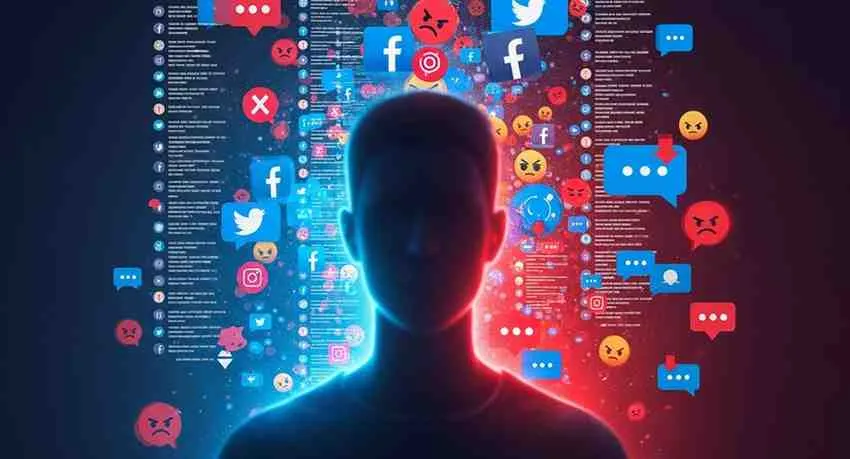
How Did the Internet Find Nancy Parker’s Facebook So Fast?
The question “How did the internet find Nancy Parker’s Facebook so fast?” reveals concerning truths about digital privacy and mob mentality. Within hours of the initial reports, alleged photos and profiles were circulating widely, demonstrating the frightening speed at which internet backlash can mobilize.
Several factors contributed to the rapid spread:
- Incomplete Initial Reporting: Early social media posts lacked verification, leading users to conduct their own “investigations”
- Algorithmic Amplification: TikTok’s and Twitter’s algorithms promoted emotional, engagement-heavy content
- Common Name Problem: “Nancy Parker” is a relatively common name, increasing the likelihood of misidentification
- Crowdsourced Doxxing: Multiple users contributed pieces of information, collectively building a profile that may not be accurate
The Doxxing Problem and Wiped Profiles
Doxxing nancy parker—the practice of researching and publicly sharing someone’s private information—has serious consequences. Victims of doxxing may experience:
- Harassment and threats to their safety
- Professional reputation damage
- Psychological distress and anxiety
- Privacy violations that are difficult to remedy
The wiped profile phenomenon occurred when alleged Nancy Parker social media accounts suddenly disappeared. This could indicate:
- The accounts belonged to someone being harassed who deactivated for safety
- The accounts were falsely attributed and removed by their actual owners
- Platforms removed accounts due to harassment concerns
Mistaken Identity and Its Consequences
The mistaken identity aspect of this case cannot be overstated. A New York comedian named Nancy Parker reportedly became a target of misdirected anger, receiving threats and abuse intended for someone else entirely. This demonstrates how:
- Social media investigations frequently lack proper verification
- Emotional reactions override fact-checking
- Innocent people can be swept up in viral controversies
- Digital mobs rarely pause to confirm they have the correct target
Organizations like the ACLU have documented numerous cases where online vigilantism led to targeting innocent individuals, highlighting the need for responsible information sharing and verification before spreading claims.
McDonald’s Corporate Response and Media Coverage
Has McDonald’s Confirmed or Denied the Firing?
As of this writing, McDonald’s corporate communications have not issued a detailed public statement specifically confirming or denying that an employee was terminated for reporting Luigi Mangione. The lack of official confirmation leaves the nancy parker mcdonalds fired claims in the realm of social media allegation rather than verified fact.
Major corporations typically avoid commenting on individual personnel matters due to privacy laws and litigation concerns. However, the viral nature of this controversy and potential reputational damage might eventually prompt a clarification.
Media Coverage and Verification Challenges
Mainstream media outlets have covered the Luigi Mangione arrest but have been notably cautious about confirming details regarding the McDonald’s employee’s identity, employment status, and reward eligibility. Reputable news organizations like the BBC and others have reported on the arrest itself while avoiding amplification of unverified social media claims.
This restraint illustrates the difference between professional journalism and social media viral content. While TikTok videos and Reddit threads spread claims rapidly, verification processes take time and require multiple independent confirmations.
Broader Implications and Recommendations

For Employees: When to Report and How to Protect Yourself
If you find yourself in a situation similar to the nancy parker mcdonalds case, consider the following:
- Report Crimes Appropriately: If you identify a wanted suspect or witness a crime, calling 911 is generally appropriate and protected
- Document Your Actions: Keep records of when and why you contacted authorities
- Know Your Rights: Familiarize yourself with whistleblower and public policy protections in your state
- Understand Reward Programs: If reward money is a consideration, research whether specific tip lines are required
- Protect Your Privacy: Be aware that civic actions can sometimes result in unwanted attention
For more information on employment protections, see our Employment law guide.
H3: For Employers: Creating Clear Crime Reporting Policies
Businesses should establish clear employee reporting crime policy guidelines that:
- Explicitly support employee cooperation with law enforcement
- Protect employees from retaliation for reporting crimes
- Clarify appropriate procedures for different situations
- Balance business needs with public safety responsibilities
- Provide training on recognizing and reporting criminal activity
H3: For the Public: Responsible Information Sharing
The internet backlash nancy parker experienced—whether directed at the correct person or not—demonstrates the need for:
- Verification Before Sharing: Resist the urge to spread unconfirmed claims
- Respect for Privacy: Avoid participating in doxxing or harassment campaigns
- Critical Thinking: Question whether social media claims are substantiated
- Empathy: Remember that real people are affected by viral controversies
FAQ Section: Nancy Parker McDonald’s Case
Who is Nancy Parker?
“Nancy Parker” is the name that circulated on social media as the McDonald’s employee who reportedly called 911 about Luigi Mangione. However, the actual identity of the employee has not been officially confirmed, and significant confusion exists about whether the person identified as “Nancy Parker” is actually the employee in question or a case of mistaken identity involving someone else with the same name.
Did Nancy Parker get fired for reporting Luigi Mangione?
Social media claims suggest that the McDonald’s employee who reported Mangione was terminated, allegedly for making the call during work hours. However, this has not been officially confirmed by McDonald’s or verified by reputable news sources. If true, such termination could potentially constitute wrongful termination under public policy exceptions to at-will employment.
Why did people attack Nancy Parker online?
Online users expressed anger over reports that McDonald’s had fired an employee for reporting a wanted suspect. This anger manifested as support for the employee but also led to doxxing and harassment of individuals believed to be “Nancy Parker.” Unfortunately, mistaken identity appears to have resulted in at least one uninvolved person receiving threats and abuse.
Is Nancy Parker eligible for the reward money?
Reward eligibility remains unclear and depends on several factors: the specific terms of the reward offer, whether it required submission through Crime Stoppers or accepted 911 calls, and verification that the tip directly led to the arrest. Calling 911 instead of a designated tip line may affect eligibility, though some organizations exercise discretion in awarding rewards for information provided through alternative channels.
Should employees call 911 or a tip line when they identify a suspect?
For immediate threats or when a wanted suspect is physically present, calling 911 is generally appropriate and recommended. However, if seeking reward money from Crime Stoppers, using their specific tip line may be necessary to qualify. In high-profile cases with substantial rewards, consulting the reward terms before reporting can help clarify the best approach, though public safety should always be the primary consideration.
Why was a McDonald’s worker fired for calling 911 during the Luigi Mangione investigation?
According to unverified social media claims, the employee was allegedly fired for using company time to make the call. However, this explanation—if true—would be legally and ethically problematic, as employees generally have the right and civic duty to report criminal activity, and terminating someone for doing so could violate public policy protections against wrongful termination.
How did the internet find Nancy Parker’s Facebook so fast?
Social media users quickly searched for individuals named “Nancy Parker” and began sharing profiles they believed belonged to the McDonald’s employee. The speed of this “investigation” reflects how quickly information—accurate or not—can spread online, as well as the dangers of crowdsourced doxxing that often lacks proper verification.
Conclusion
The nancy parker mcdonalds case serves as a cautionary tale about the intersection of civic duty, employment rights, and viral social media justice. Whether the specific claims about termination and identity are ultimately verified or debunked, the controversy highlights several important lessons:
- Employees who report crimes should be protected, not punished
- Reward programs need clear guidelines about eligible reporting methods
- Social media verification is essential before spreading claims about individuals
- Doxxing and harassment are never justified, even when motivated by perceived injustice
- Companies must balance operational needs with support for employees doing the right thing
As this story continues to develop, readers should remain skeptical of unverified claims while advocating for clear policies that protect employees who cooperate with law enforcement.
For ongoing coverage of this case and related employment law issues, bookmark our Nancy Parker McDonalds case page.
Call to Action
What do you think? Should employees who report wanted suspects be protected from termination? Do you believe the reward system should be reformed to ensure 911 callers are eligible? Share your thoughts in the comments below, and don’t forget to share this article with anyone interested in employment rights, criminal justice, or the impact of viral social media controversies.
Stay informed: Subscribe to our newsletter for updates on this case and similar stories at the intersection of law, employment, and social media.