
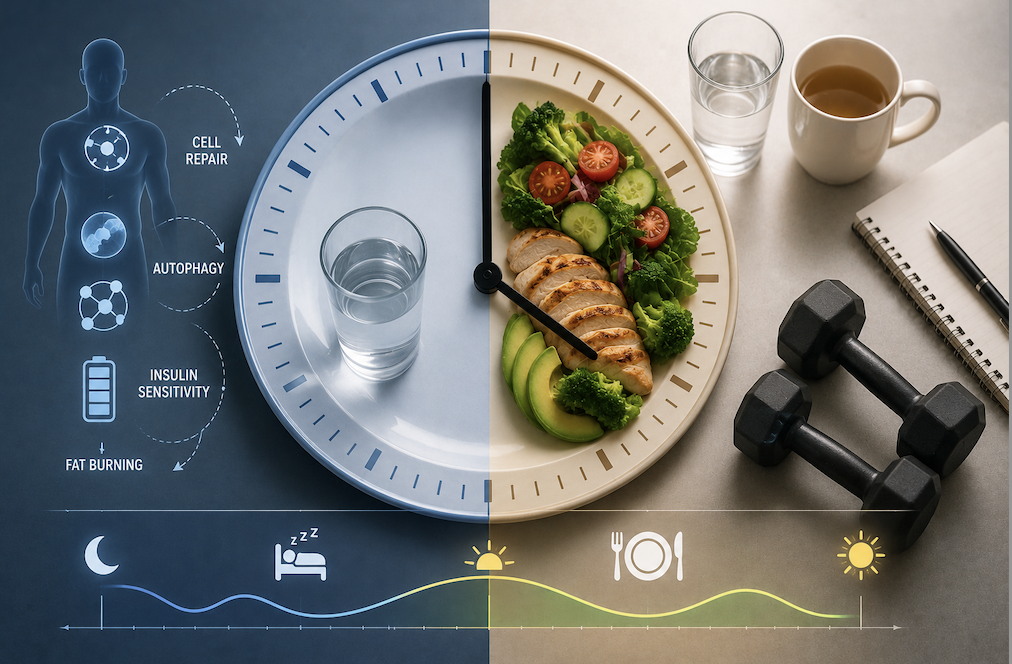
Intermittent fasting has moved from a niche dietary approach into one of the most widely discussed eating patterns in recent years, yet plenty of confusion remains about what it actually involves and how it genuinely affects the body. This article explains what intermittent fasting actually is, the different approaches people use, and what the science suggests about its real effects.
What Intermittent Fasting Actually Means
Intermittent fasting refers to an eating pattern that cycles between periods of eating and periods of voluntary fasting, focusing on when you eat rather than specifically what you eat. Unlike many traditional diets that emphasize restricting particular food types, intermittent fasting is primarily concerned with timing, structuring your eating within a specific window during the day or week.
This approach has attracted interest partly because it offers a relatively simple, structural framework rather than requiring detailed calorie counting or eliminating entire food categories, though many people do combine it with other dietary considerations for additional benefit.
The Most Common Intermittent Fasting Approaches
Several distinct patterns of intermittent fasting have become popular, each structuring the eating and fasting periods somewhat differently.
- The 16:8 method involves fasting for sixteen hours and eating within an eight hour daily window
- The 5:2 method involves eating normally five days a week and significantly restricting calories on two non consecutive days
- Alternate day fasting involves alternating between normal eating days and fasting or very low calorie days
- The eat stop eat method involves one or two complete twenty four hour fasts per week
Each approach offers a different level of structure and difficulty, and many people find that one particular pattern fits their lifestyle and preferences considerably better than the others.
What Actually Happens in Your Body During a Fast
During the fasting period, once your body has used up readily available glucose from your last meal, it gradually shifts toward using stored fat for energy instead, a metabolic process that forms much of the theoretical basis behind intermittent fasting’s potential benefits. This shift does not happen instantly, and the exact timing varies somewhat depending on individual factors like activity level and recent eating patterns.
- Blood sugar and insulin levels typically decrease during an extended fasting period
- The body gradually shifts toward using stored fat as an energy source
- Some cellular repair processes appear to become more active during fasting periods
- These effects generally reverse once regular eating resumes during the eating window
What Current Research Actually Suggests
Scientific research on intermittent fasting has grown considerably, though it remains an active, evolving area of study rather than a topic with entirely settled conclusions. Some studies suggest potential benefits related to weight management and certain metabolic markers, while researchers continue investigating long term effects and how these benefits compare to other structured eating approaches.
- Weight management benefits appear to result largely from an overall reduction in calorie intake
- Some research suggests potential benefits for certain metabolic health markers
- Long term research, particularly beyond a year or two, remains more limited
- Individual results and tolerance for fasting periods vary considerably between people
Who Should Approach Intermittent Fasting Carefully
Intermittent fasting is not appropriate for everyone, and certain groups should approach it with particular caution or avoid it entirely without professional guidance.
- People with a history of disordered eating should generally avoid restrictive eating patterns like this
- Pregnant or breastfeeding individuals typically should not practice intermittent fasting
- People with diabetes or other blood sugar related conditions should consult a doctor first
- Anyone considering a significant change to their eating pattern should discuss it with a healthcare provider
How Intermittent Fasting Compares to Traditional Calorie Restriction
A reasonable question many people ask is whether intermittent fasting offers any genuine advantage over simply eating fewer calories throughout a normal day without any specific timing structure. Current research suggests that much of the weight management benefit associated with intermittent fasting comes primarily from an overall reduction in total calorie intake, since a shorter eating window naturally makes it somewhat
harder to consume as many calories as an unrestricted eating schedule might allow.
That said, some people find the structural simplicity of intermittent fasting genuinely easier to follow consistently compared to manually tracking calories at every single meal, since the fasting window itself provides a clear, straightforward boundary. Ultimately, the most sustainable approach tends to be whichever method a person can actually maintain consistently over the long term, rather than whichever theoretically offers the largest metabolic advantage on paper.
- Much of intermittent fasting’s benefit appears linked to overall reduced calorie intake
- Some people find the structural simplicity easier to maintain than manual calorie counting
- Long term consistency generally matters more than the specific method chosen
- Personal preference and lifestyle fit should weigh heavily in choosing between approaches
Final Thoughts
Intermittent fasting offers a structured approach to eating that focuses on timing rather than specific food restriction, and while research continues to explore its full range of effects, it has become one of the more widely practiced eating patterns today. As with any significant dietary change, approaching it thoughtfully and considering your own individual health circumstances remains the most sensible path forward.
If you’re exploring intermittent fasting because of concerns about your relationship with food or eating patterns, it’s worth talking with a doctor or registered dietitian who can offer guidance suited to your specific situation. What works well and sustainably for one person’s body and lifestyle will not necessarily translate directly to another, which is exactly why personalized guidance tends to matter more than any single generalized rule.
- Read more about Techsipra!
Frequently Asked Questions
Is intermittent fasting the same thing as simply skipping breakfast?
Not exactly, though the 16:8 method often results in skipping breakfast for many people. Intermittent fasting specifically refers to a structured, consistent pattern of eating and fasting windows rather than occasional, unplanned meal skipping.
Can I drink water or coffee during a fasting period?
Generally yes, plain water, black coffee, and plain tea are typically considered acceptable during fasting periods, since they contain minimal to no calories, though specific approaches can vary somewhat.
Does intermittent fasting work the same way for everyone?
No, individual results vary considerably based on factors like overall diet quality, activity level, and personal metabolic differences, which is why what works well for one person may not suit another.
Should I try intermittent fasting without talking to a doctor first?
If you have any underlying health conditions, are pregnant, or have a history of disordered eating, consulting a healthcare provider before starting is a genuinely important precaution to take first.