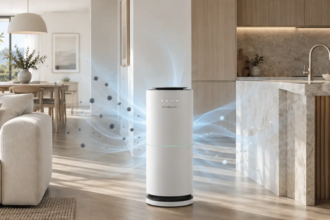

Dry indoor air is a common side effect of heating systems running through cold months, and it shows up as cracked skin, irritated sinuses, static shocks, and wood furniture that creaks as it loses moisture.
A humidifier can correct this, but the market includes several distinct designs, each suited to a different room size, maintenance tolerance, and budget.
This guide walks through the practical differences between humidifier types, how to size one correctly, and the habits that keep a unit working safely rather than becoming a source of mold or mineral dust.
Choosing the Right Humidifier Type
Humidifiers generally fall into four main categories: evaporative, ultrasonic, warm mist, and whole-house systems tied into a central heating unit. Evaporative humidifiers use a fan to pull air through a moistened wick or filter, which naturally self-regulates humidity since the evaporation rate slows as the surrounding air becomes more saturated. This self-limiting quality makes them harder to over-humidify a room compared with other types, though the wick filter requires regular replacement to keep performing well.
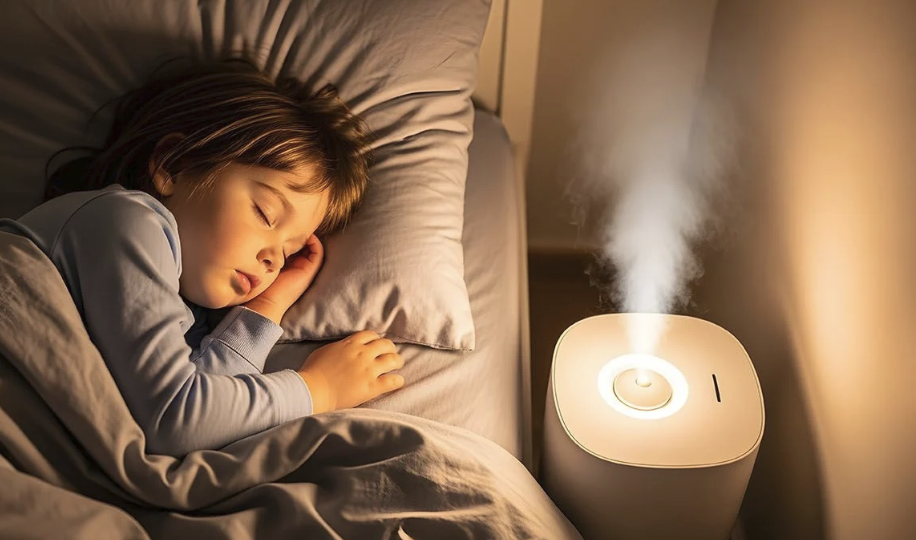
Ultrasonic humidifiers use a vibrating plate to break water into a fine mist without heating it, producing a quiet operation that many households prefer for bedrooms. These units do not self-regulate the way evaporative models do, which means an ultrasonic humidifier can push a room into a too-humid state if left running unattended for long stretches. Warm mist humidifiers heat water to produce steam, which adds a small amount of ambient warmth and can help loosen congestion, though the heating element increases both energy use and the risk of a burn if a child or pet gets too close.
- Evaporative humidifier: Self-regulating output through a moistened wick, requiring regular filter replacement.
- Ultrasonic humidifier: Quiet, fine mist output that does not self-regulate, requiring more attentive humidity monitoring.
- Warm mist humidifier: Heated steam output that adds slight warmth but carries a higher burn risk near the unit.
- Whole-house humidifier: A system tied into central heating ductwork that humidifies an entire home evenly.
- Cool mist versus warm mist choice: Cool mist suits most households; warm mist is sometimes preferred in a child’s room for added comfort.
Whole-house systems sit apart from the portable options above because they attach directly to central heating ductwork and draw from a home’s plumbing rather than a tank that needs manual refilling. This design removes the daily maintenance burden tied to portable units, since there is no tank to empty and refill, but installation requires a technician familiar with HVAC systems and carries a notably higher upfront cost than any tabletop model. Homeowners dealing with dry air across an entire house, rather than one or two rooms, often find the added installation cost worthwhile once the convenience of automatic, whole-home coverage is weighed against running several portable units in different rooms.
Sizing a Unit to Your Room
A humidifier’s output is typically listed as a water capacity in gallons per day, matched to a maximum recommended square footage. Buying a unit sized for a small bedroom and expecting it to maintain comfortable humidity in an open living and dining space will leave the air noticeably drier than intended, since the unit simply cannot produce enough moisture output to keep pace with a larger volume of air. Checking the manufacturer’s square footage rating against your real room dimensions, rather than assuming a standard tabletop unit works everywhere, avoids this common mismatch.
Ceiling height and the number of doors or openings in a room also affect how well a given unit performs. A room with a high, vaulted ceiling holds far more air volume than its floor area alone suggests, which means a unit rated for a standard eight-foot ceiling may underperform in that space. Rooms that connect openly to hallways or other rooms also lose humidified air to the surrounding space faster than a closed room with a single door, so a unit may need to run longer or be sized up for that kind of layout.
- Water capacity rating: Measured in gallons per day, this figure should match or exceed your room’s square footage needs.
- Ceiling height adjustment: Vaulted or high ceilings increase air volume, requiring a larger-capacity unit than floor area alone suggests.
- Open floor plan sizing: Rooms connected to hallways or open layouts lose humidified air faster, often needing a bigger unit.
- Multiple small units: Several smaller humidifiers placed in connected rooms can outperform one large unit in an open layout.
- Seasonal adjustment: Peak winter dryness may call for running a unit at a higher output setting than milder shoulder seasons require.
Noise output is worth factoring into sizing decisions alongside raw water capacity, since a larger unit capable of covering more square footage often runs a stronger fan or produces more audible operation than a smaller tabletop model. A bedroom humidifier that disrupts sleep defeats part of its own purpose, so checking the decibel rating listed in product specifications, where available, helps match output capacity with a noise level that fits how the room is really used, especially for anyone sensitive to background sound while sleeping.
Maintaining Clean Water and Filters
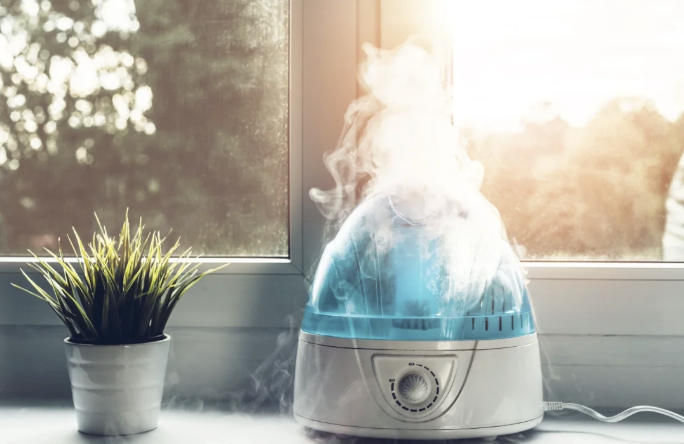
A humidifier left unattended with standing water is one of the fastest ways to introduce mold and bacteria into indoor air, since the warm, moist environment inside the tank is close to ideal for microbial growth. Daily water changes, rather than topping off an existing reservoir, reduce this risk by a wide margin, since stagnant water sitting for several days gives bacteria far more time to establish than fresh water changed every twenty-four hours. A weekly deep clean using a diluted vinegar solution or a manufacturer-approved cleaning product removes buildup that a simple rinse will not fully clear.
Filter maintenance in evaporative models deserves its own attention, since a filter saturated with mineral deposits and microbial growth becomes less effective and can actively worsen indoor air quality rather than improving it. Manufacturers typically recommend filter replacement every one to three months depending on water hardness and usage, though households in areas with notably hard water may need to replace filters more often than the standard guidance suggests.
- Daily water changes: Fresh water each day limits the time bacteria have to establish inside the tank.
- Weekly deep cleaning: A diluted vinegar rinse removes buildup that a quick daily rinse leaves behind.
- Filter replacement schedule: Most evaporative filters need replacement every one to three months, depending on water hardness.
- Tank drying between uses: Letting the tank air dry fully before refilling discourages mold growth in storage.
- Hard water consideration: Homes with notably hard water may need filter changes more often than the typical schedule.
Ultrasonic and warm mist units lack a replaceable filter, which removes one maintenance task but shifts more responsibility onto thorough tank cleaning, since there is no filter catching mineral particles before they enter the air. Descaling the heating element in a warm mist unit, where mineral buildup can coat the metal surface and reduce heating efficiency over time, is a task specific to that design and should be checked against the manufacturer’s recommended schedule rather than left until output noticeably drops.
Spotting Signs of Overly Dry Air
Several household and physical signs point toward air that has dropped below a comfortable humidity range, and recognizing them early helps you decide when a humidifier is worth adding rather than waiting until discomfort becomes constant. Static electricity building up noticeably when touching metal doorknobs or light switches is one of the clearest physical indicators, since dry air holds an electrical charge far more readily than air with adequate moisture content.
Wood furniture, flooring, and musical instruments also respond visibly to dry conditions, since wood releases moisture into dry air and can shrink, crack, or develop gaps at joints that were tight during more humid months. A household humidity gauge, often called a hygrometer, provides a more precise reading than guessing from physical symptoms alone, and a reading consistently below thirty percent relative humidity during winter months is a reliable signal that a humidifier would help.
- Static shock frequency: Frequent static buildup on doorknobs or fabric points to notably dry indoor air.
- Wood furniture cracking: Visible gaps or cracks in wood furniture or flooring signal moisture loss from the surrounding air.
- Hygrometer reading below thirty percent: A direct humidity measurement under this threshold indicates a need for added moisture.
- Persistent dry skin or sinus irritation: Ongoing physical discomfort that eases in more humid environments points to a dry air cause.
- Houseplant stress: Browning leaf tips on sensitive houseplants can reflect low ambient humidity rather than a watering problem.
Skin and sinus symptoms tend to improve within a few days once a room’s humidity returns to a comfortable range, which makes a short trial with a humidifier a reasonable way to confirm dry air is the real cause of discomfort rather than an unrelated issue. If symptoms persist despite steady, confirmed humidity in the thirty to fifty percent range over a week or two, it is worth considering other causes, such as a different allergen in the home or a medical condition unrelated to ambient moisture levels.
Balancing Humidity for Health and Comfort

The ideal indoor humidity range for most households sits between thirty and fifty percent relative humidity, a band that supports comfortable breathing and skin health while staying low enough to discourage mold and dust mite growth. Pushing humidity much above this range creates its own problems, including condensation on windows, a musty smell, and conditions that favor mold growth in bathrooms and other damp-prone areas of a home.
A hygrometer paired with a humidifier that includes an automatic shutoff at a target humidity level removes much of the guesswork involved in staying within this range. Units without this feature require more active monitoring, since it is easy to let a humidifier run continuously through a cold spell without checking whether the room has already reached a comfortable or even excessive humidity level.
Households with respiratory sensitivities, including asthma or allergies, often benefit from staying toward the lower half of the recommended range, since dust mites and mold both thrive more readily as humidity climbs toward the upper end.
- Thirty to fifty percent target range: The generally recommended humidity band for comfort and health in most homes.
- Automatic shutoff feature: A built-in sensor that stops output once a target humidity level is reached, reducing overuse risk.
- Window condensation check: Visible moisture on windows is an early sign that indoor humidity has climbed too high.
- Respiratory sensitivity adjustment: Households managing asthma or allergies often do better toward the lower half of the target range.
- Room-by-room variation: Bathrooms and kitchens naturally run more humid, so a single whole-home target may not fit every room.
Sleep quality often improves once bedroom humidity settles into the recommended range, since dry nasal passages and a scratchy throat can disrupt rest even when a person does not consciously register the cause. Placing a hygrometer on a nightstand, rather than relying on a sensor built into the humidifier itself, gives a more accurate read of the air directly around where you sleep, since a unit’s own built-in sensor measures air closer to the device rather than across the room.
Avoiding Mold and Mineral Buildup
White mineral dust settling on nearby furniture is a common complaint with humidifiers used alongside hard tap water, since minerals dissolved in the water are released into the air along with the moisture and settle as a fine residue once the water evaporates. Using distilled or demineralized water, rather than tap water straight from the faucet, largely eliminates this issue, though it adds a recurring cost that some households weigh against the convenience of using tap water directly.
Mold growth inside the unit itself, rather than just in the surrounding room, is a more serious concern than mineral dust, since a mold-contaminated humidifier can distribute spores directly into the air you breathe. Units with removable, dishwasher-safe tanks and simple internal geometry are far easier to clean thoroughly than models with narrow, hard-to-reach water pathways, and this difference in cleanability is worth considering at the time of purchase rather than only after mold has already become a recurring problem.
- Distilled water use: Reduces mineral dust buildup compared with tap water, at the cost of an ongoing water purchase.
- Removable tank design: Units with dishwasher-safe, easily disassembled tanks are simpler to keep free of mold buildup.
- Narrow pathway avoidance: Models with simple internal geometry are easier to clean thoroughly than ones with hidden crevices.
- Visible mold inspection: Checking tank interiors regularly for dark spots catches mold growth before it spreads further.
- Replacement timeline: A humidifier with persistent mold despite cleaning efforts may need to be replaced rather than repeatedly treated.
Placement within a room also affects how quickly mineral dust and moisture accumulate on nearby surfaces. Positioning a humidifier a few feet away from wood furniture, electronics, and fabric upholstery, rather than directly against them, gives the mist room to disperse evenly before settling, which reduces concentrated residue on any single surface. A slightly elevated position, such as a dresser or shelf rather than the floor, also tends to distribute output more evenly across a room than a unit placed low where mist can pool near the base.
Final Thoughts
Choosing the right humidifier comes down to matching the unit type, water capacity, and maintenance routine to your specific room and household needs, rather than assuming any single model will work well everywhere.
Evaporative units offer a self-regulating, lower-maintenance option, while ultrasonic and warm mist models trade that self-regulation for quieter operation or added warmth, each with trade-offs worth weighing against your priorities.
Keeping humidity within the thirty to fifty percent range, cleaning the unit on a consistent schedule, and watching for early signs of either dry air or excess moisture will keep a humidifier working as a real improvement to indoor comfort rather than becoming a new source of maintenance frustration or air quality concern.
Frequently Asked Questions
How do I know if my home needs a humidifier at all?
A hygrometer reading consistently below thirty percent relative humidity during colder months, combined with symptoms such as dry skin, static shocks, or cracking wood furniture, suggests a humidifier would help. Homes in naturally humid climates or those with older, less airtight construction may not need one even during winter.
Is tap water safe to use in a humidifier?
Tap water is generally safe from a health standpoint, but it often contains minerals that create a visible white dust on nearby surfaces once the water evaporates. Distilled water avoids this issue and is worth using in areas with notably hard water, especially for ultrasonic models that disperse fine mist directly into the room.
Can a humidifier make allergies or asthma worse?
If humidity climbs too high or the unit itself develops mold, a humidifier can worsen respiratory symptoms rather than easing them. Staying within the thirty to fifty percent target range and cleaning the unit on a regular schedule prevents this, and households with respiratory sensitivities often do best staying toward the lower end of that range.
How often should I clean my humidifier?
A daily water change and a deeper weekly clean using a diluted vinegar solution or a manufacturer-approved product keeps most units free of bacteria and mold buildup. Filter-based evaporative models also need periodic filter replacement, typically every one to three months depending on water hardness and usage frequency.
What size humidifier do I need for a bedroom?
Most standard bedrooms are well served by a tabletop unit rated for 200 to 400 square feet, though an open-plan bedroom connected to other living space may need a larger-capacity unit. Checking the manufacturer’s square footage rating against your room’s real dimensions, including ceiling height, gives the most reliable sizing guidance.
Should I run a humidifier all day or only at night?
Running a humidifier continuously during a dry period keeps humidity stable, but a unit with an automatic shutoff at a target humidity level makes continuous use safer by preventing overshoot. Households without that feature often choose to run the unit mainly overnight and check humidity levels periodically during the day instead.