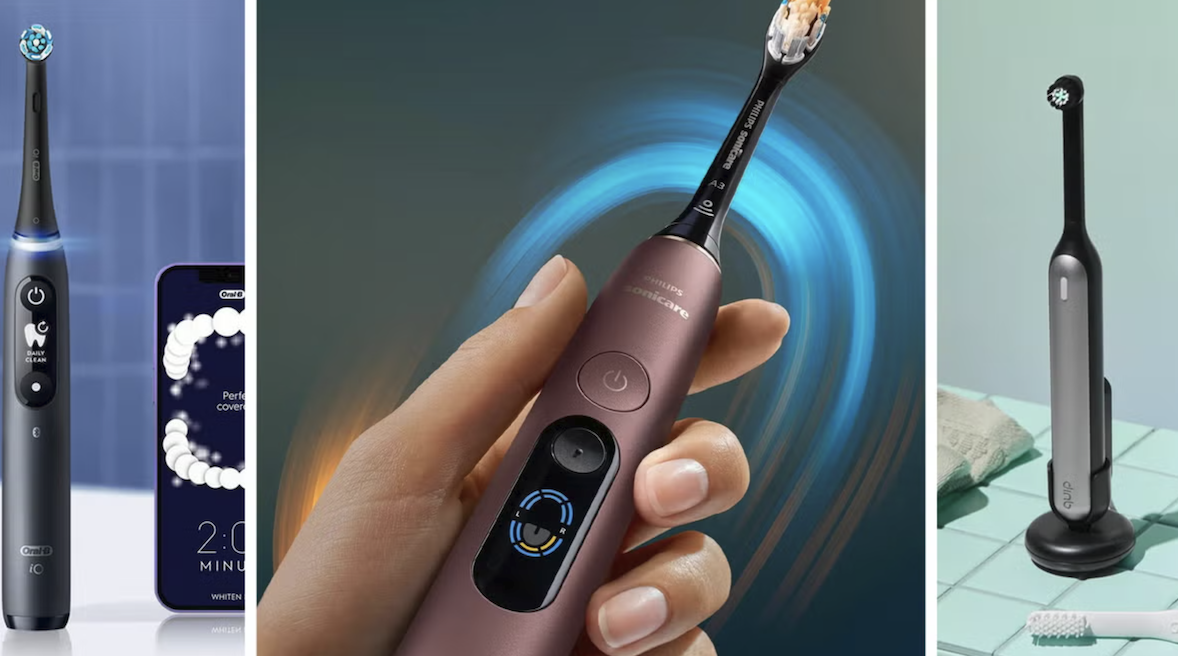
Electric toothbrushes span a wide price range, from basic battery-powered models sold at a drugstore to premium versions with app connectivity and multiple cleaning modes that cost several times as much. The gap in price does not always reflect a gap in cleaning performance, and some of the most heavily marketed features offer little benefit to the average user.
This guide breaks down which features truly improve oral health outcomes, which are mostly convenience add-ons, and how to choose a model that matches your real brushing habits and budget.
Evaluating Brush Head Designs
The brush head itself has a bigger effect on cleaning performance than most other features combined, since it is the part of the toothbrush that makes direct contact with teeth and gums. Round, oscillating heads rotate and pulse against the tooth surface, while elongated, sonic-style heads vibrate rapidly along a brushing motion closer to manual brushing but at a far higher frequency. Both designs can be effective, and the right choice often comes down to personal comfort and the size and shape of your mouth more than a clear performance gap between the two.
Bristle softness and head size matter more for comfort and gum health than most buyers initially consider. A head that is too large can be difficult to maneuver around back molars, while bristles that are too stiff can irritate gum tissue over time, especially for anyone who already brushes with a heavier hand than necessary. Replacement head cost and availability is worth checking before committing to a specific brand, since some proprietary head designs cost far more than generic alternatives and can be harder to find once a company shifts its product lineup.
- Round oscillating heads: Rotate and pulse against teeth, often paired with a smaller head size for tighter maneuvering.
- Elongated sonic heads: Vibrate rapidly along a motion closer to manual brushing, often preferred by those switching from a manual brush.
- Bristle softness: Softer bristles reduce gum irritation risk, especially for anyone who brushes with firm pressure.
- Head size fit: A smaller head improves access to back molars for people with a smaller mouth or tighter dental arch.
- Replacement head cost: Proprietary head designs can carry a notably higher ongoing cost than generic or third-party alternatives.
Specialty head shapes, such as a narrow tufted design marketed for orthodontic wearers or a wider head aimed at whitening performance, add another layer of choice worth weighing against your own dental needs rather than general marketing claims. A person wearing braces may benefit noticeably from a head designed to clean around brackets and wires, while someone without orthodontic hardware is unlikely to see any added benefit from that same specialty design. Matching the head shape to a real, specific need rather than the most prominently displayed option in a store aisle tends to produce a better outcome for the price paid.
Weighing Sonic Versus Oscillating Technology
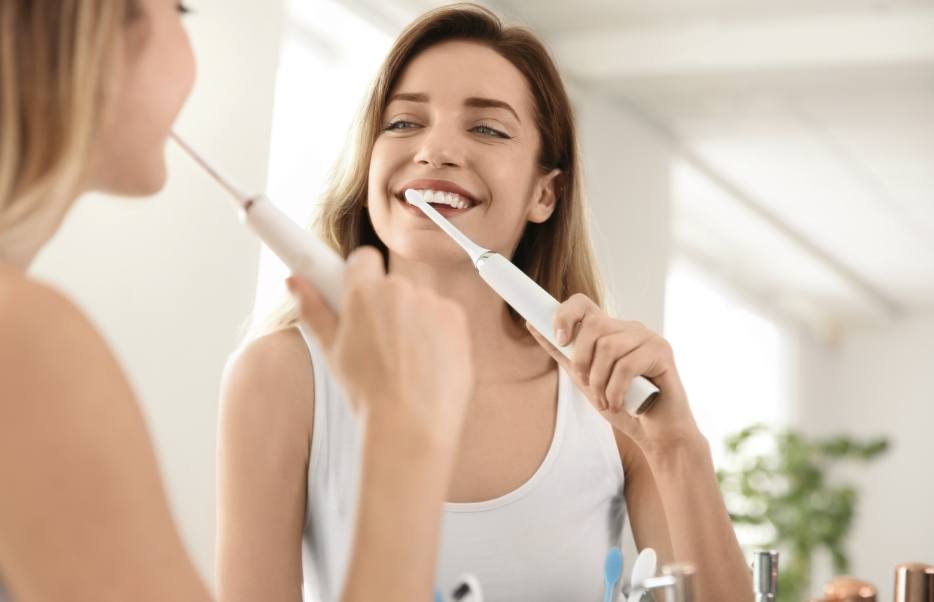
The debate between sonic and oscillating toothbrush technology has run for years without a clear, universal winner, since both approaches have been shown in various studies to reduce plaque and improve gum health compared with manual brushing. Oscillating brushes tend to rely on the rotating head’s mechanical action to dislodge plaque, while sonic brushes use rapid vibration to create a sweeping motion combined with fluid dynamics that push toothpaste and saliva into tighter spaces between teeth.
For most users, the practical difference between the two technologies matters less than consistent use and proper technique, including spending adequate time on each quadrant of the mouth and using gentle, controlled pressure rather than scrubbing forcefully. Dental professionals often recommend choosing whichever style feels more comfortable and encourages longer, more consistent brushing sessions, since a technology preference that leads to skipped or rushed brushing sessions undermines any theoretical performance advantage one style might hold over the other.
- Oscillating mechanical action: Relies on a rotating head’s physical motion to dislodge plaque from tooth surfaces.
- Sonic vibration and fluid dynamics: Uses rapid vibration to push toothpaste and saliva into tighter spaces between teeth.
- Comfort-driven technology choice: The style that feels more comfortable tends to produce more consistent daily use.
- Clinical evidence parity: Research generally shows both technologies outperform manual brushing without a clear winner between them.
- Technique over technology: Proper brushing time and gentle pressure matter more than which specific technology is used.
A built-in two-minute timer, often paired with a thirty-second interval alert that signals a shift to the next quadrant of the mouth, helps close the gap between how long people think they brush and how long they really spend with the brush against their teeth. Most manual brushers underestimate their own brushing time by a wide margin, and this simple timing feature, present on nearly every electric toothbrush regardless of price point, tends to produce a more consistent, evenly distributed cleaning session than relying on personal judgment of elapsed time alone.
Assessing Battery Life and Charging Options
Battery life varies widely across electric toothbrush models, with basic versions often needing a weekly charge while premium models can run for two to three weeks on a single charge depending on usage and cleaning mode intensity. For most households, this difference matters mainly for travel convenience rather than daily use, since a toothbrush charging dock kept at home removes the need to think about battery level during normal routines.
Charging technology differs between models as well, with some using a simple charging base that the toothbrush sits in in between uses, while others use a USB cable for more flexible charging away from a dedicated dock. Travelers who want to avoid packing a bulky charging base should look specifically for a USB-chargeable model, since this feature makes a noticeable difference in packing convenience compared with a toothbrush that requires its proprietary charging stand to function at all.
- Battery life range: Basic models may need weekly charging; premium models can last two to three weeks per charge.
- Charging dock design: A countertop dock offers convenience at home but adds bulk for travel compared with other options.
- USB charging flexibility: A USB-chargeable model travels more easily than one requiring a dedicated charging base.
- Low battery indicators: A clear warning light or app notification prevents an unexpected dead battery before a planned trip.
- Charge cycle longevity: Built-in batteries degrade over years of use, eventually requiring a full toothbrush replacement rather than a simple battery swap.
Water resistance ratings are worth a quick check as well, since most electric toothbrushes are designed for use in a wet bathroom environment but vary in how well they tolerate full submersion versus occasional splashing. A model intended only for splash resistance should not be rinsed directly under running water or submerged for cleaning, while a fully waterproof design can handle more thorough cleaning without risking internal damage to the motor or charging components over time.
Identifying Smart Features Worth the Price
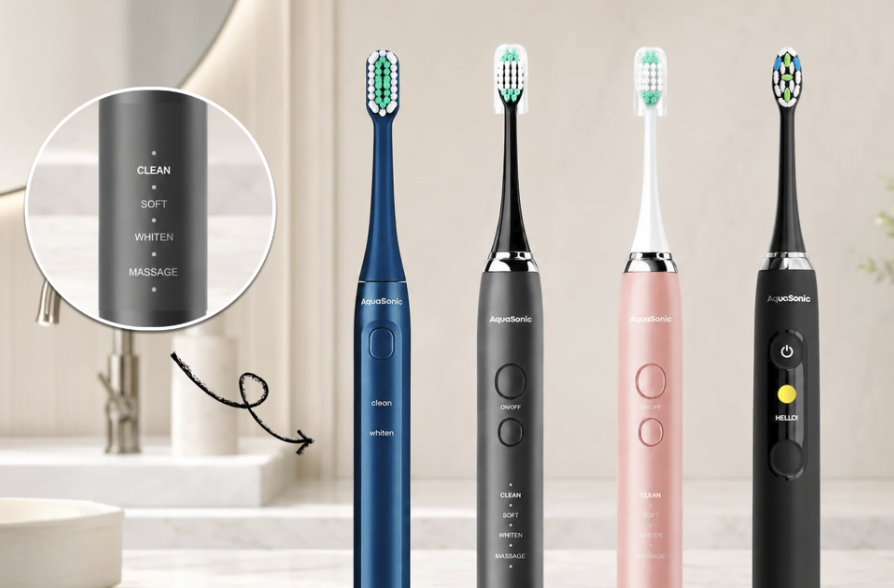
App connectivity, pressure sensors, and brushing pattern tracking represent the most heavily marketed features in the premium electric toothbrush segment, and their value varies widely depending on how a specific user brushes and whether they are motivated by data-driven feedback. A pressure sensor that alerts you when brushing too hard addresses a common and truly harmful habit, since excessive pressure can wear down enamel and irritate gums over years of repeated overuse, making this a feature with a real, documented benefit rather than a pure convenience add-on.
App-based tracking that maps brushing coverage across different areas of the mouth appeals to a specific type of user who responds well to visual feedback and gamified progress tracking, though many people find the novelty wears off within a few weeks and the ongoing value shrinks once the initial curiosity fades. Before paying a premium for extensive app connectivity, it is worth considering honestly whether you are the kind of person who sticks with data tracking tools over the long term, since this feature’s cost is only justified by sustained use rather than a one-time curiosity about brushing habits.
- Pressure sensors: Alert when brushing too hard, addressing a common habit that can wear down enamel and irritate gums over time.
- App-based coverage tracking: Maps brushing patterns across the mouth, appealing most to users motivated by visual feedback.
- Multiple cleaning modes: Options such as gum care, whitening, or sensitive settings adjust intensity for different needs.
- Travel case inclusion: A sturdy, often charging-capable travel case adds practical convenience for frequent travelers.
- Bluetooth connectivity: Enables app syncing but adds a dependency on a phone and app that may not persist for years.
Families with children are a notable exception to the general caution around smart features, since gamified brushing apps paired with a child-friendly electric toothbrush can make a real difference in building a consistent habit at an age when motivation matters more than precision feedback. A reward-based app that tracks streaks or unlocks characters as a child brushes for the full recommended time can turn a chore into something closer to a game, which is a reasonable justification for paying extra for this feature in a toothbrush bought specifically for a child.
Common Mistakes That Shorten Brush Life
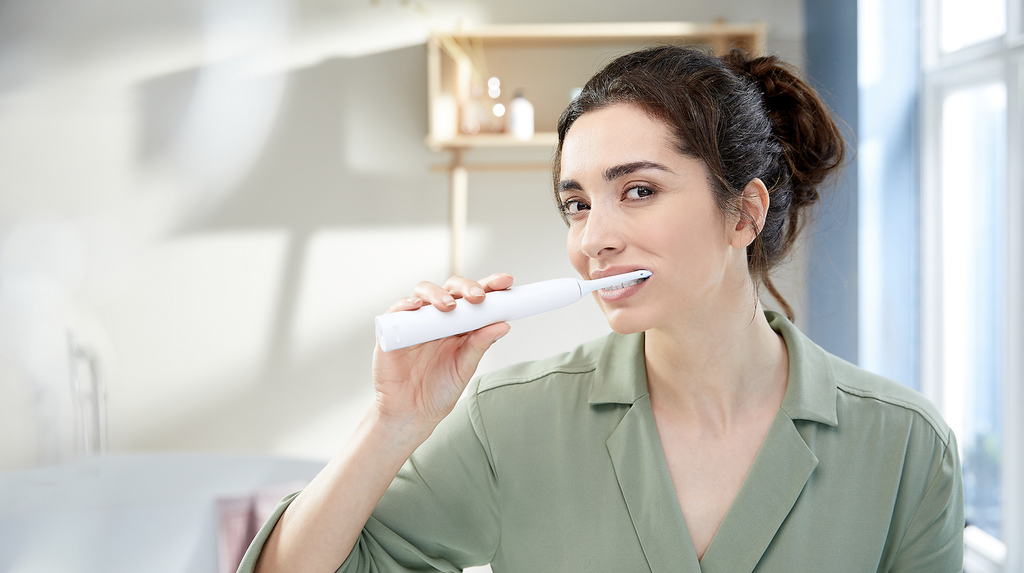
Several habits shorten the lifespan of an electric toothbrush faster than normal wear alone would cause, and most of them trace back to inconsistent care rather than a defect in the toothbrush itself. Leaving a toothbrush head on for many months past its recommended replacement interval, typically around three months, reduces cleaning effectiveness as bristles wear down and splay outward, even though the toothbrush handle itself may still be functioning normally.
Storing a toothbrush in a closed, humid environment such as a medicine cabinet without ventilation encourages bacterial growth on the bristles and around the base, which can shorten the usable life of both the brush head and the handle’s charging contacts if moisture seeps into the device over time. Rinsing the brush head thoroughly after each use and allowing it to air dry upright, rather than storing it wet in an enclosed space, extends both hygiene and mechanical longevity.
- Overdue head replacement: Keeping a brush head well past three months reduces cleaning effectiveness as bristles wear and splay.
- Humid, enclosed storage: A closed, poorly ventilated storage spot encourages bacterial growth and potential moisture damage.
- Skipping post-use rinsing: Leaving toothpaste residue on bristles after use contributes to faster bristle breakdown and buildup.
- Dropping or impact damage: Repeated drops can damage the internal motor mechanism even without visible external damage.
- Ignoring low battery warnings: Running a battery to complete depletion repeatedly can shorten its overall charge cycle lifespan.
Sharing a single toothbrush handle between family members, swapping only the head, is a common cost-saving habit worth examining from a hygiene standpoint rather than a purely financial one. While this practice reduces the number of handles a household needs to buy, it is worth confirming that heads are swapped cleanly and stored separately between uses, since any cross-contact between brush heads before the swap defeats the hygiene benefit of using separate heads in the first place.
Budgeting for Replacement Heads and Accessories
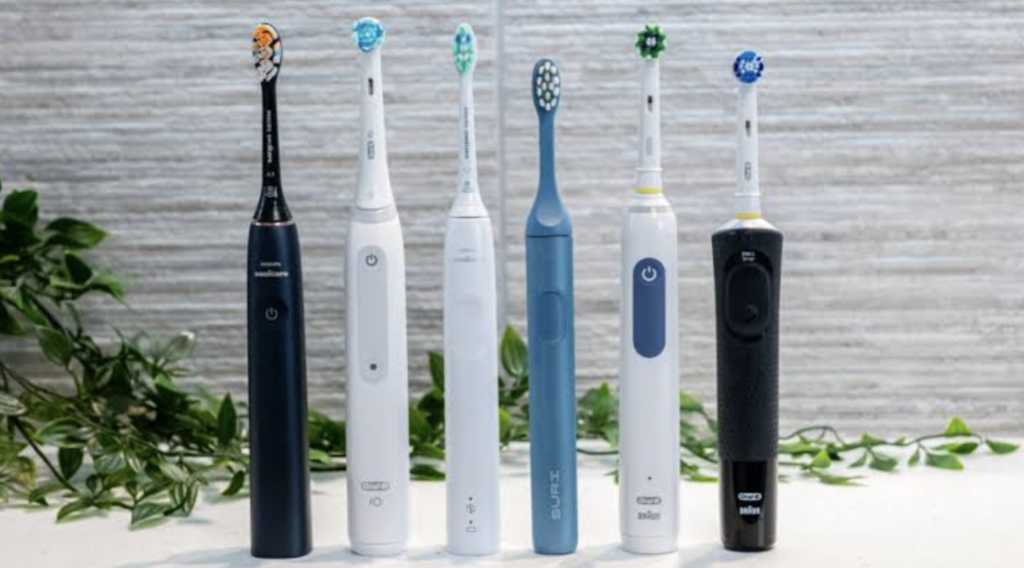
The upfront cost of an electric toothbrush handle is only part of the total ownership cost, since replacement heads are a recurring expense that adds up over a multi-year period of ownership. A head that needs replacement every three months translates to four replacement purchases per year, and the per-head cost varies widely depending on whether you choose the brand’s proprietary heads or a compatible third-party alternative.
Checking third-party compatibility before committing to a specific toothbrush brand can lower the long-term cost of ownership by a wide margin, since many popular electric toothbrush lines have a wide range of compatible generic replacement heads sold at a fraction of the brand’s own pricing. Reading reviews specifically about third-party head quality and fit is worth the time, since a poorly fitting generic head can either fall off during use or fail to seat properly against the motor’s drive mechanism, undermining the cost savings with reduced performance.
- Recurring head replacement cost: Four replacements per year at a given per-head price adds up over several years of ownership.
- Brand versus generic heads: Generic replacement heads often cost a fraction of proprietary ones, with some variation in fit and quality.
- Multi-pack purchasing: Buying replacement heads in bulk multi-packs typically lowers the per-unit cost compared with single purchases.
- Subscription replacement services: Some brands offer a subscription that ships new heads automatically on a set schedule.
- Accessory add-ons: Travel cases, UV sanitizers, and extra charging docks add convenience at an additional cost worth weighing against use.
Warranty coverage on the toothbrush handle itself is a detail often overlooked amid the focus on brush heads and cleaning technology, yet it directly affects the total cost of ownership if a motor fails earlier than expected. A longer warranty period, typically ranging from one to three years depending on the brand and price tier, offers a degree of protection against early failure that is worth factoring into a side-by-side comparison of two similarly priced models from different manufacturers.
Final Thoughts
Choosing an electric toothbrush comes down to separating features that affect real cleaning performance and gum health from those that mainly add convenience or a premium feel without changing brushing outcomes much. Brush head design, bristle softness, and a pressure sensor that curbs overly forceful brushing tend to offer the clearest benefit, while extensive app connectivity and multiple cleaning modes matter more for personal preference than for any documented health advantage.
Factoring in the recurring cost of replacement heads, rather than focusing only on the upfront handle price, gives a clearer sense of the total cost of ownership and helps match your purchase to brushing habits you are likely to maintain consistently for years rather than a feature set that looks impressive in a store display but goes unused once the novelty fades.
Read more about Techsipra
Frequently Asked Questions
1. Is a sonic or oscillating electric toothbrush better for cleaning teeth?
Neither technology has been shown to be clearly superior overall, since both reduce plaque and improve gum health compared with manual brushing. The better choice for most people comes down to comfort and which style encourages more consistent, properly timed brushing sessions.
2. How often should I replace my electric toothbrush head?
Most dental professionals recommend replacing a brush head every three months, or sooner if the bristles appear visibly worn or splayed. A head used past this point loses cleaning effectiveness even if the handle and motor continue to function normally.
3. Are app-connected smart toothbrushes worth the added cost?
This depends on whether you are likely to use the tracking features consistently over time. A pressure sensor addressing excessive brushing force offers a real, documented benefit, while detailed app-based coverage mapping appeals mainly to users who respond well to ongoing data feedback rather than a one-time curiosity.
4. Can a cheap electric toothbrush clean as well as an expensive one?
A budget electric toothbrush with a functioning vibration or oscillation mechanism can still clean teeth effectively, since consistent use and proper technique matter more than premium features. The main differences in pricier models tend to be convenience features, battery longevity, and build quality rather than a dramatic gap in basic cleaning capability.
5. Is it safe to use generic replacement brush heads instead of brand-name ones?
Generic heads from a reputable manufacturer can perform well and save money over time, though fit and quality vary across brands. Checking reviews specifically focused on compatibility and durability for a given toothbrush model helps avoid a poorly fitting head that could reduce cleaning performance or detach during use.
6. How do I know if I am brushing too hard?
Signs of excessive brushing pressure include receding gums, visible enamel wear near the gumline, and bristles that splay outward quickly even on a fresh brush head. A toothbrush with a built-in pressure sensor can flag this habit directly, which is one of the more reliably useful premium features available on higher-end models.