

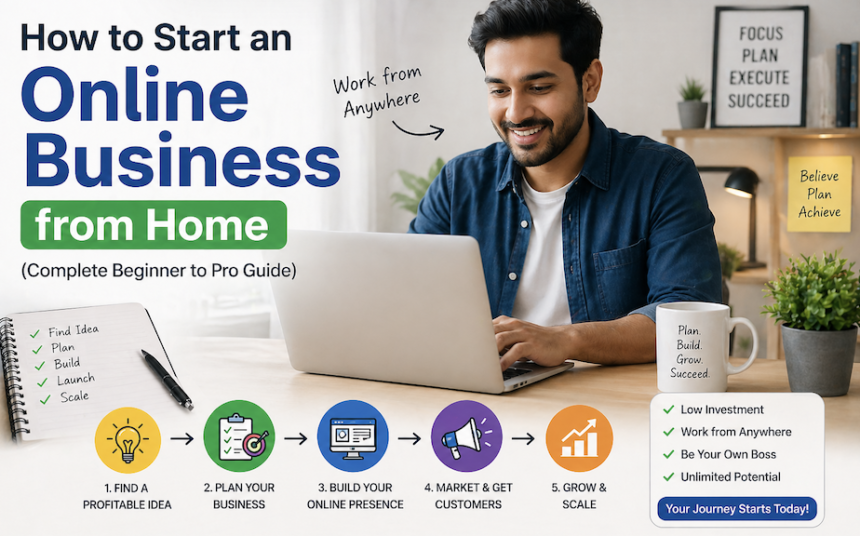
Starting an online business from home is no longer complicated or expensive. With the right approach, you can begin with zero investment and gradually build a professional, scalable business. This guide combines practical strategies, free tools, and structured planning so you can move from idea to income with clarity.
Choose a Profitable Idea and Niche
Every successful online business starts with a clear idea backed by real demand. Instead of chasing random trends, focus on identifying a specific problem people are already trying to solve. This could be anything from helping small businesses grow on social media to offering digital products like templates or guides. The key is to match your skills or interests with a market need. When your idea solves a genuine problem, selling becomes much easier.
Narrowing down your niche is equally important. A broad audience is harder to target, while a focused niche allows you to stand out quickly. For example, instead of targeting “fitness,” you could focus on “home workouts for busy professionals.” This makes your marketing more effective and helps you build trust faster. Research your niche using free tools like Google Trends or by exploring social media discussions to understand what people want. A well-defined niche not only reduces competition but also increases your chances of building a loyal audience and generating consistent income from home.
Validate Your Idea with Market Research
Before investing time into building your business, you need to confirm that your idea actually works in the real world. Market research helps you understand demand, competition, and customer behavior. Start by analyzing competitors in your niche. Look at what they offer, how they price their services or products, and how customers respond to them. This gives you insight into what works and where you can improve.
You should also check if people are actively searching for your idea. Use keyword research tools or simply explore Google search results and forums. If people are asking questions or looking for solutions, that’s a strong signal of demand. Social media platforms are also valuable for validation, as they reveal real conversations and pain points. Instead of guessing, you are using actual data to make decisions.
Validation saves you from wasting effort on ideas that won’t generate income. It also helps you refine your offer before launching. When you understand your audience deeply, you can create products or services that truly resonate with them, making it easier to attract customers and grow your online business from home.
Select the Right Business Model
Choosing the right business model determines how you will make money online. There are several proven models you can start from home without large investments. Freelancing allows you to sell your skills directly, such as writing, design, or digital marketing. Affiliate marketing lets you earn commissions by promoting other people’s products. Dropshipping and print-on-demand are popular for ecommerce, where you don’t need to manage inventory.
Another strong option is selling digital products like ebooks, templates, or online courses. These require effort upfront but can generate passive income over time. Service-based businesses, such as consulting or coaching, are also highly profitable and can be started quickly with minimal resources. The best model depends on your skills, goals, and how quickly you want to start earning.
Beginners should start simple. Avoid trying multiple models at once, as this can lead to confusion and slow progress. Focus on one approach, learn how it works, and improve over time. As your business grows, you can expand into other models. A clear and focused business model helps you stay organized, build expertise, and generate income more efficiently from your home setup.
Build Your Online Presence (Website or Platform)
Your online presence is the foundation of your business. It is where customers learn about you, trust you, and decide to buy from you. You can start with free platforms like social media pages, marketplaces, or blogging sites. These options allow you to launch quickly without spending money. As your business grows, creating your own website gives you more control and professionalism.
A good website should be simple, clear, and user-friendly. It should explain what you offer, who it is for, and why it is valuable. Avoid clutter and focus on guiding visitors toward taking action, such as contacting you or making a purchase. Your branding, including colors, logo, and tone, should remain consistent to build recognition and trust.
Search engine optimization (SEO) is also important for long-term growth. By creating helpful content and using the right keywords, you can attract organic traffic without paying for ads. Whether you use a free platform or a paid website, the goal is the same: build a strong, trustworthy presence that makes it easy for customers to find you and engage with your business.
Set Up Payments, Tools, and Operations
To run a smooth online business, you need the right systems in place. Start by setting up secure payment methods so customers can easily pay you. This could include online payment gateways, bank transfers, or digital wallets. A simple and reliable payment process builds trust and increases conversions.
Next, organize your operations. If you are selling services, this might involve scheduling tools, communication platforms, and project management systems. For product-based businesses, you need to manage orders, suppliers, and delivery processes. Many free tools are available to handle these tasks efficiently, from design software to email marketing platforms.
Keeping your finances organized is also essential. Separate your personal and business income, even if you are just starting. This helps you track profits, manage expenses, and prepare for growth. Having proper systems in place from the beginning reduces confusion and allows you to focus on scaling your business. A well-organized setup makes your online business more professional, efficient, and ready for long-term success.
Promote Your Business with Free and Paid Marketing
Marketing is what drives traffic and sales to your business. Without it, even the best products or services will go unnoticed. Start with free marketing strategies such as content creation, social media engagement, and search engine optimization. By consistently sharing valuable content, you can attract an audience and build trust over time.
Social media platforms are powerful tools for reaching potential customers. Join relevant communities, participate in discussions, and provide helpful insights. This positions you as an expert and encourages people to check out your offerings. Email marketing is another effective method, allowing you to stay connected with your audience and promote your products directly.
As your business grows, you can explore paid advertising to scale faster. Platforms like Google Ads or social media ads can bring targeted traffic to your business. However, it is important to start small, test different strategies, and focus on what works best. A balanced approach that combines free and paid marketing ensures steady growth while minimizing risk.
Launch, Test, and Improve Continuously
Launching your business is just the beginning. The real growth happens when you test, analyze, and improve your strategies. Pay attention to customer feedback, track your performance, and identify what is working and what needs adjustment. This could involve changing your pricing, improving your website, or refining your marketing approach.
Data plays a crucial role in this stage. Use analytics tools to understand your traffic, conversions, and customer behavior. Instead of guessing, make decisions based on real information. This helps you optimize your efforts and increase your chances of success.
Continuous improvement is what separates successful businesses from those that fail. Stay flexible and open to change. Trends, customer preferences, and market conditions evolve over time, so your business should adapt accordingly. By consistently learning and improving, you can build a strong and sustainable online business from home.
Scale Your Business and Build Long-Term Success
Once your business starts generating income, the next step is scaling. This involves expanding your reach, increasing your revenue, and improving efficiency. You can reinvest your profits into better tools, professional branding, and advanced marketing strategies. Scaling also includes automating repetitive tasks to save time and focus on growth.
Building strong relationships with your customers is key to long-term success. Encourage repeat purchases, offer excellent customer service, and create a positive experience. Loyal customers not only bring consistent income but also help promote your business through referrals.
You can also explore new opportunities, such as adding more products, entering new markets, or collaborating with other businesses. Growth should be strategic and based on proven results, not random decisions. With patience and consistency, your home-based online business can evolve into a stable and profitable venture that continues to grow over time.
Final Thoughts
Starting an online business from home is a practical and achievable goal. By combining a strong idea, smart planning, and consistent effort, you can build something valuable without needing a large investment. Focus on progress, not perfection, and keep improving as you go.
FAQ’s
Can I Launch a Free Online Business from Home?
Absolutely! Many online businesses, like freelancing, affiliate marketing, blogging, and selling digital products, cost nothing to start. Use free platforms such as Canva, WordPress.com, and Fiverr to kick off. Your skills and effort matter most; invest your time and reinvest earnings to grow. Starting without upfront costs minimizes risk and helps you learn fast.
What’s the Easiest Online Business for Beginners?
Freelancing is often the simplest choice. Platforms like Upwork and Fiverr let you offer services like writing, design, or social media management without needing a website. Affiliate marketing and content creation are also beginner-friendly, though they take longer to earn. Pick a simple option that matches your skills to get started quickly.
How Long Until I Make Money Online?
It depends on your approach. Freelancing can bring income in days or weeks, while blogging or affiliate marketing may take months. Consistency, niche choice, and effort speed things up. Stay patient and focus on steady growth; instant results are rare.
Do You Need a Website to Start?
Not right away. You can begin on social media or freelance sites that already have audiences. Later, building your own website boosts credibility and scalability. You can start small and develop your website once your business gains traction.
What Skills Do I Need to Start?
Basic skills like communication, problem-solving, and a willingness to learn are enough. Depending on your niche, skills like writing, design, or marketing help. Most skills can be learned online for free, focus on one at a time, and improve as you go.
Is Starting an Online Business at Home Risky?
Generally, no. It’s low risk since you avoid expenses like rent or inventory. The main investment is your time. Choose a proven idea, test it, and stay consistent to increase your chances of success. Starting small helps manage risks effectively.
How Do I Get My First Customer Online?
Begin by sharing your services with friends, family, or online groups. Use social media and freelance platforms like Upwork. Offer solutions to specific problems, and consider discounts to attract your first clients. Positive experiences lead to more referrals.
Can I Run a Part-Time Online Business?
Yes! Many start part-time while working or studying. Manage your time wisely; just a few focused hours daily can bring results. As your business grows, you can decide whether to turn it into full-time work.
What Are the Best Free Tools for an Online Business?
Use Canva for design, WordPress.com for websites, Zoom and Slack for communication, and Mailchimp for email marketing. These free tools cover essential functions and help you grow without initial costs. Upgrade later as needed.
What Mistakes Do Beginners Usually Make?
The biggest mistake is overthinking and delaying action. Trying too many ideas at once causes confusion. Focus on one plan, start small, and learn from real experience. Consistency beats perfection and leads to success.