

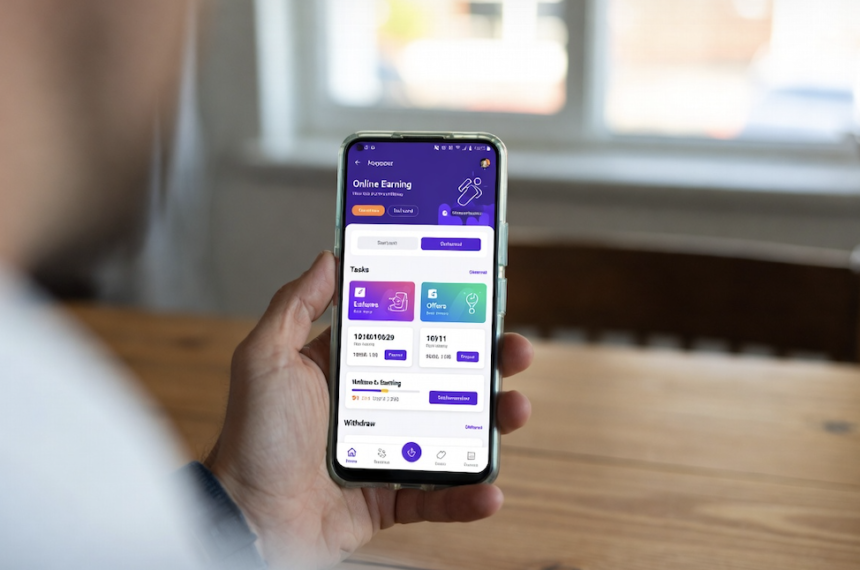
Online earning apps are everywhere now. Some promise quick cash, easy tasks, and fast withdrawals. Others look attractive but never pay users in the end. This is why many people ask the same question: Are online earning apps real or fake?
The honest answer is simple. Some apps are real, but many are not worth your time, and a few are made only to trick users. The good news is that you can learn how to tell the difference. If you know what to check, you can avoid scams and find apps that truly pay, even if the income is small at first.
In this guide, you will learn how these apps work, how to spot safe ones, what warning signs to watch for, and how to earn online without losing money. The language is simple, practical, and easy to follow.
What Are Online Earning Apps?
Online earning apps are mobile apps or websites that allow users to make money by doing different tasks. These tasks may include watching ads, taking surveys, testing games, referring friends, selling products, or doing freelance work. Some apps give cash, while others offer gift cards, points, or rewards that can be converted into money.
How these apps usually work
Most genuine apps have a clear business model. For example, survey apps earn money from companies that need customer feedback. Freelance apps connect clients with workers. Cashback apps share a small part of the shopping commission with users. In these cases, the app earns money first, and then it shares a part with you.
Fake apps work differently. They often promise very high income for almost no effort. They may ask you to deposit money, buy a membership, or invite many people before you can withdraw. Some also show fake balances to make users believe they are earning well.
That is why it is important to understand the app’s purpose before signing up. A real app may not make you rich, but it will usually be clear about how it pays, how long withdrawals take, and what rules apply. A fake app often hides important details and makes big claims without proof.
Online Earning Apps: Real or Fake?
The truth is that both real and fake apps exist. So the question is not only whether online earning apps are real or fake, but which ones are genuine and which ones are unsafe.
Real apps can help, but they are not magic
A real earning app can be useful for side income. You might earn a little extra money during free time, such as after work, while traveling, or on weekends. For example, someone may use a freelance app to find small writing jobs, or a cashback app to save money on regular shopping. These are real methods, but they do not usually create a full-time income quickly.
Fake apps use emotional pressure
Fake apps often use strong promises like “Earn $500 in one day” or “No skill needed, instant cash.” These lines are designed to attract people fast. They may also show fake user reviews, fake payment screenshots, or countdown timers to create pressure. In many cases, the app wants your personal data, ad views, referral traffic, or even your money.
If an app sounds too easy and too good, pause and check carefully. Real apps are usually clear, simple, and honest. Fake ones are loud, flashy, and full of big claims. A good rule is this: if the offer feels unrealistic, it probably is.
Signs That an App Is Genuine
A legitimate earning app usually has a few clear qualities. You do not need to be an expert to check them. A few simple steps can save you from trouble.
What to look for
- Clear company details: A real app often shows the company name, website, and support contact.
- Honest payment method: It explains how you get paid, such as PayPal, bank transfer, gift card, or wallet.
- Real user reviews: You can find balanced reviews on the app store and trusted websites.
- Fair tasks: The work should feel realistic, not impossible.
- Small but possible earnings: Real apps do not promise huge money for easy actions.
- Privacy policy and terms: A safe app usually shares rules about data and payments.
A simple example
Imagine two apps. One says you can earn a few dollars by answering surveys and cash out after reaching a small limit. The other says you can make hundreds every hour by clicking ads and paying a small “activation fee.” The first one may be real, even if the income is modest. The second one is a major warning sign.
A real app may still have delays or limits, but it should not hide how it works. If the rules are clear and the reviews look genuine, the app is more likely to be safe. Always check before you spend time or share personal details.
Warning Signs of a Fake Money-Making App
Fake apps often look polished, but they leave clues. If you know these clues, you can protect yourself.
Red flags you should not ignore
- high income claims with no effort
- No company name or no support team
- Forced deposits or membership fees
- Fake-looking reviews with repeated praise
- Withdrawal problems or hidden conditions
- Too many ads and very little real work
- Requests for sensitive data without a reason
- Poor app store ratings and many complaints
Why these signs matter
A fake app may let you collect points for days or weeks, but when it is time to withdraw, it adds new conditions. It may ask for a fee, a referral target, or a higher balance. Some apps never allow payment at all. Others use your data for marketing or spam.
One common trick is the “minimum withdrawal trap.” The app says you need to reach a small amount, like $10 or $20. After you get close, it changes the rules or stops responding. Another trick is the “invite more users” method, where you must bring many friends before you can cash out. This is often a sign of a pyramid-style system.
If you see these patterns, stay away. Your time is valuable, and your data is even more important. Safe earnings should feel honest, not confusing or stressful.
How to Use Earning Apps Safely
You can use earning apps wisely if you follow a few simple habits. This helps you avoid scams and choose better opportunities.
Smart steps to follow
- Read reviews from different sources, not only the app store.
- Start with free tasks before sharing money or personal data.
- Check the withdrawal rules before you begin.
- Use a separate email for sign-ups if needed.
- Never pay a fee unless the app is from a trusted company.
- Avoid apps that pressure you to invite others quickly.
- Test small withdrawals first.
A practical approach
Think of earning apps as side tools, not main income sources. They can be helpful for extra pocket money, savings, or small freelance work. But they should never replace a stable job or a real skill. If you spend one hour and earn a few dollars, that can still be fine. The key is to know the app’s real value.
Also, protect your phone and accounts. Download apps only from trusted stores. Check app permissions carefully. A survey app does not need access to your contacts, messages, or camera in most cases. If it asks for too much, it may not be safe.
The best strategy is to use your time on apps that are clear, tested, and realistic. That way, you can earn without stress or loss.
Best Realistic Ways to Earn from Apps
Not every earning app is equal. Some methods are better than others because they are more practical and more likely to pay.
Useful app-based earning options
- Freelance apps: Good for writing, design, data entry, or virtual help
- Survey apps: Simple tasks, but income is usually low
- Cashback apps: Helpful for saving money on shopping
- Selling apps: Useful if you want to sell items, crafts, or used goods
- Microtask apps: Small online jobs like tagging, testing, or checking content
- Content apps: Some platforms pay for videos, posts, or creative work
Which ones are best?
If you have a skill, freelance apps are often the best choice. They may take time to build, but they can bring real income. If you only want extra money, cashback, and small task apps are fine. Survey apps are easy, but they usually pay the least. Selling apps can work well if you have products to list. The best app for you depends on your time, skills, and goals.
A good rule is to choose apps with real business value. If the platform helps companies, customers, or buyers in a clear way, it has a better chance of being real. If it only sells dreams, it is likely fake.
Conclusion
So, are online earning apps real or fake? The answer is both. Some apps are genuine and can help you earn extra money, while others are built to mislead users. The key is to stay alert, read the rules, check reviews, and avoid offers that sound too good to be true.
If you choose carefully, earning apps can be a useful side option. But if you rush, trust random promises, or pay without checking, you may lose time or money. Use simple research, trust real proof, and focus on apps that are clear and honest. That is the safest way to earn online in today’s digital world.
FAQ’s
Are online earning apps safe to use?
Some are safe, but not all. A safe app has clear payment rules, a known company, and real reviews. Always check the app before sharing money or personal details. If it asks for a fee or promises a very high income, be careful.
Can I really make money with online earning apps?
Yes, but usually only a small amount at first. Real apps can pay for surveys, freelance work, cashback, or small tasks. They are best for side income, not quick wealth.
How do I know if an app is a scam?
Watch for warning signs like high income promises, hidden fees, poor support, and fake reviews. If the app makes withdrawal difficult or keeps changing the rules, it may be unsafe.
Which type of earning app is best for beginners?
Freelance, survey, and cashback apps are common starting points. Freelance apps are best if you have a skill. Survey and cashback apps are easier, but the earnings are smaller