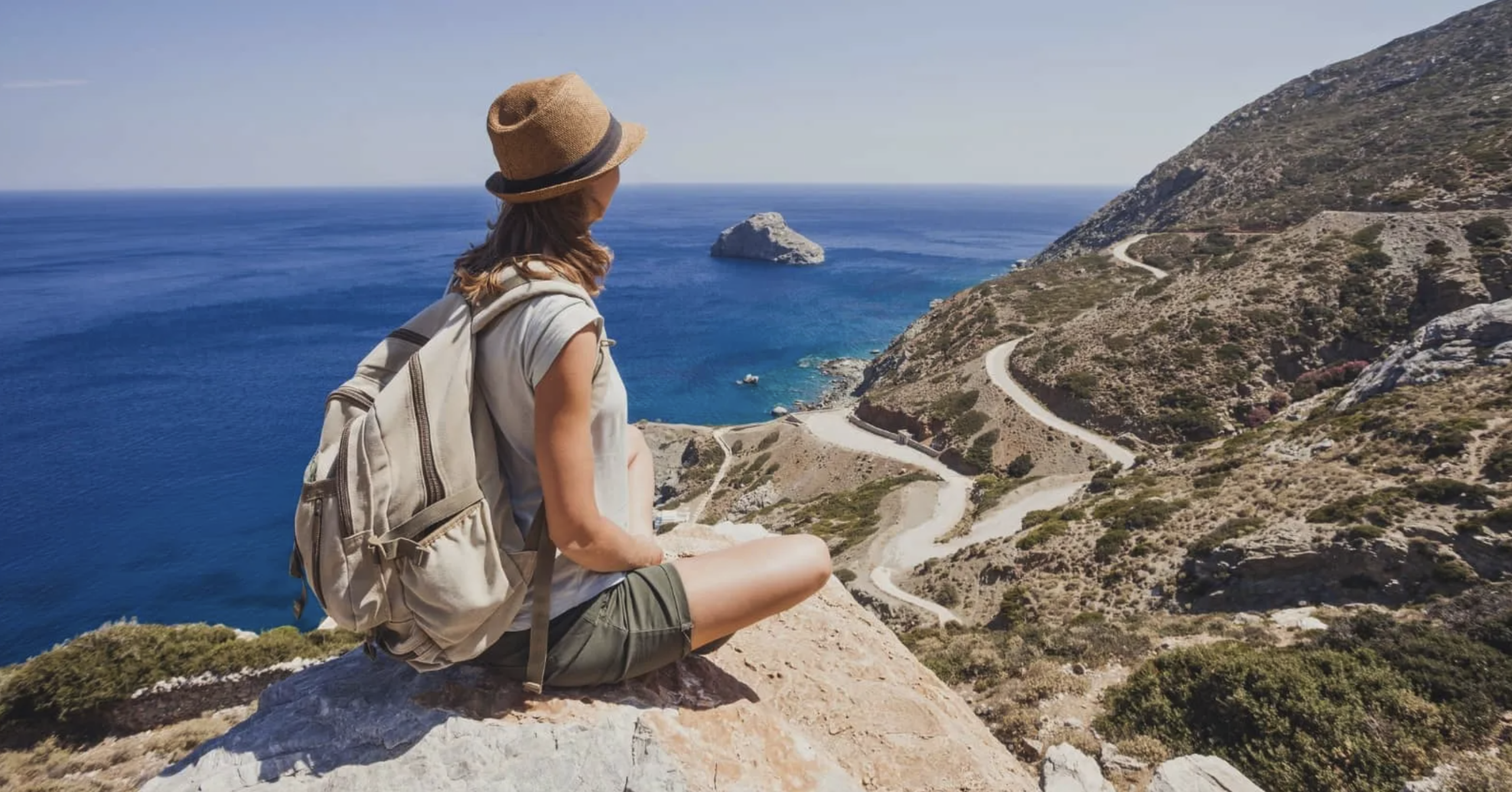
A traveler spends three weeks in one small Italian town instead of ten days racing through six countries. She learns the baker’s name, gets recognized at the local market, and comes home with a genuinely different kind of story than the friend who photographed twelve landmarks in the same amount of time. That’s the appeal slow travel is built around.
Traditional vacation planning often emphasizes seeing and experiencing as much as possible within limited time. A growing number of travelers are choosing a fundamentally different approach instead, slow travel, prioritizing depth and genuine connection over the sheer number of destinations covered.
What Slow Travel Actually Means
Slow travel is a deliberate approach that prioritizes spending extended time in fewer destinations, allowing for deeper, more authentic engagement with local culture and surroundings rather than rushing between numerous locations within limited time. It extends beyond simply the duration of a stay, reflecting a broader mindset that genuinely values quality of experience over the quantity of destinations covered.
This represents more than a scheduling preference. It’s a genuine reconsideration of what makes travel experiences meaningful, prioritizing authentic connection over the more superficial satisfaction of technically having visited numerous different places.
Why This Has Gained Real Momentum
Growing awareness of burnout has prompted reconsideration of rushed, exhausting travel approaches. Increased remote work flexibility has enabled longer stays that were previously impractical for a lot of people. Environmental awareness has pushed some travelers to reconsider the impact of frequent, rapid travel. And a genuine, growing desire for authentic experiences over superficial sightseeing has shaped this shift across the board.
The rise in location-flexible work has practically enabled a growing number of people to extend their stays considerably longer than traditional vacation time would have previously allowed, making slow travel a genuinely more accessible option for anyone who can now work remotely.
How Slow Travel Actually Differs From Traditional Tourism
Slow travel emphasizes local immersion over primarily visiting major tourist attractions. It often means engaging with local communities and daily life rather than staying within tourist-focused spaces. Slow travelers typically prioritize fewer, deeper experiences over checking numerous attractions off a list, and the philosophy genuinely values the journey itself, not simply reaching specific milestones.
Traditional tourism often means experiencing a destination through its most prominent attractions and accommodations designed specifically for visitors. Slow travel encourages engaging more directly with authentic local life, shopping at local markets, using public transportation like a resident, or simply spending unstructured time observing and participating in a destination’s genuine daily rhythms.
The Real Practical Benefits
Extended stays often allow securing more favorable accommodation rates for longer bookings. Slower pacing reduces the exhaustion and stress associated with constantly rushing between destinations. This approach provides genuine opportunity to develop deeper understanding and appreciation of a specific place, and extended time allows for genuinely spontaneous discoveries beyond rigid, predetermined itineraries.
Rigid, tightly scheduled itineraries leave genuinely little room for the unplanned discoveries and chance encounters that frequently become travelers’ most treasured, memorable moments. Slow travel’s more flexible, unhurried approach creates considerably more space for these authentic, unplanned experiences to actually happen.
The Environmental Dimension
Fewer, longer trips can reduce cumulative transportation emissions compared to frequent, shorter trips. Extended stays allow more environmentally conscious transportation choices within a destination, walking or cycling rather than repeated taxi rides. This approach can support local economic sustainability through more extended community engagement, all of which helps explain slow travel’s appeal to environmentally conscious travelers specifically.
Practicing Slow Travel Within a Realistic Timeframe
Consider choosing fewer destinations even within a standard vacation timeframe. Prioritize depth of experience within your chosen destinations over maximizing the number of attractions visited. Build in genuinely unstructured time for spontaneous exploration rather than scheduling every single moment. Apply the underlying philosophy of genuine presence and engagement even during a shorter overall trip.
Slow travel doesn’t require unlimited time or an extended sabbatical to meaningfully apply. It’s an approachable mindset travelers can genuinely incorporate even within standard vacation timeframes, simply by choosing fewer destinations and prioritizing depth over maximizing coverage.
The Real Trade-Offs
Slow travel genuinely means experiencing fewer total destinations within any given amount of time. It may not suit travelers specifically wanting to maximize destination variety within a limited trip. Extended stays require genuinely different practical planning than shorter, traditional vacation stays, so understanding these trade-offs helps you decide honestly whether this approach actually suits your preferences.
Who Slow Travel Genuinely Suits Best
Travelers prioritizing authentic cultural understanding over destination variety often find slow travel particularly appealing. Those seeking genuine rest and rejuvenation, rather than an exhausting whirlwind of activity, tend to prefer this pacing. Remote workers or anyone with genuinely flexible schedules find it practically well-suited to their circumstances.
How to Ease Into It Without a Complete Lifestyle Overhaul
Start smaller than you might expect, extending one leg of an upcoming trip by a few extra days rather than redesigning your whole travel style at once. Notice how that extra time actually feels. Many people find that even a modest experiment with slower pacing changes how they want to plan future trips going forward.
The Financial Math People Often Get Wrong
There’s a common assumption that slow travel automatically costs more simply because the trip lasts longer overall. In practice, the math often works the other way. Many destinations offer meaningfully discounted rates for weekly or monthly accommodation bookings compared to nightly rates, sometimes cutting the effective daily cost by a third or more. Add in the savings from cooking some of your own meals in a rental with a kitchen, rather than eating every meal out, and an extended slow-travel stay can genuinely end up cheaper per day than a shorter, faster-paced trip to the same region.
The trade-off, of course, is that a longer trip still requires more total days away, which isn’t feasible for everyone’s schedule or budget regardless of the improved daily rate. But the specific claim that slow travel is inherently the pricier option doesn’t hold up as consistently as people tend to assume.
What Slow Travel Actually Feels Like Once the Novelty Wears Off
Worth mentioning honestly: the third week in one place doesn’t feel like a vacation the same way the third day does. The initial excitement of a new destination genuinely fades, replaced by something closer to actual daily life, grocery runs, laundry, a familiar walking route. Some travelers find this deflating at first, expecting sustained vacation-level excitement throughout.
But this shift is often exactly the point, not a failure of the trip. That settling-in period is when the more superficial tourist experience gives way to something that actually resembles understanding a place, rather than simply visiting it. Setting expectations for this transition in advance helps prevent it from feeling like something has gone wrong partway through an extended stay.
Visa and Legal Realities Slow Travel Runs Into
An extended stay somewhere often bumps up against tourist visa limits that were never designed with weeks-long stays in mind. Many countries cap standard tourist visas at thirty or ninety days, which genuinely constrains how “slow” a single-country slow travel stint can actually be without pursuing a different visa category, a visa run, or formal extension paperwork.
This is a genuinely practical detail that trips people up more often than the travel inspiration content around slow travel tends to mention. Researching your specific destination’s visa rules before committing to an extended stay avoids the unpleasant surprise of realizing partway through that you’re legally required to leave sooner than your actual plans assumed.
Final Thoughts
Slow travel represents a genuinely meaningful shift toward prioritizing depth, authentic connection, and genuine presence over covering as many destinations as possible within limited time. Understanding both its real benefits and its practical trade-offs helps you decide whether incorporating slow travel principles, even within realistic time constraints, might genuinely enhance your own future trips.
Frequently Asked Questions
How long does a trip need to last to actually qualify as slow travel?
There’s no strict minimum, though it generally involves stays of at least several days to weeks or longer in a single destination, the defining characteristic is depth and immersion, not any specific duration threshold.
Is slow travel more expensive than traditional, faster-paced travel?
It varies considerably. Extended stays sometimes offer better accommodation rates, but overall cost depends significantly on your specific destination and travel style choices throughout the trip.
Can slow travel work with typical, limited vacation time?
Yes, the underlying philosophy of depth over breadth can be applied even within standard vacation timeframes by choosing fewer destinations and prioritizing genuine immersion, even if the overall trip duration stays relatively modest.
Does slow travel mean staying in one place the entire time?
Not necessarily, it can involve visiting a small number of destinations with genuinely extended time in each, though the underlying philosophy consistently emphasizes fewer destinations with deeper engagement.
Is slow travel suitable for family trips with children?
Yes, many families find the relaxed pacing particularly well-suited to traveling with kids, since it reduces the exhaustion that rushed, packed itineraries can create for young travelers.
Does slow travel mean avoiding popular tourist attractions entirely?
Not necessarily, it encourages balancing these experiences with genuine local immersion and unstructured time, letting travelers still visit significant sites while also experiencing a destination’s more authentic, everyday character.