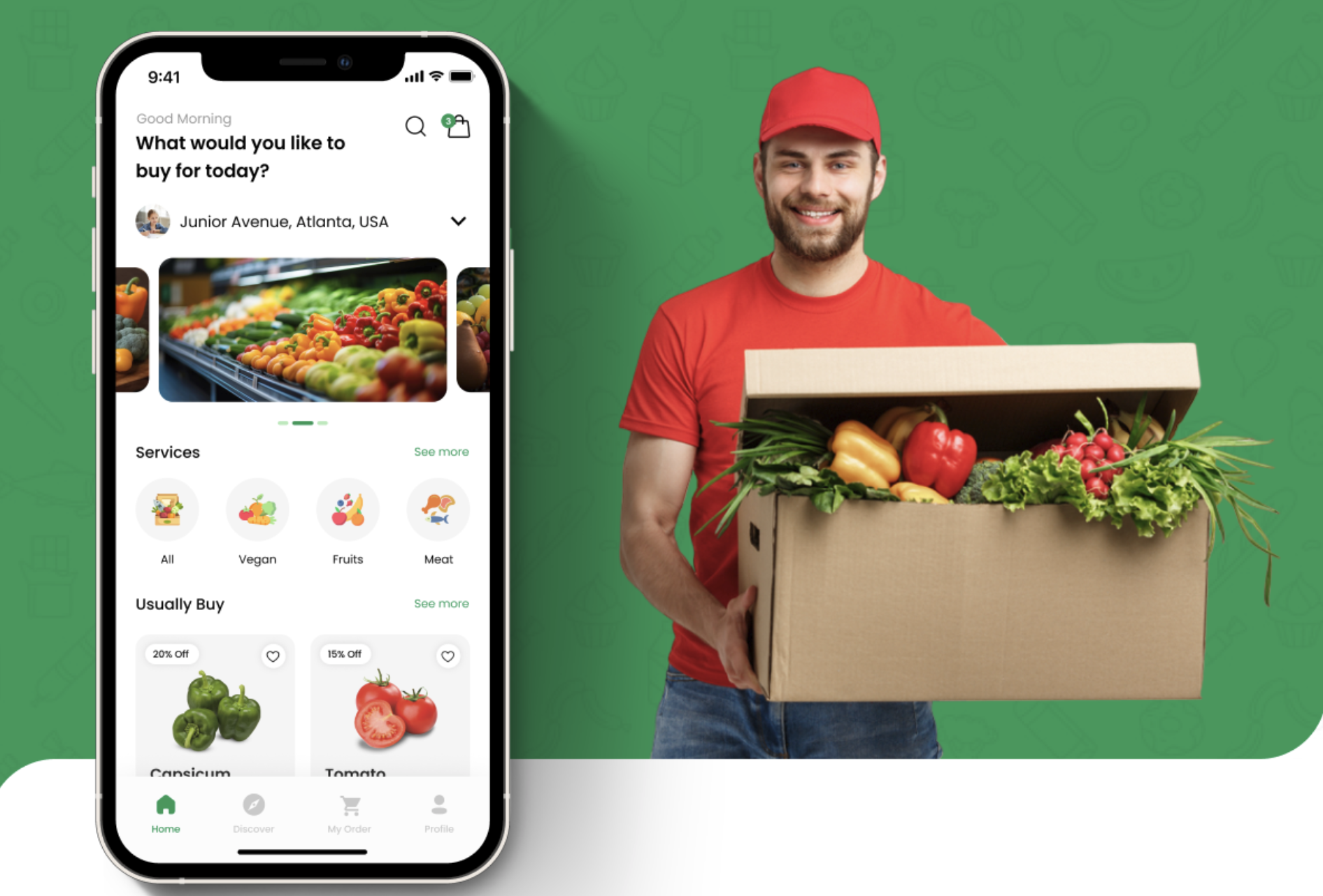
Grocery delivery has moved from a novelty to a default habit for millions of households, yet the true cost of ordering groceries through an app rarely matches the number shown at checkout.
Between delivery fees, service charges, markup on individual items, and tipping norms, the final bill can run well above an in-store trip for the same cart.
This guide breaks down how the major platforms structure their pricing, where the hidden costs tend to hide, and how to decide when delivery saves you money, time, or neither.
Comparing Delivery Fees Across Major Apps
Every grocery delivery platform charges in a slightly different way, and the labels used at checkout rarely tell the full story. A flat delivery fee might look reasonable on its own, but it is often paired with a separate service fee, a small order fee, and a suggested tip that defaults to a percentage of the cart total rather than a flat rate. Some apps bundle these costs into a membership program instead, waiving delivery charges for orders above a minimum threshold while still applying a service fee on top.
The gap between platforms becomes clearer when you look at how fees scale with order size and distance. A short trip from a nearby store might carry a modest fee, while a delivery from a farther location or during a busy evening window can nearly double the charge through dynamic pricing.
Reading the full fee breakdown before confirming an order, rather than relying on the subtotal shown while browsing, is the only reliable way to know what you are agreeing to pay.
- Delivery fee: A charge tied to distance, order size, or demand at the time you place the order.
- Service fee: A percentage-based charge that covers platform operations and is applied regardless of delivery distance.
- Small order fee: An added charge for carts that fall below a store’s minimum order threshold.
- Priority or express fee: An optional charge to move your order ahead of others in the queue for faster arrival.
- Driver tip: A separate amount, often defaulted to a percentage, that goes directly to the person delivering your order.
Pricing structures also shift when a platform runs a promotional push to win new customers. A first-time user might see delivery waived entirely, only to find that the fee returns in full on the second or third order once the introductory period ends. Because these promotions are rarely flagged clearly as temporary, it is worth checking the account settings or billing history after a few weeks to confirm what you are being charged compared with what appeared during your first order. Treating an introductory rate as the permanent price is one of the most common ways shoppers misjudge a platform’s real cost over a full year of use.
Calculating Real Savings Versus Store Trips
The case for grocery delivery rests on more than convenience; it also depends on what your time and transportation really cost. A household that drives fifteen minutes each way, spends thirty minutes shopping, and pays for gas and parking is spending real money even before the receipt is scanned. Delivery can offset some of that cost, but only when the fees charged do not exceed the value of the time saved.
A useful exercise is to track two or three weeks of orders side by side with the in-store price for the same items. Many platforms mark up individual product prices above what the physical store charges, which means the subtotal itself is already inflated before fees and tips are added. Shoppers who assume the per-item price matches the shelf price are often surprised when a side-by-side comparison shows a ten to fifteen percent markup built into the catalog.
- Hourly value of your time: Estimate what an hour of your own time is worth before assuming delivery is more expensive.
- Transportation cost: Factor in gas, parking, and vehicle wear for the trip you would otherwise make.
- Impulse purchases avoided: Shopping from a list online often reduces the extra items added during an in-store walk.
- Item markup: Compare five or six staple prices on the app against the same items on the store’s own site or a recent receipt.
- Bundled discounts: Some stores apply loyalty pricing only on their own app or website, not through third-party delivery platforms.
Households with tight schedules often find that the real benefit of delivery shows up on the days a store trip simply would not have happened at all. A parent juggling work and school pickups, or a person recovering from an illness, may value having groceries arrive reliably over saving a few dollars at the register. The calculation changes from a pure cost comparison into a question of which option keeps the household running smoothly, and that value is real even when it does not show up on a spreadsheet. The key is recognizing which weeks fall into that category and which ones are simply routine shopping that could be done in person without added fees.
Spotting Hidden Charges and Markups
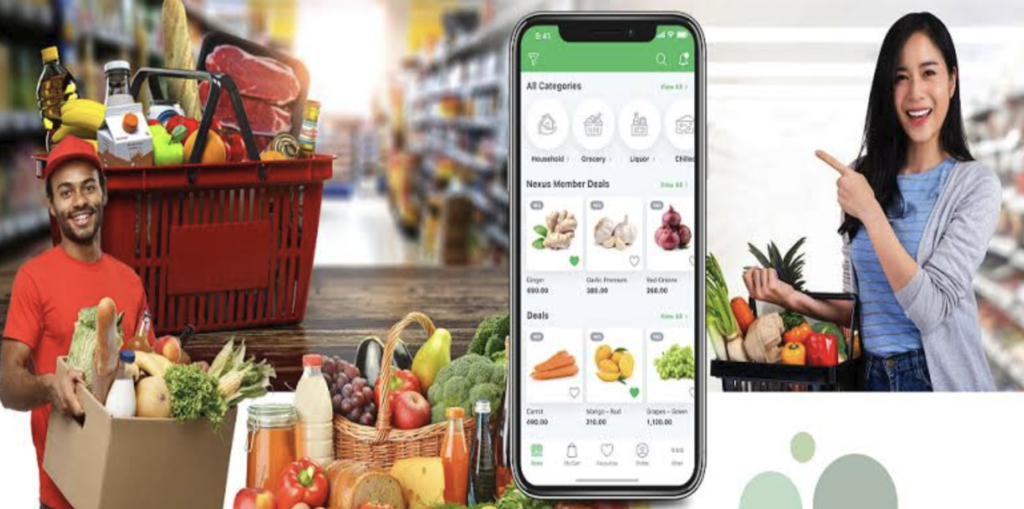
Beyond the fees listed at checkout, several costs are easy to miss because they are built into the structure of the order rather than itemized separately. Substitution policies, for example, can quietly raise your total when a delivery shopper swaps a sale item for a full-price alternative without flagging the change clearly. Weight-based items such as produce and meat are also estimated at checkout and adjusted after the order is picked, which can shift your final charge in either direction.
Subscription-based free delivery programs carry their own form of hidden cost. A monthly or annual membership fee only pays for itself if you order frequently enough to offset what you would have paid in per-order delivery charges. Many households sign up during a promotional period, forget to evaluate whether they are still using it enough, and continue paying for a membership that no longer makes financial sense.
- Substitution upcharges: A swapped item priced higher than the one you selected, applied automatically unless you set limits.
- Weight estimation variance: Produce and deli items billed at an estimated weight, then corrected after the order is weighed.
- Dormant memberships: A paid delivery subscription still being charged months after your ordering frequency dropped.
- Bag or bottle fees: Small per-order charges tied to local packaging or container deposit laws.
- Out-of-stock replacement fees: Higher-priced alternatives chosen by a shopper when your preferred item is unavailable.
Reading the fine print on a store’s own pricing policy for delivery partners can also reveal why the same item costs more on an app than it does in the aisle. Some retailers set a separate, higher price list specifically for third-party platforms to offset the commission they pay per order, while others keep pricing identical and let the platform’s own fees carry the difference. Knowing which model your usual store follows helps you decide whether ordering directly through the retailer’s own app, when available, might shave a few percentage points off the total compared with a third-party delivery service covering the same store.
Choosing a Membership Plan for Your Household
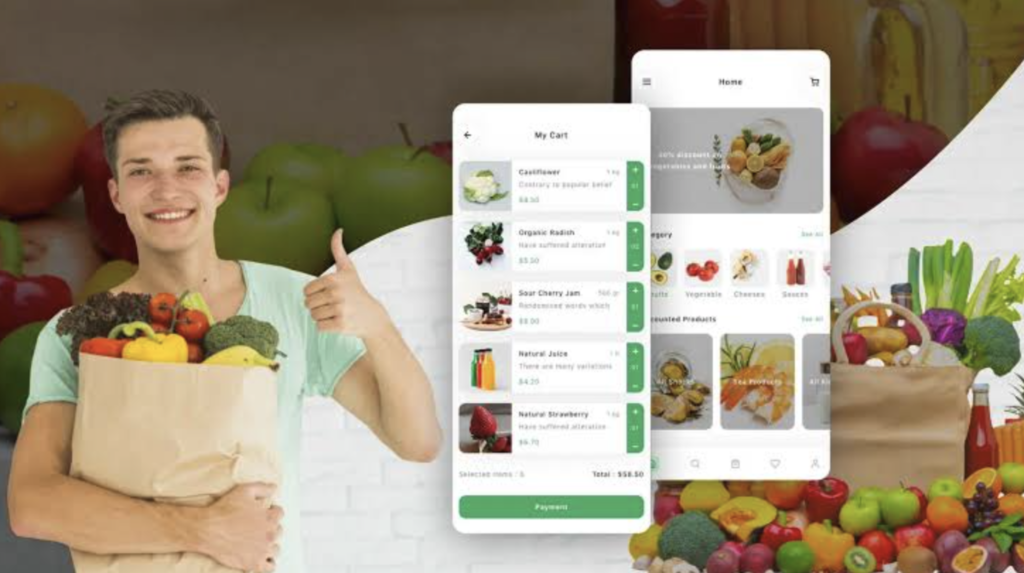
Membership programs that waive delivery fees can make sense for households that order multiple times per month, but the math changes quickly for occasional users. Before signing up, add up how many separate deliveries you placed over the past three months and multiply that by the standalone delivery fee you were charged. If that total is lower than the cost of a year-long membership, the subscription is not paying for itself regardless of how convenient it feels.
It also helps to check whether a membership applies across multiple retailers or is locked to a single grocery chain. A household that shops at two or three different stores depending on sales and availability may find that a single-retailer membership only covers part of their real shopping pattern, leaving standalone fees in place for every other order.
- Order frequency: Count real deliveries per month rather than estimating from memory.
- Retailer coverage: Confirm whether the membership applies to one store or a network of partner retailers.
- Minimum order requirements: Check whether free delivery still requires a cart above a set dollar amount.
- Trial period terms: Note the exact date a free trial converts to a paid annual charge.
- Overlap with other subscriptions: Review whether an existing streaming or retail membership already bundles grocery delivery benefits.
Family and household sharing options are worth a close look as well, since several platforms allow a single membership to cover multiple accounts under one roof. Splitting the annual cost among roommates or extended family members who all shop from the same chain can turn a marginal subscription into a clear value, provided everyone involved truly uses it often enough to justify the shared cost. Before committing to a shared plan, confirm whether each member gets a full account with their own order history or a limited guest-style access that restricts certain features, since the terms vary noticeably from one platform to the next.
Avoiding Common Ordering Mistakes
Even shoppers who are careful about fees can lose money through habits built into how the apps are designed. Browsing without a list tends to produce larger carts than planned, since recommended items and promotional banners are placed deliberately throughout the ordering flow. Placing an order late at night for next-morning delivery can also trigger a surge fee if demand is high in your area, even when the same order placed a few hours earlier would have cost less.
Another frequent mistake is ignoring the substitution settings before checkout. Default settings often allow a shopper to choose any replacement at their discretion, which can lead to items you did not want and would not have paid full price for. Taking two minutes to set preferences for each line item, or marking items as “no substitute,” gives you control over both cost and quality.
- Shopping without a list: Browsing the app leads to impulse adds that a written list would have prevented.
- Ignoring substitution settings: Leaving defaults in place invites pricier or unwanted replacement items.
- Ordering during peak hours: Evening and weekend slots often carry higher dynamic fees than midweek mornings.
- Skipping the fee breakdown: Confirming an order without reviewing the itemized charges hides the true total.
- Tipping before delivery: Pre-tipping removes an incentive for careful handling that a post-delivery tip preserves.
Saved carts and reorder shortcuts, while convenient, can also work against a shopper’s budget over time. Prices shift week to week, and a reorder button that pulls in last month’s list at current prices may quietly add a few dollars here and there across a dozen items without drawing attention. Reviewing a reordered cart line by line before checkout, rather than trusting that the list still reflects what you need or what those items now cost, keeps the convenience of a saved list from turning into a source of slow, unnoticed overspending.
Tracking Tips, Substitutions, and Refunds
Tipping etiquette for grocery delivery is less standardized than for restaurant delivery, and defaults shown at checkout are often set higher than what is customary in many regions. A flat tip based on effort and distance, rather than a percentage of a large grocery order, is a reasonable approach that keeps costs predictable regardless of how much you spend on groceries that week.
Refund requests are another area where tracking matters. Missing items, damaged produce, and incorrect substitutions are common enough that most platforms have a straightforward in-app process for reporting them, but refunds are rarely issued automatically. Keeping a brief record of what arrived versus what was ordered, especially for larger weekly orders, makes it easier to catch patterns such as a specific store location that consistently under-fills orders.
- Flat versus percentage tipping: A fixed tip amount keeps costs steady across orders of varying size.
- Reporting windows: Most apps limit refund claims to a short window after delivery, often twenty-four to forty-eight hours.
- Photo documentation: Taking a picture of damaged or missing items speeds up the refund review process.
- Credit versus cash refunds: Some platforms default to account credit rather than a refund to your original payment method.
- Pattern tracking: Logging recurring issues from the same store location helps you decide whether to switch retailers.
A running log does not need to be elaborate to be useful. A simple note on your phone listing the date, store, and issue is enough to reveal whether a problem is a one-time mistake or a repeated pattern tied to a specific location or time of day. Over a few months, that record can guide a decision to switch stores entirely, request a different delivery window, or escalate a recurring complaint to customer support with evidence that makes the case clearly rather than relying on memory alone.
Final Thoughts
Grocery delivery can be a smart trade of money for time, but only when the fees and item markups are weighed honestly against what a store trip would have cost. The platforms are designed to make the subtotal look appealing while fees, tips, and substitutions accumulate separately, so the habit of checking the full breakdown before confirming an order is worth building regardless of which app you use.
Households that track their real ordering frequency, compare membership costs against real usage, and set clear substitution preferences tend to get the most reliable value from delivery, while those who order on autopilot are the ones most likely to be paying more than they realize.
Treat the first few weeks with any new app as a trial period for your own records, not just for promotional pricing. Save a receipt or screenshot from an in-store trip and a delivery order for the same list of items, and compare the two side by side once the novelty wears off.
That single comparison will tell you more about whether a given platform fits your budget than any marketing claim about savings, and it gives you a concrete baseline to revisit whenever fees, membership terms, or your own shopping habits change.
Read more about Techsipra
Frequently Asked Questions
Does a grocery delivery membership pay for itself for a small household?
It depends on order frequency rather than household size. A single person who orders twice a month may still benefit if the standalone delivery fee exceeds the prorated monthly membership cost, while a larger household ordering once every few weeks may not reach the break-even point.
Are prices on delivery apps always higher than in-store prices?
Not universally, but markups of five to fifteen percent on individual items are common on many platforms, especially for produce, dairy, and name-brand packaged goods. Comparing a handful of staple prices against a recent in-store receipt gives a fast read on whether markup is present for your usual store.
How can I reduce the chance of a surge delivery fee?
Ordering during midweek mornings or early afternoons, rather than weekend evenings, tends to carry lower dynamic fees. Scheduling a delivery window a day in advance instead of requesting the next available slot also helps avoid peak pricing.
How should I handle wrong or missing items?
Report the issue through the app’s support flow as soon as possible, ideally with a photo, since most platforms set a short window for refund claims. Keeping a simple log across several orders also reveals whether one store location is a repeat source of errors.
Should I tip before or after the delivery arrives?
Tipping after delivery, based on how the order was handled, keeps an incentive in place for careful shopping and timely arrival. Pre-tipping removes that incentive, though some platforms adjust the tip downward by default once it is set in advance.
Is it worth using more than one delivery app at once?
Comparing prices across two platforms for a single large order can reveal real differences in fees and item markup, especially during promotional periods. Running multiple active memberships at the same time, however, rarely makes financial sense unless each one is used regularly enough to justify its own cost.