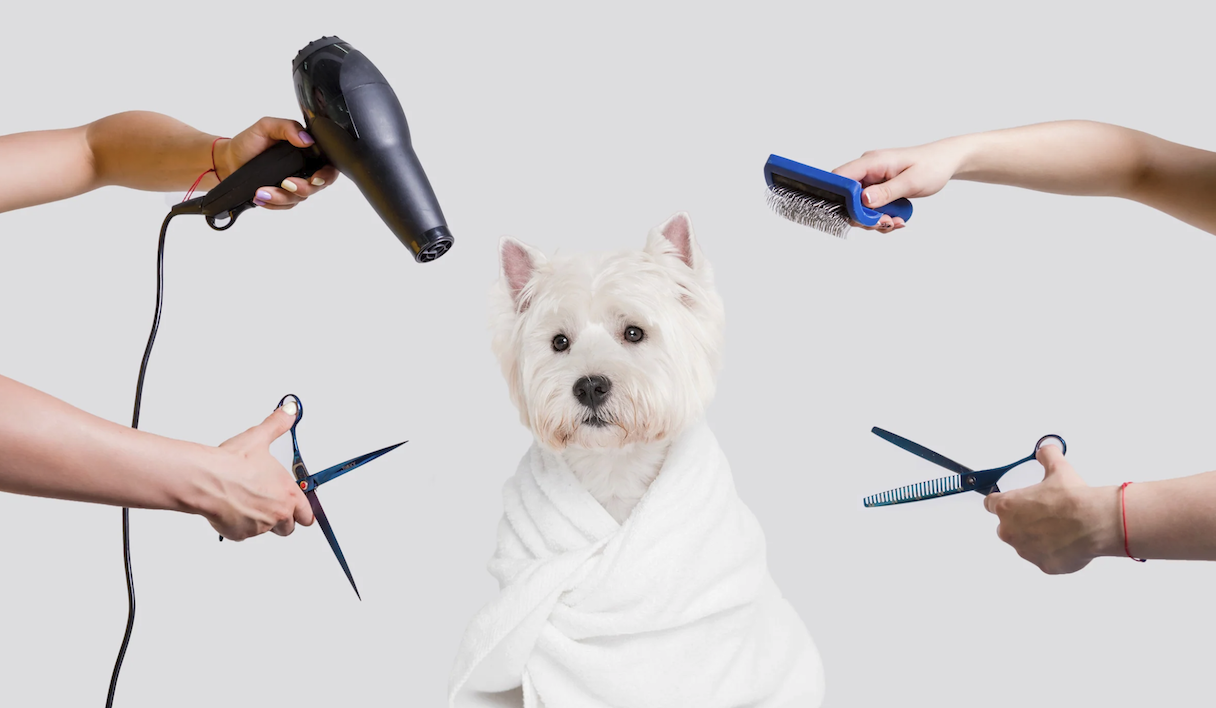
A professional grooming appointment can run well over sixty dollars for a mid-sized dog and even more for breeds with dense or curly coats, and for households with multiple pets or a pet that needs grooming every few weeks, that cost adds up quickly.
Learning to handle brushing, bathing, nail trims, and basic coat maintenance at home can cut that recurring expense substantially while also reducing the stress some pets feel during a trip to an unfamiliar grooming salon.
This guide covers the tools worth owning, the techniques that make home grooming safer and more effective, and where it still makes sense to call in a professional.
Assembling a Basic Grooming Tool Kit
A functional home grooming setup doesn’t require every gadget sold at a pet supply store, but a handful of core tools cover most routine needs. A slicker brush handles everyday coat maintenance for most breeds, working through tangles and loose fur close to the skin.
A metal comb helps check for remaining tangles after brushing and is especially useful for double-coated breeds prone to matting behind the ears and around the legs. Nail clippers or a grinder round out the essentials, along with styptic powder on hand in case a nail is trimmed slightly too short and starts to bleed.
For dogs with longer or curlier coats, a dematting tool and thinning shears add extra capability beyond what a basic brush and comb can handle. Investing in quality tools upfront tends to pay off, since a cheap brush or clipper that pulls fur or clogs easily makes the entire process more stressful for the pet and more frustrating for the owner, often leading to the tools being abandoned in a drawer after a few uses.
- Slicker brush: Handles everyday coat maintenance and works through loose fur and light tangles close to the skin.
- Metal comb: Useful for checking remaining tangles and detecting mats, especially in double-coated breeds.
- Nail clippers or grinder: Essential for regular nail maintenance, with a grinder offering more control for nervous pets.
- Styptic powder: Stops bleeding quickly if a nail is trimmed too short, an important safety item to have on hand.
- Dematting tool: Designed specifically for working through established mats without cutting into the skin underneath.
Brushing Technique and Frequency by Coat Type
Coat type drives both the tools needed and how often brushing should happen. Short-haired breeds, like a Labrador or a Boxer, generally do well with weekly brushing using a rubber curry brush or a bristle brush to remove loose fur and distribute natural skin oils. Long-haired breeds, including Golden Retrievers and Collies, benefit from brushing several times a week, since their coats mat more readily, especially in friction-prone areas like behind the ears, under the arms, and around the collar line.
Double-coated breeds, such as Huskies and German Shepherds, go through seasonal shedding periods, often called blowing their coat, during which daily brushing with an undercoat rake helps manage the volume of loose fur that would otherwise end up throughout the home. Curly and wire-coated breeds, like Poodles and many terrier mixes, need the most frequent attention, often requiring brushing every other day to prevent the tight curls from matting into a dense, difficult-to-remove tangle close to the skin.
- Short-haired breeds: Weekly brushing with a rubber curry or bristle brush maintains coat health with minimal time investment.
- Long-haired breeds: Several brushing sessions per week prevent mats, focusing on friction points like behind the ears.
- Double-coated breeds: Daily brushing during seasonal shedding periods manages heavy coat blowout with an undercoat rake.
- Curly and wire coats: Frequent brushing, often every other day, prevents dense matting close to the skin.
Bathing Frequency and Product Selection
Over-bathing a dog can strip natural oils from the skin and coat, leading to dryness and irritation, while under-bathing allows dirt, allergens, and oil buildup to accumulate. Most dogs do well with a bath every four to six weeks under normal conditions, though this varies based on activity level, coat type, and any skin conditions a specific pet may have. Dogs with oily coats or skin conditions may need more frequent bathing under a veterinarian’s guidance, while dogs with dry skin often do better with a longer interval between baths.
Using a shampoo formulated specifically for dogs matters, since human shampoo is formulated for a different skin pH and can cause irritation or dryness on a dog’s skin. Medicated shampoos, prescribed for specific skin conditions like allergies or fungal infections, should be used according to a veterinarian’s instructions rather than as a general-purpose product, since misuse can worsen the underlying condition rather than treat it.
- Bathing interval: Roughly every four to six weeks for most dogs, adjusted based on activity level and coat or skin condition.
- Dog-specific shampoo: Formulated for a dog’s skin pH, avoiding the irritation that human shampoo can cause.
- Medicated shampoos: Prescribed for specific skin conditions and should follow veterinary instructions rather than general use guidelines.
- Conditioner for long coats: Helps reduce tangling and static in long or curly coats after washing.
Nail Trimming Without the Stress
Nail trimming causes more anxiety for both pets and owners than almost any other home grooming task, largely due to the risk of cutting into the quick, the blood vessel running through the center of the nail, which causes pain and bleeding if nicked. Trimming small amounts at a time, rather than attempting to cut to the ideal length in a single pass, reduces the risk notably, since the quick recedes gradually with regular, frequent small trims, allowing the nail to be kept shorter over time without ever risking a large cut.
For pets with dark nails where the quick isn’t visible, trimming in small increments and watching for a slightly softer, grayish center appearing in the cut cross-section signals it’s time to stop for that nail. A grinder tool, which files the nail down gradually rather than cutting it in one motion, offers more control for nervous pets or first-time groomers, though it requires acclimating the pet to the sound and vibration before the first full session.
- Small, frequent trims: Cutting a small amount regularly allows the quick to recede gradually, reducing the risk of a painful cut.
- Watching for the quick: A grayish or softer center appearing in the cut cross-section signals it’s time to stop trimming that nail.
- Grinder tools: Offer more gradual control than clippers, useful for nervous pets once acclimated to the sound and sensation.
- Positive reinforcement: Treats and calm handling during trims help build a pet’s tolerance for the process over repeated sessions.
Handling Mats and Difficult Coat Sections
Mats form when loose fur tangles into a dense knot close to the skin, often in friction-prone areas, and they can pull on the skin uncomfortably or trap moisture that leads to skin irritation if left unaddressed. Small, early mats can often be worked out with a dematting tool or careful use of fingers to separate the tangle before it tightens further, but larger or long-established mats close to the skin are safer to clip out with blunt-tipped scissors or clippers rather than pulling, which can cause pain or injure the skin underneath.
Working mats out gradually, in small sections, and stopping if the pet shows signs of discomfort, produces a better outcome than forcing through a difficult section in one sitting. For a coat with widespread matting, calling a professional groomer for that specific visit, even if you generally handle grooming at home, is often the safer choice, since a groomer has tools and techniques for safely shaving out severe matting without risking injury.
When to Call a Professional Groomer
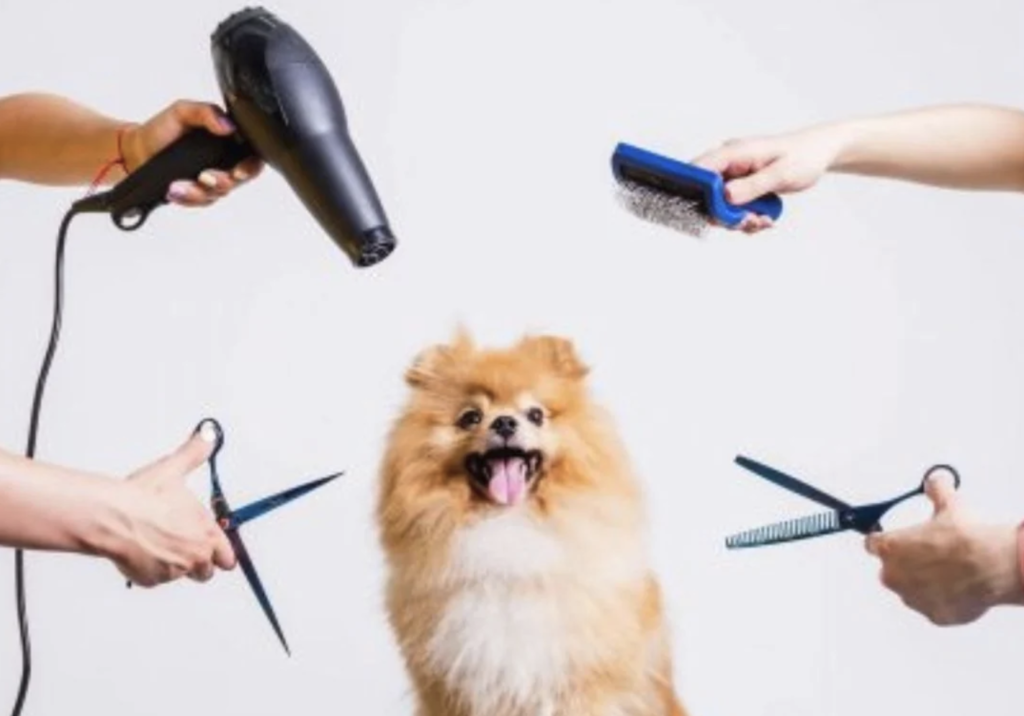
Home grooming covers most routine maintenance well, but certain situations still benefit from a professional’s tools and experience. Breeds requiring a specific cut, like many Poodle and Doodle mixes maintained in a specific style, are difficult to replicate at home without training and the right clipper guards. Severe matting, skin conditions requiring specialized handling, or a pet that becomes aggressive or highly stressed during grooming are all reasons to involve a professional rather than risk injury to the pet or frustration that damages trust between pet and owner.
Professional groomers also have access to industrial-grade dryers, sanitation equipment, and experience recognizing early signs of skin issues, lumps, or parasites that an untrained eye might miss during a routine home grooming session. A hybrid approach, handling regular brushing and bathing at home while scheduling occasional professional visits for a full cut or nail trim on a nervous pet, balances cost savings against the value a trained groomer brings for more complex needs.
Grooming Cats at Home
Cats generally handle much of their own grooming through self-cleaning, but they still benefit from owner support, especially long-haired breeds prone to matting and older cats who groom themselves less thoroughly due to reduced mobility or dental discomfort. A soft slicker brush or grooming glove works well for most cats, and short, calm sessions tend to go over better than a single long grooming attempt, since many cats have a limited tolerance window before becoming agitated.
Bathing is rarely needed for cats outside of specific situations, like a skin condition, exposure to something sticky or toxic, or a senior cat that has stopped grooming effectively on its own. Nail trims remain useful even for indoor cats that scratch on posts, since natural wear alone doesn’t always keep nails at a comfortable length, and overgrown nails can curl and grow into the paw pad in severe, neglected cases.
- Grooming gloves: A gentler introduction to brushing for cats resistant to a traditional brush, doubling as a bonding activity.
- Short sessions: Cats tolerate brief, frequent grooming sessions better than one long attempt at full coat maintenance.
- Occasional bathing: Rarely needed except for specific medical situations, sticky substances, or senior cats grooming less effectively.
- Nail caps: A soft vinyl option some owners use to reduce scratching damage without declawing, requiring periodic reapplication.
Setting Up a Space That Reduces Stress
The physical setup for a grooming session affects how well a pet tolerates the process as much as the tools and technique used. A non-slip mat or towel on the grooming surface, whether a bathroom counter, a table, or the floor, gives a pet secure footing and reduces the anxiety that comes from feeling unstable during brushing or nail trims. Keeping sessions in a familiar, quiet space rather than introducing a new environment alongside a new grooming routine avoids stacking multiple stressors on the pet at once.
Timing matters too. Grooming after a walk or play session, when a pet is a bit tired and calmer, tends to go more smoothly than attempting it when the pet is full of energy or right before a meal when hunger is a distraction. Keeping initial sessions short, even just a few minutes at first, and gradually extending the duration as the pet becomes more comfortable builds tolerance over weeks rather than forcing a full grooming routine on a pet that hasn’t been eased into it.
Estimating the Cost Savings Over Time
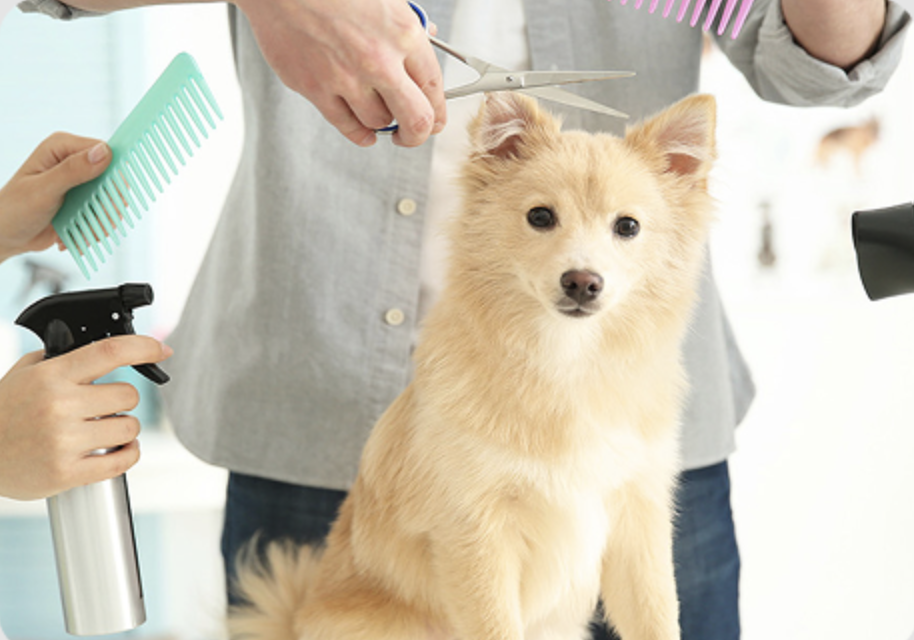
Running the numbers on home grooming versus professional visits helps put the time investment in perspective. A mid-sized dog needing a full groom every four to six weeks at a typical salon price can cost several hundred dollars a year, while a home setup with quality tools represents a one-time cost that pays for itself within just a few sessions, with only shampoo and occasional tool replacement as ongoing expenses afterward. Multi-pet households see even larger savings, since tool costs are shared across every pet in the home rather than paying a separate professional fee for each one.
The time cost is real too, and it’s worth being honest about whether a household has the patience and consistency to keep up with a grooming schedule rather than letting it slip, since inconsistent home grooming can lead to matting or overgrown nails that ultimately require a costlier professional visit to correct. For households that reliably stick to a routine, the savings compound substantially over a pet’s lifetime, while households that struggle with consistency may find a hybrid approach, or continued professional visits, more practical despite the higher recurring cost.
Final Thoughts
Home pet grooming, done with the right tools and a bit of patience, covers the bulk of what most pets need between professional visits, from routine brushing and bathing to nail trims and basic mat prevention.
Matching brushing frequency and tools to a pet’s specific coat type, using dog-formulated shampoo, and trimming nails in small, frequent increments reduce both cost and stress compared to relying entirely on professional appointments.
Severe matting, breed-specific cuts, and pets with heightened anxiety or aggression around grooming remain areas where a professional’s training adds real value.
Building a consistent home routine, with occasional professional visits for the more demanding tasks, keeps a pet comfortable and well maintained without an unnecessary recurring expense.
Read more about Techsipra
Frequently Asked Questions
How often should I trim my dog’s nails at home?
Most dogs need a nail trim every three to four weeks, though this varies with activity level, since dogs that walk frequently on pavement wear their nails down naturally between trims compared to dogs that spend more time on soft ground or indoors.
Is it safe to use human shampoo on a dog in a pinch?
It’s best avoided even occasionally, since human shampoo is formulated for a different skin pH than a dog’s skin and can cause dryness or irritation, especially with repeated use rather than a single emergency wash. Keeping a dog-specific shampoo on hand at all times removes the temptation to reach for a human product during an unplanned bath.
What should I do if I cut the quick while trimming nails?
Apply styptic powder directly to the tip of the nail and hold gentle pressure for a minute or two. The bleeding typically stops quickly, though it can look alarming, and staying calm helps keep the pet calm as well during the process.
How do I get my dog used to grooming tools if they’re anxious?
Introduce tools gradually, letting the pet sniff and investigate a clipper or brush while off, then turned on briefly nearby, pairing each step with treats and calm praise before attempting to use the tool directly on the coat or nails.
Can I shave my dog’s coat myself to reduce shedding?
Shaving certain double-coated breeds is generally discouraged, since the undercoat provides insulation against both heat and cold, and shaving can disrupt normal regrowth and remove natural sun protection the coat provides. Regular brushing to remove loose undercoat during shedding season addresses the same concern without the risks that come with shaving.
How do I know if a mat is too severe to handle at home?
If a mat is tight against the skin, covers a large area, or causes visible discomfort when touched, it’s safer to have a professional groomer remove it, since forcing it out at home risks injuring the skin underneath. When in doubt, a quick check-in call with a groomer or veterinarian before attempting removal can save both the pet and the owner unnecessary stress.