

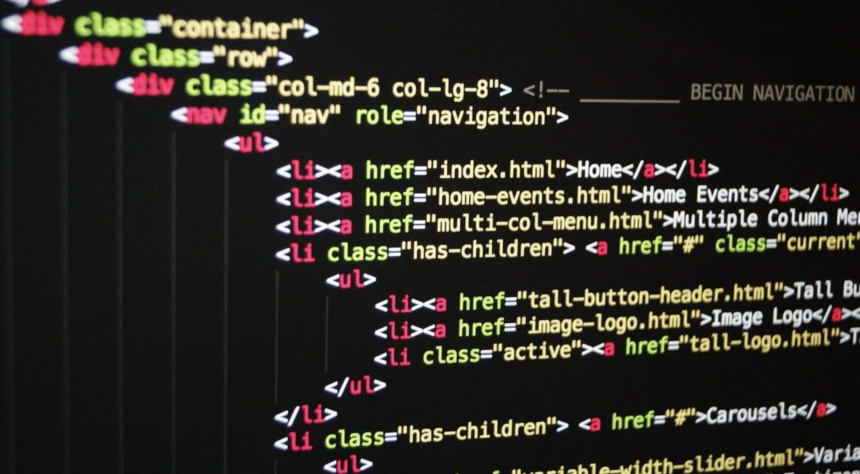
In today’s digital world, coding has become one of the most valuable and empowering skills anyone can learn. We believe that learning coding on our own is not only possible but also highly achievable with the right strategy, discipline, and learning resources. Many successful developers started as self-learners, relying on online platforms, practice projects, and community support.
Coding gives us the ability to build websites, develop applications, automate tasks, and create innovative solutions. Whether we want to pursue a career in technology or simply gain new skills, learning coding independently provides freedom and flexibility. In this guide, we will explore practical methods, learning strategies, and tools that help us master programming step by step.
Why Learning Coding on Your Own is a Smart Choice
Self learning coding offers several advantages that traditional education sometimes cannot provide. We can learn at our own pace, focus on specific technologies, and save money on expensive courses.
Flexibility of Learning Schedule
When we learn coding independently, we control our schedule. We can practice early in the morning, during lunch breaks, or at night. This flexibility helps us stay consistent without feeling pressured.
Access to Free High-Quality Resources
The internet provides countless free learning materials, including video tutorials, documentation, and interactive coding exercises. Many professional developers share knowledge openly, making learning accessible to everyone.
Building Practical Skills Faster
Self-learning encourages hands-on practice. Instead of focusing only on theory, we can immediately apply knowledge by building real projects.
Step 1: Choose the Right Programming Language
Selecting a first programming language is extremely important. We should choose based on our goals rather than popularity alone.
Best Programming Languages for Beginners
Python is widely recommended because of its simple syntax and strong community support. It is excellent for beginners interested in automation, data science, or artificial intelligence.
JavaScript is essential for web development. If we want to build interactive websites, JavaScript is a must-learn language.
HTML and CSS are not programming languages, but are essential for web design and structure.
How We Decide the Best Language
We should ask ourselves these questions:
-
Do we want to build websites?
-
Are we interested in mobile apps?
-
Do we want to work with data or machine learning?
Once we choose a path, we can focus our learning journey more effectively.
Step 2: Learn Programming Fundamentals First
Strong fundamentals are the foundation of successful coding learning. We should not rush into advanced topics.
Important Basics to Learn
-
Variables and Data Types
-
Conditional Statements
-
Loops
-
Functions
-
Arrays and Lists
-
Object Oriented Programming Basics
Understanding these concepts helps us write clean and efficient code.
Practice is More Important Than Watching Tutorials
We must write code daily. Reading tutorials alone will not make us skilled developers. Coding is like learning a musical instrument. Practice creates mastery.
Step 3: Use the Best Online Learning Platforms
Many platforms help us learn coding step by step.
Interactive Learning Websites
Platforms such as:
-
Codecademy
-
freeCodeCamp
-
W3Schools
These websites provide exercises that help reinforce knowledge.
Video Learning Resources
YouTube contains thousands of coding tutorials. We should follow structured playlists instead of random videos.
Step 4: Build Real Projects While Learning
Project building is one of the most powerful learning methods. We should start small and gradually increase complexity.
Beginner Project Ideas
-
Personal portfolio website
-
Simple calculator application
-
Blog website
-
To-do list application
These projects help us understand real-world coding challenges.
Why Projects Matter
Projects help us:
-
Improve problem solving skills
-
Build a professional portfolio
-
Demonstrate skills to employers
Employers usually prefer practical experience over theoretical knowledge.
Step 5: Learn Version Control Systems
Version control helps us manage code changes efficiently. We strongly recommend learning Git and GitHub.
With version control, we can:
-
Track code changes
-
Collaborate with developers
-
Store projects securely online
Developers around the world use GitHub to showcase their work.
Step 6: Understand Problem Solving and Algorithms
Coding is not just about writing syntax. It is about solving problems logically.
We should practice:
-
Basic algorithms
-
Data structures
-
Logical thinking exercises
Websites like LeetCode and HackerRank provide coding challenges.
Step 7: Join Coding Communities
Learning becomes easier when we connect with other developers.
Online communities help us:
-
Ask questions
-
Get feedback on projects
-
Stay motivated
Popular communities include programming forums, Reddit technology groups, and developer Discord servers.
Step 8: Build a Learning Schedule
Consistency is key to mastering coding.
Sample Daily Schedule
-
1 Hour Learning New Concepts
-
2 Hours Practice Coding
-
1 Hour Project Development
Even studying for a few hours daily can produce excellent results over time.
Step 9: Learn Advanced Skills Gradually
After mastering the basics, we can move toward advanced technologies.
Advanced Topics to Consider
-
Web frameworks like React or Django
-
Database management
-
Cloud computing
-
Mobile app development
We should avoid jumping directly to advanced topics without mastering fundamentals.
Step 10: Create a Portfolio and Start Applying Skills
A portfolio is essential for showcasing abilities.
We can create:
-
Personal websites
-
GitHub repositories
-
Project demonstrations
Building a solid portfolio opens more career doors and strengthens your professional reputation.
Common Mistakes Beginners Should Avoid
Learning Too Many Technologies at Once
We should focus on one path at a time.
Ignoring Practice
Watching tutorials without coding practice is ineffective.
Giving Up Too Early
Coding can be challenging initially. Persistence is necessary.
Best Tools for Self Learning Developers
We should use professional tools for better productivity:
-
Code editors like Visual Studio Code
-
Browser developer tools
-
Online debugging tools
These tools improve development efficiency.
How Long Does It Take to Learn Coding?
Learning speed depends on dedication. Some people learn the basics in a few months, while mastering professional development can take years of continuous practice.
The important factor is consistency rather than speed.
Career Opportunities After Learning Coding
Coding skills open many career paths, including:
-
Software development
-
Web development
-
Data analysis
-
Freelancing opportunities
Many companies actively search for skilled developers.
Motivation Tips for Self Learners
Staying motivated is essential.
We recommend:
-
Setting realistic goals
-
Tracking progress
-
Celebrating small achievements
Learning coding is a journey, not a race.
Conclusion: Start Coding Today
Learning coding on our own is achievable with proper planning, dedication, and practice. By selecting the right programming language, building real projects, and staying consistent, we can become skilled developers over time.
The technology industry continues to grow, and coding skills provide excellent career and business opportunities. The best time to start learning coding is today.