Cutting through the roar of a jet engine, the hum of an open office, or a neighbor’s construction project is the core promise of noise-cancelling headphones, but the technology varies more between models than a spec sheet suggests, and the right pair for a daily commute is not the same as the right pair for a home office or a long-haul flight.
This guide breaks down how active noise cancellation works in practice, what separates a good pair from an average one, and how to match features to the way you’ll use them day to day.
Active Noise Cancellation Explained
Active noise cancellation uses small microphones built into the earcups to sample ambient sound in real time, then generates an inverse sound wave that cancels out that noise before it reaches your ear. This is most effective against steady, low-frequency sounds like engine drone, HVAC hum, or road noise, since those sounds are consistent enough for the processor to predict and counter accurately.
Sudden or high-frequency sounds, like a dog barking or a person talking nearby, are harder for the technology to cancel and often pass through more noticeably than the steady background hum does.
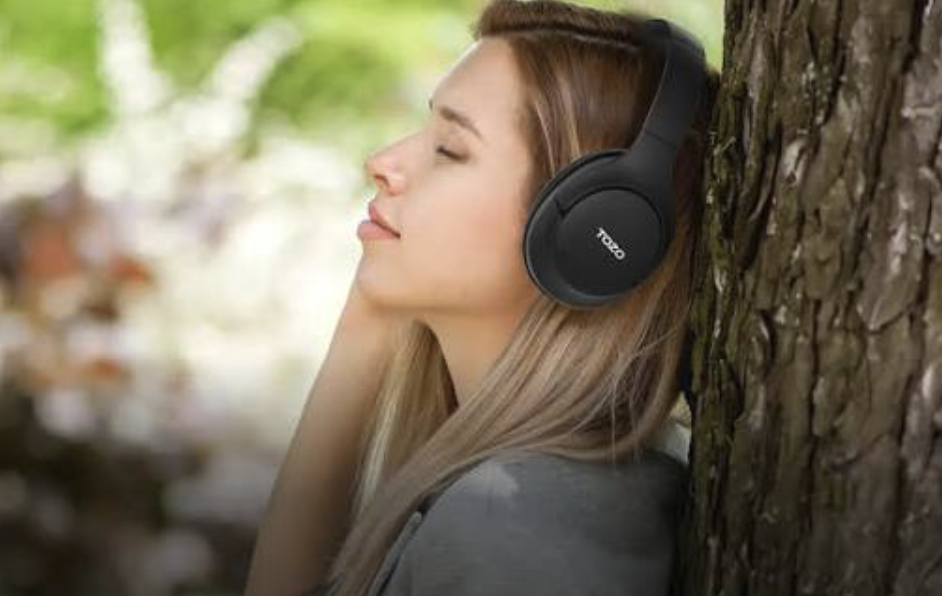
This is different from passive noise isolation, which relies purely on the physical seal of the earcup or eartip blocking sound mechanically, without any electronic processing involved. Over-ear headphones with a good physical seal already block a fair amount of sound before active cancellation even engages, which is part of why over-ear designs tend to outperform earbuds on pure noise reduction, even when both use similar cancellation technology.
- Feedforward microphones: Positioned on the outside of the earcup, sampling ambient noise before it reaches the ear.
- Feedback microphones: Positioned inside the earcup, refining the cancellation signal based on what’s reaching the eardrum.
- Hybrid systems: Combine both microphone types for more accurate cancellation across a wider range of frequencies.
- Passive isolation: The physical seal of the earcup or eartip, which blocks sound mechanically regardless of any electronics.
Over-Ear Versus In-Ear Designs
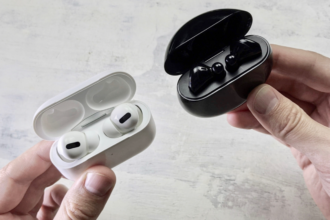
Over-ear headphones generally provide stronger noise cancellation and better sound quality due to the larger drivers and better physical seal around the entire ear, but they’re bulkier to carry and less discreet than in-ear options, which matters for someone who wants to wear them while walking around a city or exercising. In-ear models, including popular options like Apple’s AirPods Pro, Sony’s WF-1000XM5, and Bose’s QuietComfort Earbuds, have closed much of the noise cancellation gap in recent years, though a determined comparison against a flagship over-ear model from the same brand usually still favors the over-ear design on raw cancellation depth.
Comfort over long periods also differs by design. Over-ear headphones distribute clamping pressure across a wider area of the head, which some people find more comfortable for multi-hour flights, while in-ear models rely on ear tip seal and can cause fatigue or discomfort for people with sensitive ear canals during extended wear. Trying a pair in person, if possible, or checking a retailer’s return policy before buying online, helps avoid ending up with a design that doesn’t suit your ear shape or comfort preferences.
Sound Quality and Codec Support
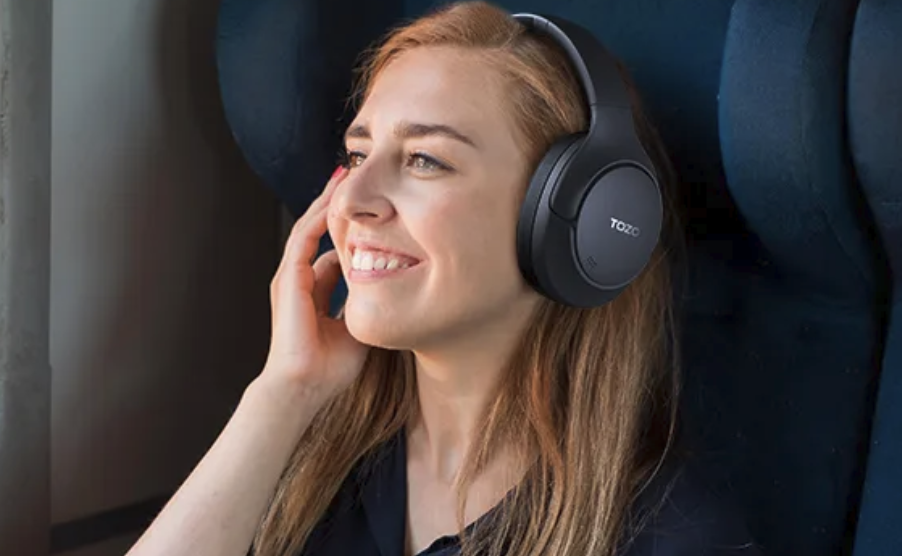
Noise cancellation is only part of the buying decision, since the real listening experience depends heavily on driver quality, tuning, and the wireless codec used to transmit audio from a phone or laptop. Standard Bluetooth codecs like SBC and AAC handle basic audio transmission adequately, but higher-quality codecs like aptX, aptX HD, and LDAC, when supported by both the headphones and the source device, allow for better audio fidelity at the cost of slightly higher battery consumption and, in some cases, marginally increased latency.
Sound signature preference is a matter, and it’s worth checking whether a manufacturer offers an equalizer in its companion app, since factory tuning that leans heavy on bass or bright on treble might not suit every listener’s taste. Reviews from independent audio publications that measure frequency response objectively are a more reliable source for comparing sound signatures across models than manufacturer marketing copy, which tends to describe every product as balanced and detailed regardless of its real tuning.
- Bluetooth codec: SBC and AAC cover basic playback, while aptX and LDAC improve fidelity when supported by your device.
- Driver size: Larger drivers in over-ear designs generally allow for deeper bass response and a fuller sound.
- Equalizer access: A companion app with adjustable EQ settings lets you tune the sound signature to personal preference.
- Frequency response: Independent lab measurements give a more reliable picture of tuning than a brand’s own marketing claims.
Battery Life and Charging Considerations
Battery life varies notably between over-ear and in-ear designs, with over-ear headphones typically offering twenty to thirty hours of playback with active noise cancellation engaged, while true wireless earbuds usually offer six to eight hours per charge before needing to return to a charging case. For long-haul travel, this difference matters, since a set of earbuds might need a mid-flight recharge from the case while over-ear headphones can often last through an entire international flight on a single charge.
Fast charging has become a standard feature across most price tiers, with many models offering several hours of playback from a five to ten minute charge, which helps when battery anxiety sets in before a long trip. Checking the charging case’s own battery capacity for true wireless earbuds is worth doing too, since a case that only holds one or two full charges limits how long you can go between finding an outlet compared to a case that holds three or four.
- Playback time: Over-ear headphones typically last twenty to thirty hours with active noise cancellation on; earbuds usually last six to eight hours per charge.
- Fast charging: Many models offer several hours of playback from a short five to ten minute charge when battery is low.
- Case capacity: For true wireless earbuds, the charging case’s total capacity determines how long you can go without an outlet.
- Cancellation drain: Running active noise cancellation reduces battery life compared to using the headphones passively without it.
Transparency Mode and Situational Awareness
Most premium noise-cancelling headphones now include a transparency or ambient mode that uses the same microphones to let outside sound through intentionally, which is useful for hearing an announcement, having a quick conversation, or staying aware of surroundings while walking or running.
The quality of this feature varies notably across brands, with some producing a natural-sounding pass-through and others introducing a noticeable digital or hollow quality to voices and ambient sound.
Some models also offer adaptive modes that automatically adjust the level of noise cancellation based on detected environment, dialing back cancellation when the headphones detect wind noise or a spike in ambient volume that suggests the wearer needs more awareness of their surroundings. This kind of automatic adjustment is a real convenience for commuters who move between quiet trains and busy street crossings within a single trip.
Matching Features to the Way You’ll Use Them
A frequent flyer prioritizes long battery life, strong low-frequency cancellation for engine drone, and comfort over many hours, which points toward a premium over-ear model. A commuter walking through a city benefits more from a strong transparency mode, a compact form factor, and quick charging, since safety and situational awareness matter as much as blocking noise entirely.
Someone working from a shared home office or open-plan workspace might prioritize microphone quality for calls and all-day comfort over maximum noise cancellation depth, since the goal is often reducing distraction rather than fully isolating from a loud environment.
Matching the headphones to the dominant use case, rather than buying the single best-reviewed model regardless of fit, tends to produce more day-to-day satisfaction than chasing the highest spec numbers on paper.
Microphone Quality for Calls and Video Meetings
Noise cancellation on the listening side gets most of the marketing attention, but microphone performance during calls is a separate feature that varies just as much between models. Beamforming microphone arrays, which use multiple microphones and signal processing to isolate a speaker’s voice from background noise, have become standard on premium models and make a real difference for anyone taking calls from a noisy kitchen, a coffee shop, or a shared living space. Budget models often use a single microphone with basic noise reduction, which tends to let more background chatter through to the person on the other end of the call.
Wind noise handling is another area where models differ, since a microphone array that performs well indoors can struggle outdoors on a windy street or during outdoor exercise. Checking independent reviews that specifically test call quality, rather than only music playback and noise cancellation, gives a better sense of how a pair will perform for someone who relies on their headphones for work calls as much as for listening to music or podcasts.
- Beamforming arrays: Multiple microphones working together to isolate a voice from surrounding background noise.
- Wind noise reduction: Software processing that filters out wind interference, though performance varies notably between brands.
- Sidetone: A feature that plays a bit of your own voice back to you during a call, preventing the unnatural feeling of talking into silence.
- Call routing: Seamless switching between two paired devices, useful for answering a phone call while working on a laptop.
Fit, Comfort, and Long-Term Durability
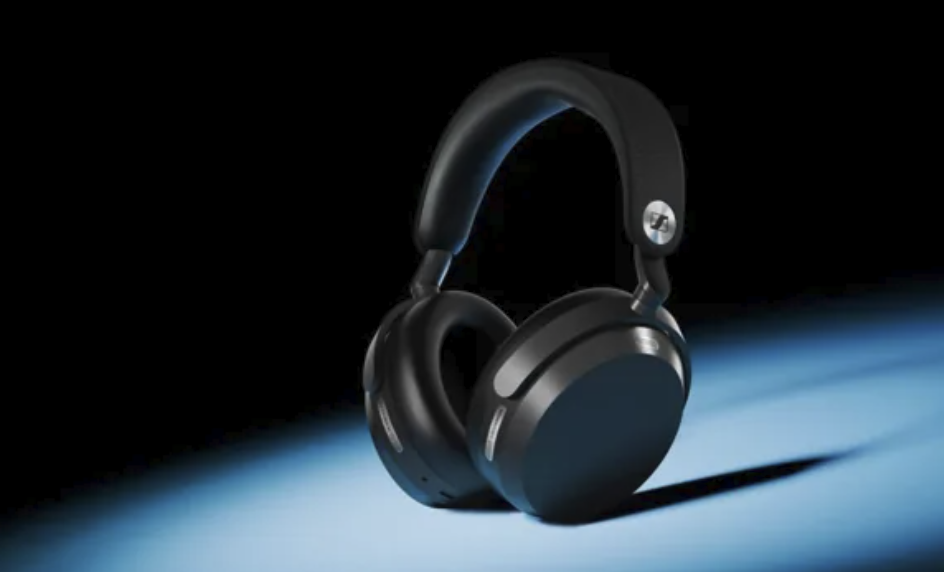
A pair of headphones that sounds excellent in a five-minute store demo can become uncomfortable after two or three hours of continuous wear, which is why clamping force, earcup padding, and headband design matter as much as audio specs for anyone planning to wear headphones for long stretches. Memory foam ear cushions tend to distribute pressure more evenly than firmer foam, and a headband with some give rather than a rigid frame reduces the pressure point that develops at the top of the head during extended sessions.
Build quality and warranty coverage are worth checking too, since hinges, cushions, and charging ports are the components most likely to wear out over a few years of daily use. Replaceable ear cushions, sold separately by most major manufacturers, can extend the useful life of an otherwise well-functioning pair once the original padding compresses or the material starts to peel, which is a common failure point after a year or two of regular use.
- Clamping force: Too tight causes discomfort over time; too loose reduces the passive seal needed for good noise isolation.
- Ear cushion material: Memory foam distributes pressure more evenly than firmer foam for long listening sessions.
- Replaceable parts: Ear cushions and, on some models, headbands can be purchased separately to extend the product’s useful life.
- Warranty coverage: Typically one to two years from the manufacturer, with some retailers offering extended protection plans.
Multi-Device Pairing and Everyday Convenience
Modern life rarely involves just one audio source, and many people switch between a laptop for work calls, a phone for music on a walk, and a tablet for watching a show in the evening, sometimes within the same hour. Multipoint Bluetooth pairing, which lets headphones stay connected to two devices at once and switch between them automatically, has become a standard feature on mid-range and premium models, saving the hassle of manually reconnecting each time you switch devices.
Companion apps have also become a real part of the ownership experience, offering firmware updates that improve noise cancellation algorithms over time, customizable button controls, and find-my-headphones location tracking in case a pair gets left behind. Checking whether a manufacturer has a track record of pushing real firmware updates after launch, rather than treating the app as an afterthought, can be a useful signal of how well a purchase will age over the following few years.
Where to Buy and How to Judge a Deal
Noise-cancelling headphones go on sale predictably around major shopping periods, and waiting for one of those windows can shave a notable amount off the list price for flagship models from brands like Sony, Bose, and Apple.
Buying from an authorized retailer rather than an unfamiliar third-party seller matters for warranty purposes, since a manufacturer’s warranty can be voided or complicated if the unit was purchased through an unauthorized channel, even if the price looked appealing at the time.
Refurbished units sold directly by the manufacturer are worth considering for budget-conscious buyers, since they typically come with a shorter but still valid warranty and have been tested for functionality, offering a middle ground between a full retail price and the uncertainty of a third-party used listing with no guarantee behind it.
Final Thoughts
Choosing noise-cancelling headphones comes down to matching the technology, form factor, and battery life to how and where you’ll wear them, rather than defaulting to whichever model tops a review site’s overall ranking.
Over-ear designs generally win on cancellation depth and comfort for long sessions, while in-ear models offer discretion and portability at a shrinking but still present performance cost. Battery life, transparency mode quality, and codec support round out the decision for anyone comparing models within a similar price range.
Testing a pair in person or buying from a retailer with an easy return policy remains the most reliable way to confirm fit and comfort before committing to a purchase.
Read more about Techsipra
Frequently Asked Questions
Do noise-cancelling headphones work well against human voices?
Not as effectively as against steady, low-frequency noise. Voices are irregular and higher in pitch, which makes them harder for active noise cancellation to predict and cancel compared to a consistent engine hum or HVAC drone.
Are over-ear headphones always better than earbuds for noise cancellation?
Generally, yes, due to the larger drivers, better physical seal, and more room for microphones and processing hardware, though top-tier earbuds have narrowed the gap enough that the difference is less pronounced than it once was.
Does active noise cancellation affect sound quality?
Some listeners notice a slight change in audio character with cancellation engaged, sometimes described as a subtle pressure or hiss, though flagship models have largely minimized this effect through better processing and microphone placement.
How long does the battery typically last on noise-cancelling headphones?
Over-ear models commonly last twenty to thirty hours with cancellation on, while true wireless earbuds typically last six to eight hours per charge before needing the charging case, which usually holds a few additional full charges.
Can I use noise-cancelling headphones without Bluetooth?
Many over-ear models include a wired connection option, useful for in-flight entertainment systems or devices without Bluetooth, and cancellation still functions over a wired connection as long as the headphones have battery power for the processing. This makes them a practical backup for long flights where the seatback entertainment system only offers a wired jack rather than a wireless connection.
Is it worth paying for premium noise-cancelling headphones over a budget pair?
For frequent travelers or people using headphones for hours daily, the difference in comfort, cancellation depth, and sound quality between premium and budget models tends to justify the price gap, while occasional or casual users may find a mid-range pair covers their needs well enough. Waiting for a seasonal sale on a flagship model is often a better path than settling for a lower tier just to save money upfront.