Receiving an unexpected phone call from someone claiming to represent a major technology company, warning about a serious problem with your computer, represents one of the more persistent and genuinely damaging scam tactics that continue affecting people across all age groups and technical experience levels. Understanding the specific warning signs that reliably identify these fraudulent calls provides genuine protection against a scam that has cost victims substantial money and personal information.
Why Tech Support Scams Have Remained Genuinely Persistent
Understanding why this particular scam tactic continues proving effective despite widespread awareness campaigns helps explain why ongoing vigilance genuinely remains important rather than assuming this threat has been adequately addressed.
- These scams specifically exploit genuine anxiety many people feel about technology problems they do not fully understand
- Scammers often target people who may be less technically confident, creating genuine vulnerability to this approach
- The scripts and tactics used continue evolving to sound increasingly convincing and current
- This combination of factors has allowed this scam category to remain persistently effective over many years
Common Ways These Scam Calls Actually Begin
Understanding the typical ways fraudulent tech support calls actually initiate contact helps you recognize this scam pattern from its earliest moments, before the caller has a chance to build false credibility.
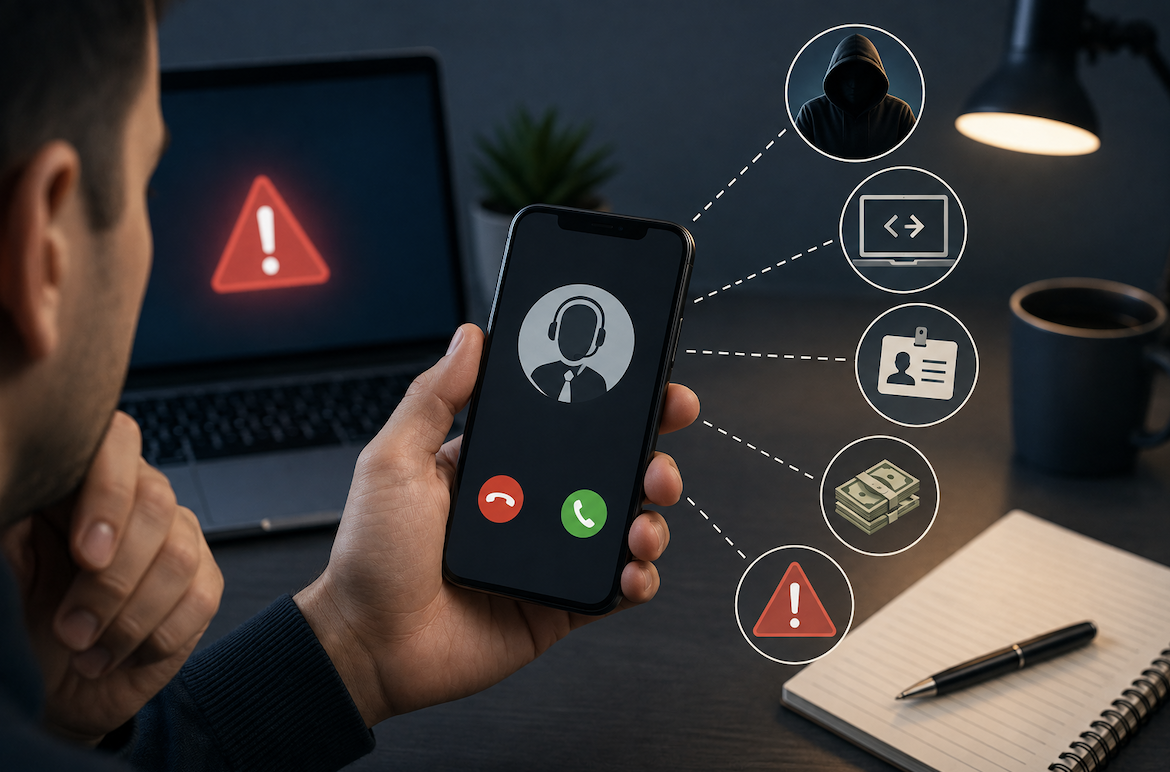
- An unsolicited call claiming to represent a major, well-known technology company
- Claims that your computer has been detected sending error messages or exhibiting suspicious activity
- Callers sometimes claim to be following up on a supposed previous report or ticket you never actually filed
- The call creates an immediate sense that a serious technical problem requires your urgent attention
This unsolicited nature deserves particular emphasis, since legitimate technology companies genuinely do not proactively call customers to inform them of detected computer problems, meaning any unexpected call along these lines should immediately raise genuine suspicion, regardless of how professional or convincing the caller initially sounds.
Why Scammers Create Urgency and Technical Confusion
Understanding the specific psychological tactics these scammers employ helps clarify why this approach proves genuinely effective even against people who might otherwise recognize more obvious scam attempts.
- Callers often use urgent, alarming language specifically designed to prevent careful, rational thinking
- Technical jargon gets deployed specifically to sound credible while genuinely confusing the listener
- Scammers frequently claim your personal information or finances are at immediate risk without their intervention
- This combination of urgency and confusion pressures victims toward quick action without proper verification
Common Requests These Scammers Typically Make
Understanding the specific actions these fraudulent callers typically request helps you recognize the genuine, practical goal behind the entire elaborate scam scenario they have constructed.
- Requesting remote access to your computer, supposedly to fix the claimed problem
- Asking you to purchase gift cards or make payments through unusual, hard-to-trace methods
- Requesting your personal or financial information under the guise of verification
- Directing you to download software that actually provides them unauthorized access to your device
Remote access requests deserve particular emphasis as perhaps the most genuinely dangerous request within this scam pattern, since granting a scammer remote access to your computer allows them to potentially install genuine malware, access sensitive files, or manipulate your system in ways that create real, lasting damage extending well beyond the immediate phone call interaction itself.
Why Legitimate Companies Do Not Operate This Way
Understanding how genuine technology company support actually operates helps clarify the specific ways these scam calls diverge from legitimate business practices.
- Legitimate companies generally do not make unsolicited calls about detected computer problems
- Genuine technical support typically requires you to initiate contact through official channels
- Legitimate companies do not request payment through gift cards or similarly untraceable methods
- Real technical support does not create artificial urgency, pressuring immediate action without verification
What to Actually Do If You Receive a Suspicious Call
Understanding the genuinely appropriate response if you receive a call matching these warning signs helps ensure you protect yourself effectively rather than becoming flustered by the caller’s pressure tactics.
- Hang up immediately without providing any personal information or following any instructions
- Do not call back any number the caller provided, since this connects you directly back to the scammer
- If genuinely concerned about your computer, contact the company directly through their official, verified website or number
- Report the scam call to relevant consumer protection authorities to help track and address this ongoing issue
What to Do If You Have Already Been Targeted by This Scam
- If you provided remote access, disconnect your computer from the internet and consult a trusted technical professional
- If you provided payment information, contact your bank or card provider immediately to address potential fraud
- Change passwords for any accounts that the scammer might have gained access to during the interaction
- Monitor your financial accounts closely for any unauthorized activity following the incident
Why Older Adults Deserve Particular Attention to This Threat
Understanding why tech support scams have historically targeted older adults with particular frequency helps clarify why family members and communities genuinely benefit from proactively discussing these warning signs together, rather than waiting until someone has already been targeted.
Older adults sometimes have less day-to-day familiarity with rapidly evolving technology, which can genuinely create more uncertainty about whether a specific claimed computer problem sounds plausible, making the scammer’s confident, authoritative tone more genuinely persuasive. Having open, judgment-free conversations within families about these specific tactics, ideally before anyone actually encounters a scam call, helps build genuine familiarity with these warning signs, making it considerably more likely that a family member will recognize and safely hang up on this type of call when it eventually occurs.
- Older adults have historically been targeted by these scams with particular frequency
- Less day-to-day technology familiarity can make fabricated computer problems sound more genuinely plausible
- Proactive, judgment-free family conversations about these tactics build important recognition before an actual call occurs
- This preparation genuinely increases the likelihood of safely recognizing and hanging up on this type of scam
Final Thoughts
Tech support scams rely on unsolicited contact, manufactured urgency, and technical confusion to manipulate victims into granting remote access or making payments for entirely fabricated computer problems.
Understanding these consistent warning signs, and knowing that legitimate technology companies simply do not operate through unsolicited, urgent phone calls, provides genuine, practical protection against a scam tactic that continues targeting people despite years of ongoing public awareness efforts.
Frequently Asked Questions
1. Can these scammers genuinely tell if my computer actually has a problem?
No, these scammers have no genuine ability to detect actual issues with your specific computer remotely before calling, and their claims about detected problems are entirely fabricated specifically to create the false urgency needed to manipulate you into cooperating.
2. Why do these scammers specifically request payment through gift cards?
Gift cards provide scammers with an untraceable form of payment that is genuinely difficult for victims or authorities to recover once redeemed, making this payment method particularly attractive to fraudsters compared to more traceable options like credit cards.
3. Is it safe to simply hang up on a suspicious tech support call without further engagement?
Yes, genuinely, hanging up immediately represents the safest response, since there is no need to engage further, ask questions, or attempt to verify the caller’s claims directly with them, given that legitimate companies simply do not operate this way.
4. Can these scam calls genuinely appear to come from a legitimate company’s actual phone number?
Yes, scammers can use a technique called caller ID spoofing to make a call appear to originate from a legitimate company’s number, meaning caller ID information alone should not be trusted as genuine proof of a call’s actual legitimacy.
5. Should I feel embarrassed if I fell for this type of scam?
No, these scams are specifically designed by people who have refined these manipulation tactics extensively, and falling victim reflects the scam’s sophistication rather than any genuine deficiency on your part, making it important to focus on addressing the situation rather than dwelling on unnecessary self-blame.