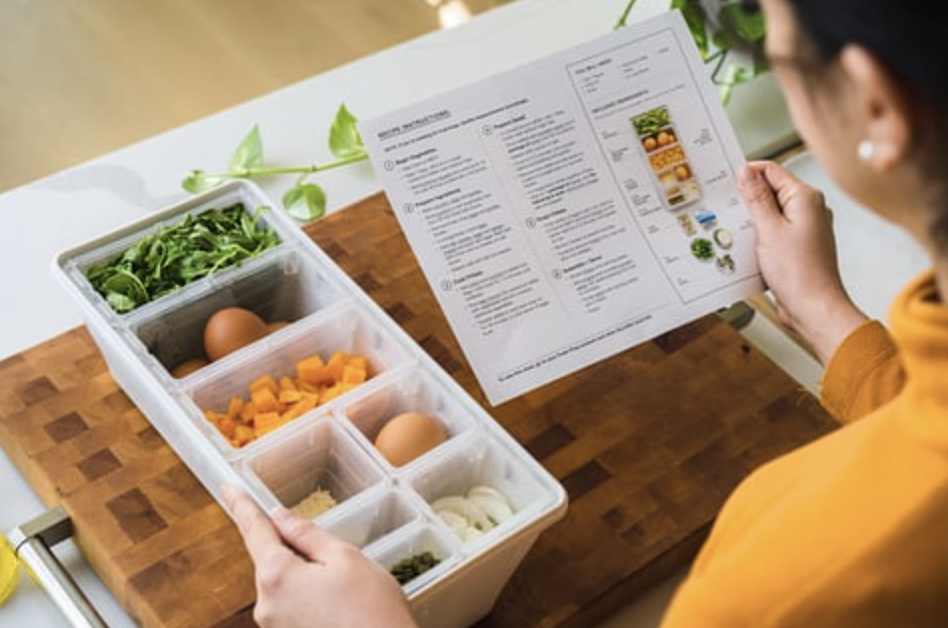
Opening a box of pre-portioned ingredients with a recipe card on top feels like a small solution to a daily problem: what to cook after a long day when the fridge is half empty, and the will to plan a meal is gone. Meal kit delivery services like HelloFresh, Blue Apron, Home Chef, and EveryPlate promise to remove the guesswork from dinner, but the real value of a subscription depends on how it stacks up against a grocery run on cost per serving, how much time it saves in practice, and how much packaging ends up in the recycling bin or the trash.
This guide walks through each of those trade-offs so you can decide whether a kit fits your household or whether your money is better spent elsewhere.
What a Typical Box Includes
A standard meal kit box arrives with pre-measured ingredients bundled by recipe, an insulated liner, ice packs to keep proteins cold in transit, and a set of printed or digital recipe cards. Most services let subscribers choose a set number of meals per week, often between two and six, and a serving size ranging from two to four people per meal. The recipes lean toward dishes that can be finished in thirty to forty-five minutes, which is part of the appeal for households trying to avoid takeout on weeknights.
Ingredient quality varies by provider and by the specific recipe, but most companies source proteins, produce, and pantry staples from established distributors rather than growing or raising anything themselves. Specialty items, like a specific sauce or an uncommon vegetable, are usually included in the exact quantity needed, which cuts down on the half-used jars that pile up in a pantry after a one-off recipe from a cookbook.
- Protein portions: Pre-measured chicken, beef, fish, or plant-based options sized for the recipe, reducing over-buying.
- Fresh produce: Vegetables and herbs are included in the amount needed, avoiding the wilted extras from a full grocery bag.
- Pantry add-ins: Small packets of spices, sauces, or oils that would otherwise sit unused after a single recipe.
- Recipe cards: Step-by-step instructions with photos, often rated by difficulty and cook time.
- Insulation materials: Liners and ice packs that keep perishable items at a safe temperature during shipping.
Cost Per Serving Compared to Grocery Shopping
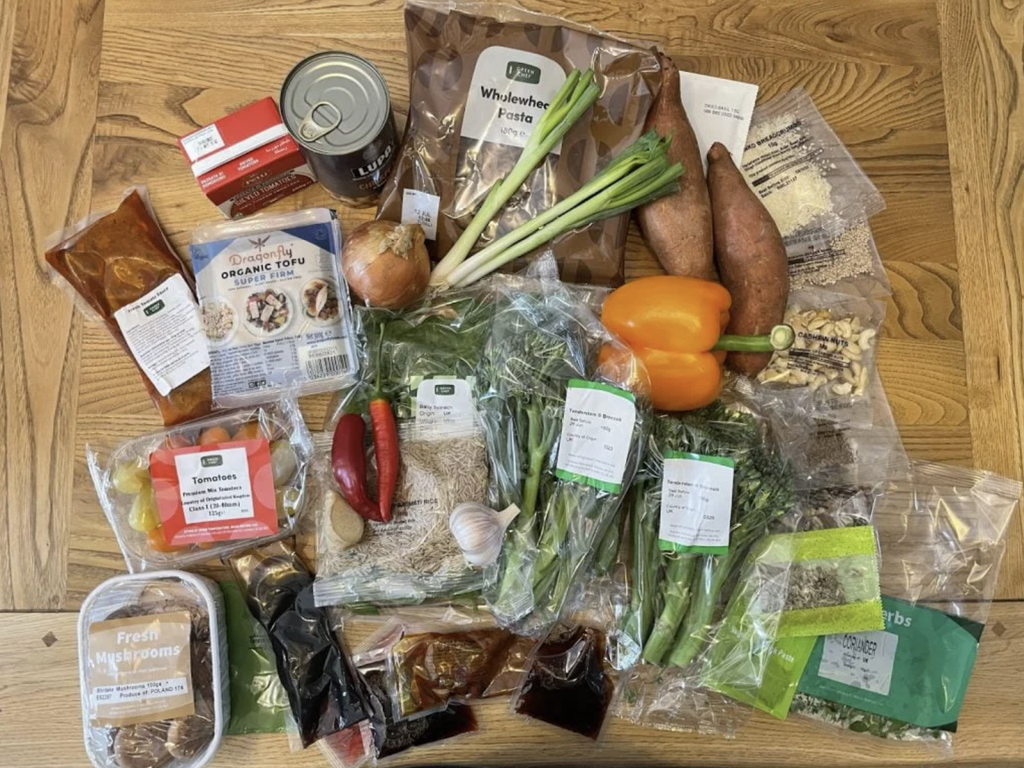
Meal kits are priced per serving, and that price typically sits above what the same ingredients would cost bought individually at a grocery store, sometimes by a wide margin. The premium covers curation, portioning, packaging, and delivery logistics, all of which carry a labor and shipping cost that a self-planned grocery trip avoids. Discount-oriented services like EveryPlate tend to price closer to grocery-store levels, while premium brands with chef-designed menus or specialty ingredients charge more per plate.
The comparison isn’t purely about price, though. A grocery trip that results in forgotten ingredients, an extra takeout order because nothing sounded appealing, or wasted produce that spoiled before it was used can erase the apparent savings of shopping in bulk. Households that reliably use every ingredient they buy and cook from a rotating set of recipes they already know tend to save money by shopping traditionally. Households that struggle with meal planning, waste a portion of what they buy, or order delivery multiple times a week may find that a meal kit, priced against their real behavior rather than a theoretical perfect grocery trip, comes out closer to even or even ahead.
Time Savings and Where They Show Up
The time saved by a meal kit comes less from the cooking itself, since most kits still require thirty to forty-five minutes of active prep, and more from the elimination of planning and shopping. Deciding what to cook, checking what’s already in the fridge, writing a list, and making a store trip can take as long as the cooking, especially for households that don’t keep a running rotation of go-to recipes.
For people who already meal plan efficiently, a kit may not save much time at all, since the shopping list step was already fast for them. For people who default to ordering food because they can’t decide what to make, the kit removes the decision entirely, and that alone can be worth the price premium in avoided delivery fees and impulse takeout orders.
- Decision fatigue: Kits remove the need to choose a recipe from scratch, which is often the slowest part of weeknight cooking.
- Shopping trips: A subscription eliminates a dedicated grocery run for that week’s dinners, freeing up time on a busy schedule.
- Prep work: Pre-chopped or pre-measured ingredients cut down on knife work compared to cooking fully from raw groceries.
- Cleanup: Recipes are designed around a limited number of pans and tools, often reducing dishwashing compared to a from-scratch meal.
The Packaging and Food Waste Question
Meal kits are frequently criticized for their packaging footprint, and the criticism has some basis: individually wrapped portions of garlic, single-use sauce packets, and layers of ice packs and liners generate more packaging waste per meal than a grocery trip where you buy a whole head of garlic or a full bottle of sauce. Some providers have responded by shifting to recyclable or curbside-compostable materials, and a few, including Blue Apron, publish sustainability reports detailing their packaging changes over time, though recycling rules for plastic liners vary widely by municipality.
On the other side of the ledger, meal kits can reduce food waste at the household level because portions are measured to the recipe rather than bought in bulk. A recipe that calls for half an onion no longer leaves the other half to go soft in the crisper drawer. Consumers weighing the environmental trade-off should look at both sides: packaging waste is more visible and immediate, while reduced food waste is a quieter but real offset that depends on how much food a household would otherwise throw away.
- Individual portioning: Reduces the leftover ingredients that often get thrown out after a single recipe.
- Recyclable liners: Some providers now use paper-based or curbside-recyclable insulation instead of foam.
- Ice pack disposal: Gel packs typically cannot go in curbside recycling and require a separate drop-off or mail-back program.
- Plastic wrapping: Individually sealed produce and proteins remain the largest packaging complaint across most providers.
Comparing the Major Providers Side by Side
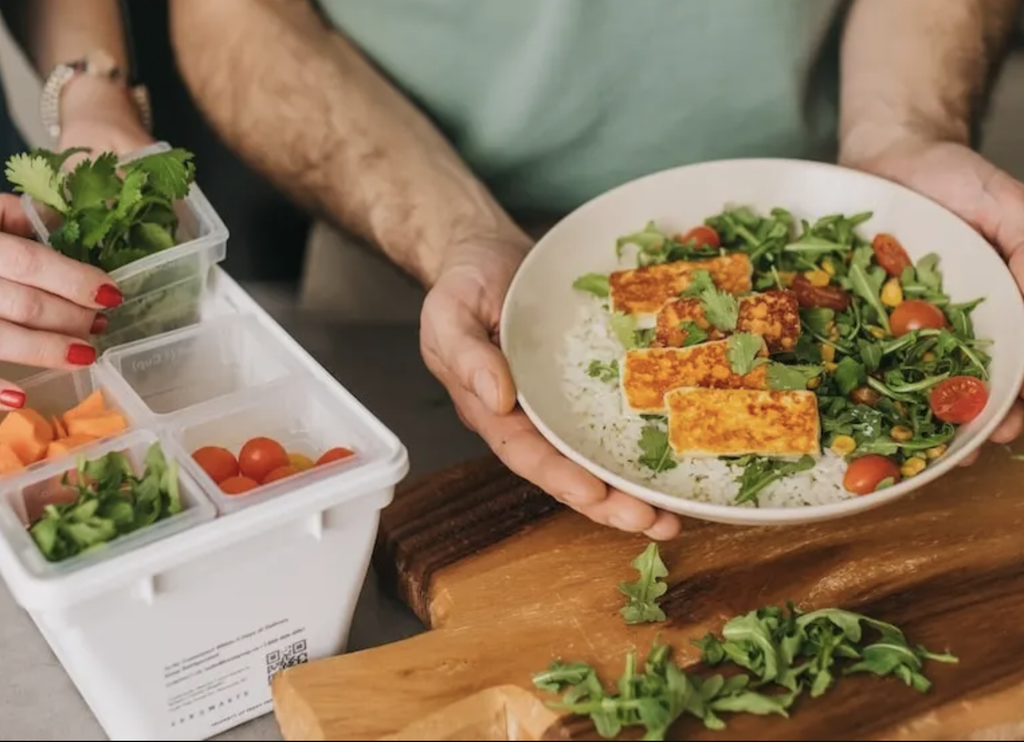
HelloFresh markets itself as the widest menu selection with dozens of weekly options, making it a common pick for households that want variety and don’t mind a mid-range price point. Blue Apron leans toward more involved, chef-style recipes with a stronger focus on technique, which appeals to home cooks who see the kit as a way to build skills rather than purely save time.
Home Chef offers more flexibility around swapping proteins within a recipe, letting subscribers customize a dish without switching to a different menu item entirely. EveryPlate, a budget-oriented brand under the same parent company as HelloFresh, strips down the packaging and recipe complexity to hit a lower price point, appealing to cost-conscious households willing to trade some variety and presentation for savings.
Choosing between these options often comes down to what a household values most: menu breadth, cooking skill-building, customization, or price. Reading a full week’s menu from two or three providers before subscribing, rather than judging from the homepage alone, gives a clearer sense of whether the available recipes match your household’s real eating habits.
Choosing a Provider Based on Household Needs
Not every meal kit fits every household. Families with children often look for providers with a dedicated kid-friendly menu track, since standard adult-oriented recipes can be too spicy, too adventurous, or too slow to prepare on a weeknight with hungry kids at the table. Households managing dietary restrictions, whether vegetarian, low-carb, or gluten-conscious, should check how many weekly options fit their needs before subscribing, since a service with only one or two compatible recipes per week limits the value of the subscription regardless of price.
Delivery frequency and skip-week flexibility also matter in practice. A household that travels often or eats out on unpredictable days benefits from a service that makes it painless to skip a week without penalty, while a household with a stable weekly routine may prefer a service that rewards a longer subscription commitment with a lower per-serving price.
Reducing Waste While Using a Subscription
Households that want the convenience of a meal kit without maximizing its downsides have a few practical levers available. Choosing recipes that share overlapping ingredients across the week reduces the number of small packets and half-used items in a single delivery. Checking with the local waste hauler about which packaging materials are accepted in curbside recycling, versus which need a separate drop-off, prevents recyclable materials from ending up in a landfill by mistake.
Some subscribers also batch their ice packs and liners for a scheduled drop-off at a specialty recycling location instead of tossing them out weekly, since gel ice packs in specific are rarely accepted in standard curbside bins. Pairing a meal kit with a smaller, more frequent grocery run for staples like coffee, snacks, and breakfast items can also keep the overall grocery bill lower than relying on the kit alone for every meal.
Subscription Fees and Hidden Costs to Watch
Beyond the per-serving price listed on a provider’s homepage, several add-on costs can change the real monthly total. Shipping fees are sometimes waived for larger orders but charged as a flat rate on smaller boxes, which matters for a two-person household ordering fewer meals per week. Premium recipes, often featuring steak, seafood, or a specialty protein, typically carry a surcharge above the base per-serving price, and it’s easy to build a weekly order that looks like the advertised price on the landing page but costs noticeably more once two or three premium options are added.
Introductory pricing is another area worth reading carefully. Many providers advertise a steep discount for a first box, sometimes cutting the per-serving price by half or more, only to raise the price back to standard rates starting with the second delivery. Comparing the ongoing weekly cost, not the first-box promotional price, against a grocery budget gives a more honest picture of what the subscription will cost in practice over a month or a year. Add-ons like desserts, breakfast items, or a wine pairing subscription can also quietly increase the total charge if added to a recurring order without a second look.
- Shipping surcharges: Smaller orders may carry a flat delivery fee that larger orders avoid.
- Premium recipe upcharges: Meals featuring steak, seafood, or specialty proteins often cost more per serving than standard options.
- Introductory pricing: First-box discounts are temporary and don’t reflect the ongoing weekly cost of the subscription.
- Add-on subscriptions: Desserts, breakfasts, and extras can be bundled into a recurring order and easily overlooked.
Evaluating Long-Term Value for Your Household
The real test of a meal kit subscription is whether it holds up after the novelty of the first few boxes wears off. Some households find that the recipe variety keeps them engaged well past the first month, discovering cooking techniques or ingredient combinations they wouldn’t have tried on their own. Others find the recipes start to repeat or the effort of cooking, even with pre-portioned ingredients, becomes just as tiring as planning meals from scratch once the initial convenience factor fades.
Tracking real usage over a trial period of four to six weeks is a practical way to measure fit. Households that consistently cook every meal in the box, finish the ingredients before they spoil, and look forward to the delivery are getting real value from the service. Households that let boxes pile up, skip recipes, or find themselves ordering takeout on top of an unused kit are likely paying for a service that isn’t matching their real routine, regardless of how appealing the concept sounded when they first signed up.
Final Thoughts
Meal kit delivery sits in a middle zone between full home cooking and ordering out, and its value depends on what it replaces in your routine. For households that struggle with planning or lean on takeout, the price premium over grocery shopping is often justified by the time saved and the reduction in impulse food orders.
For households that already shop and cook efficiently, the same money may go further at the grocery store. Packaging waste remains a real trade-off, though choosing providers with recyclable materials and being deliberate about disposal can soften that impact. Trying a short trial period before committing to a long subscription is the most reliable way to see how a specific service fits your household’s real habits rather than its marketing promises.
Frequently Asked Questions
Are meal kits cheaper than eating out?
In most cases, yes. Meal kits are priced above a typical grocery trip but well below the cost of restaurant delivery or takeout for the same number of meals, making them a middle-ground option for households trying to cut down on ordering food. For a household that previously ordered delivery three or four nights a week, replacing even half of those orders with meal kit dinners can lower the monthly food budget noticeably, even though the per-meal price is higher than home cooking from scratch.
Can I pause or skip a week without canceling?
Most providers, including HelloFresh and Home Chef, allow subscribers to skip a delivery week through their account settings ahead of a set cutoff day, without needing to cancel the subscription entirely.
Do meal kits work for someone cooking for one?
Some providers offer two-serving plans that can be split into two meals for a single person, though the per-serving cost tends to be higher at smaller order sizes since fixed packaging and shipping costs are spread across fewer portions. Freezing half a portion, when the recipe allows it, is a common workaround that lets a single person stretch a two-serving box across two separate dinners without doubling the weekly grocery bill.
What happens if an ingredient arrives damaged or missing?
Every major provider has a customer support process for reporting a missing or damaged ingredient, typically resulting in a credit toward a future order rather than a replacement shipment, since the box has already been delivered by the time the issue is noticed. Reporting the issue within a day or two of delivery, through the app or website rather than by phone, tends to get the fastest resolution.
Are meal kit ingredients organic or high quality?
Quality and sourcing standards vary by provider and by specific ingredient. Some services highlight sourcing partnerships or organic options as a premium tier, while budget-oriented brands prioritize lower prices over sourcing claims.
How much of the packaging can be recycled in practice?
This depends heavily on your local municipality’s rules. Cardboard boxes and paper liners are widely recyclable, but plastic wrap, ice packs, and some insulation materials often require a separate mail-back program or specialty drop-off rather than standard curbside recycling. Checking your city or county waste management website for a current list of accepted materials is worth doing once, since the rules rarely change and the answer applies to every future delivery.