
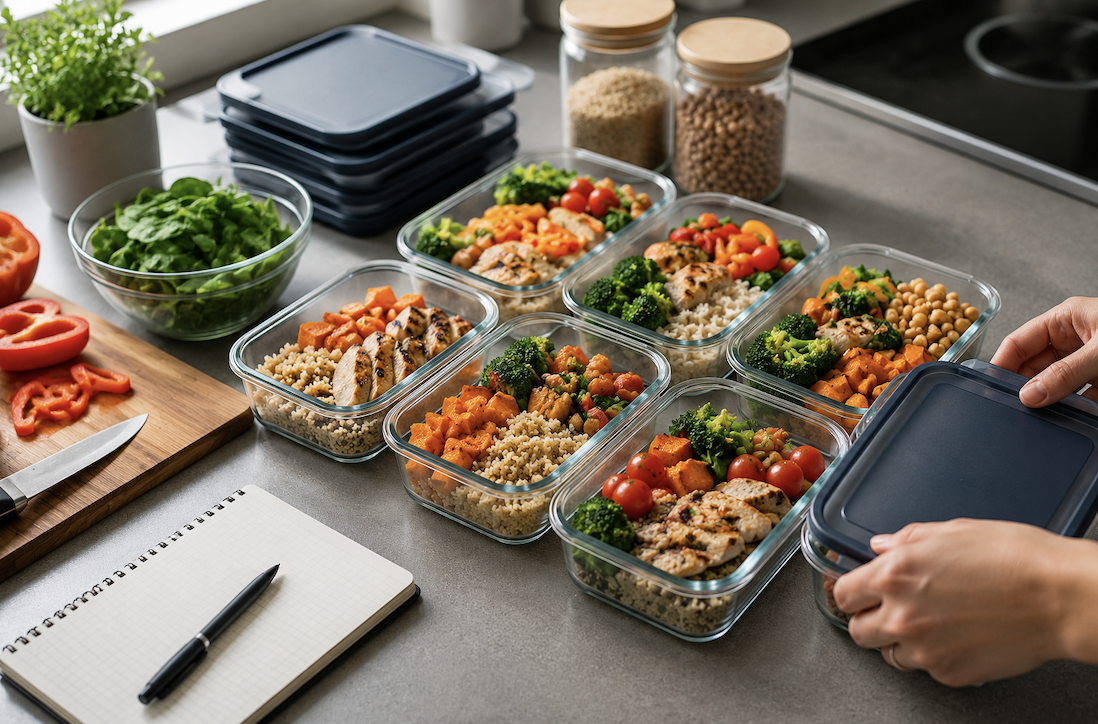
Coming home exhausted after a long day and facing the genuine decision between cooking a proper meal or ordering takeout again is a familiar struggle for many people trying to eat healthier while managing busy schedules. Meal prepping addresses this exact tension by shifting the time-consuming work of cooking to a dedicated block of time, leaving quick, ready-to-eat meals available throughout a busy week. This article explains what meal prepping actually involves and how to start doing it effectively without becoming overwhelmed.
What Meal Prepping Actually Means
Meal prepping refers to the practice of preparing meals or meal components in advance, typically during a dedicated block of time once or twice a week, rather than cooking each individual meal fresh at the moment you plan to eat it. This can range from fully assembling complete meals ready to simply reheat, to preparing individual components, like chopped vegetables or cooked proteins, that get combined into different meals throughout the week.
The core appeal comes down to genuinely practical time management. Cooking one larger batch of food during a dedicated prep session is considerably more time-efficient than cooking separate meals from scratch every single day, while also reducing the daily decision fatigue and temptation toward less healthy convenience options when you are tired or short on time.
The Different Approaches to Meal Prepping
Not everyone approaches meal prepping the same way, and understanding the different genuine styles helps you choose an approach that actually fits your specific lifestyle and cooking preferences, rather than forcing yourself into one rigid method that may not suit you.
- Full meal prep involves cooking and assembling complete, ready-to-eat meals stored in individual containers
- Component prep involves preparing individual ingredients, like proteins, grains, and vegetables, separately to combine later
- Batch cooking involves making one large quantity of a single dish that gets portioned across multiple meals
- Ingredient prep involves simply washing, chopping, or portioning ingredients to speed up cooking later in the week
Full meal prep offers the most convenience, since meals are entirely ready to eat, but it can feel repetitive if you are eating the exact same meal multiple days in a row. Component prep offers more variety throughout the week, since you can combine prepared ingredients differently each day, though it requires slightly more active cooking time at each individual meal.
How to Actually Start Meal Prepping Without Getting Overwhelmed
Many people who attempt meal prepping for the first time try to do too much immediately, preparing an entire week’s worth of complex meals right away, which often leads to burnout and abandoning the practice entirely after just a week or two. A more sustainable approach involves starting considerably smaller and gradually building the habit.
- Start by prepping just two or three meals for the week rather than attempting to cover every single meal
- Choose simple, familiar recipes for your first few attempts rather than complicated, unfamiliar dishes
- Focus on prepping components you already regularly cook rather than learning entirely new recipes simultaneously
- Gradually expand the scope of your meal prepping as the basic habit genuinely becomes comfortable and sustainable
Choosing a Dedicated Prep Time That Actually Fits Your Schedule
Most people who successfully maintain a meal prepping habit choose one consistent, dedicated block of time each week, often a few hours on a weekend day, specifically set aside for shopping, cooking, and portioning meals for the days ahead.
- Choose a specific day and time slot that consistently works with your regular weekly schedule
- Plan your grocery shopping specifically around your chosen meal prep session
- Block out enough time realistically, since meal prepping often takes longer than expected initially
- Treat this time block as a genuine appointment rather than something easily skipped when other things come up
Practical Tips for Food Storage and Safety
Proper food storage matters considerably for meal prepping specifically, since prepared meals typically need to stay fresh and safe to eat for several days after initial preparation, which requires some genuine attention to storage practices.
- Use quality, airtight containers specifically designed for food storage to maintain freshness
- Cool prepared food properly before sealing and refrigerating to reduce bacterial growth risk
- Generally plan to consume refrigerated prepped meals within three to four days for food safety
- Consider freezing portions you do not plan to eat within this window rather than letting food spoil
- Label containers with preparation dates to help track freshness accurately throughout the week
Choosing Recipes That Actually Hold Up Well Over Several Days
Not every recipe translates well to meal prepping, and choosing dishes that genuinely maintain good texture and flavor after several days of refrigerated storage makes a meaningful difference in how enjoyable your prepped meals actually remain throughout the week.
- Grain bowls and sturdy vegetables generally hold up considerably better than delicate greens
- Sauces and dressings are often better stored separately and added just before eating
- Proteins like roasted chicken, beans, and hard-boiled eggs generally reheat and store well
- Dishes that are naturally served at room temperature or cold sometimes work better than those requiring careful reheating
Common Meal Prepping Mistakes Worth Avoiding
- Prepping too much variety at once, leading to unused ingredients and unnecessary food waste
- Choosing overly ambitious, complicated recipes for your very first attempts at meal prepping
- Not accounting for realistic prep time, leading to a rushed, frustrating first experience
- Neglecting proper food storage practices, resulting in meals that spoil before you can eat them
- Prepping meals you do not genuinely enjoy eating, simply because they seemed practical on paper
Budget Considerations That Make Meal Prepping Genuinely Cost Effective
Beyond the time-saving benefits, meal prepping often provides genuine financial advantages worth considering, particularly for anyone who frequently relies on takeout or delivery when tired or short on time after a long day. Buying ingredients in bulk for a dedicated prep session is typically considerably less expensive per meal than purchasing individual takeout meals throughout the week.
This cost benefit compounds further when you consider food waste reduction, since planning specific meals in advance generally means purchasing exactly what you need rather than buying groceries somewhat impulsively and later discovering ingredients have spoiled before you got around to using them. Many people who track their actual grocery and dining spending before and after adopting a consistent meal prepping habit find the financial difference to be genuinely meaningful over the course of a month.
- Bulk ingredient purchases for meal prepping are typically less expensive per meal than takeout or delivery
- Planning meals in advance generally reduces food waste from unused, forgotten ingredients
- The financial benefit compounds over weeks and months of consistent meal prepping practice
- Tracking actual spending before and after adopting this habit often reveals a genuinely meaningful difference
Final Thoughts
Meal prepping offers a genuinely practical solution to the common struggle of maintaining consistent, healthier eating habits amid a busy schedule, by shifting cooking effort to a dedicated block of time rather than facing that decision fresh every single day. Starting small, choosing recipes that genuinely hold up well over several days, and gradually building the habit over time offers a considerably more sustainable path than attempting an ambitious, complicated approach right from the start.
Frequently Asked Questions
1. How much time does meal prepping typically save each week?
This varies by individual, but many people report saving several hours weekly compared to cooking every meal separately, along with genuinely reducing the mental burden of deciding what to cook on busy weeknights.
2. Is meal prepping only useful for people trying to lose weight or eat healthier?
No, while it is genuinely popular for health-focused eating, meal prepping benefits anyone wanting to save time, reduce daily cooking stress, or simply eat more consistently home-cooked meals regardless of specific dietary goals.
3. How long do meal prepped dishes actually stay fresh in the refrigerator?
Most prepared meals stay safely fresh for approximately three to four days when properly stored in airtight containers, though this can vary somewhat depending on the specific ingredients and how the food was initially cooked and cooled.
4. Can I meal prep if I only have a small amount of time available each week?
Yes, even prepping just one or two components, like a batch of cooked grains or chopped vegetables, provides genuine time savings during the week without requiring a large, multi-hour prep session.
5. Is it safe to freeze meal prepped food instead of refrigerating it?
Yes, freezing is a genuinely good option for meals you do not plan to eat within the typical three to four day refrigeration window, and many dishes freeze and reheat well with proper storage technique.